The Nairobi issue
Walking Karura Forest and Nairobi's Other Green Places
Gate hours, 2026 fees, ranger rules and the one path that shuts after rain: how Nairobi's forests and parks work when you plan a day around them.

By Lukas BrandtNairobi neighbourhood by neighbourhood, on foot and by matatu
Karura is 1,041 hectares of forest with six gates, and the city carries on immediately outside the fence. Nairobi's green side is a working forest reserve, an arboretum planted in 1907, a rehabilitated river park in the middle of the central business district and a boardwalk over wildlife enclosures, all inside the county boundary. The places themselves are easy. What visitors get wrong is the machinery around them: gate hours, ranger escorts, cashless payment, and which paths close after rain.
Karura Forest and the half day it needs
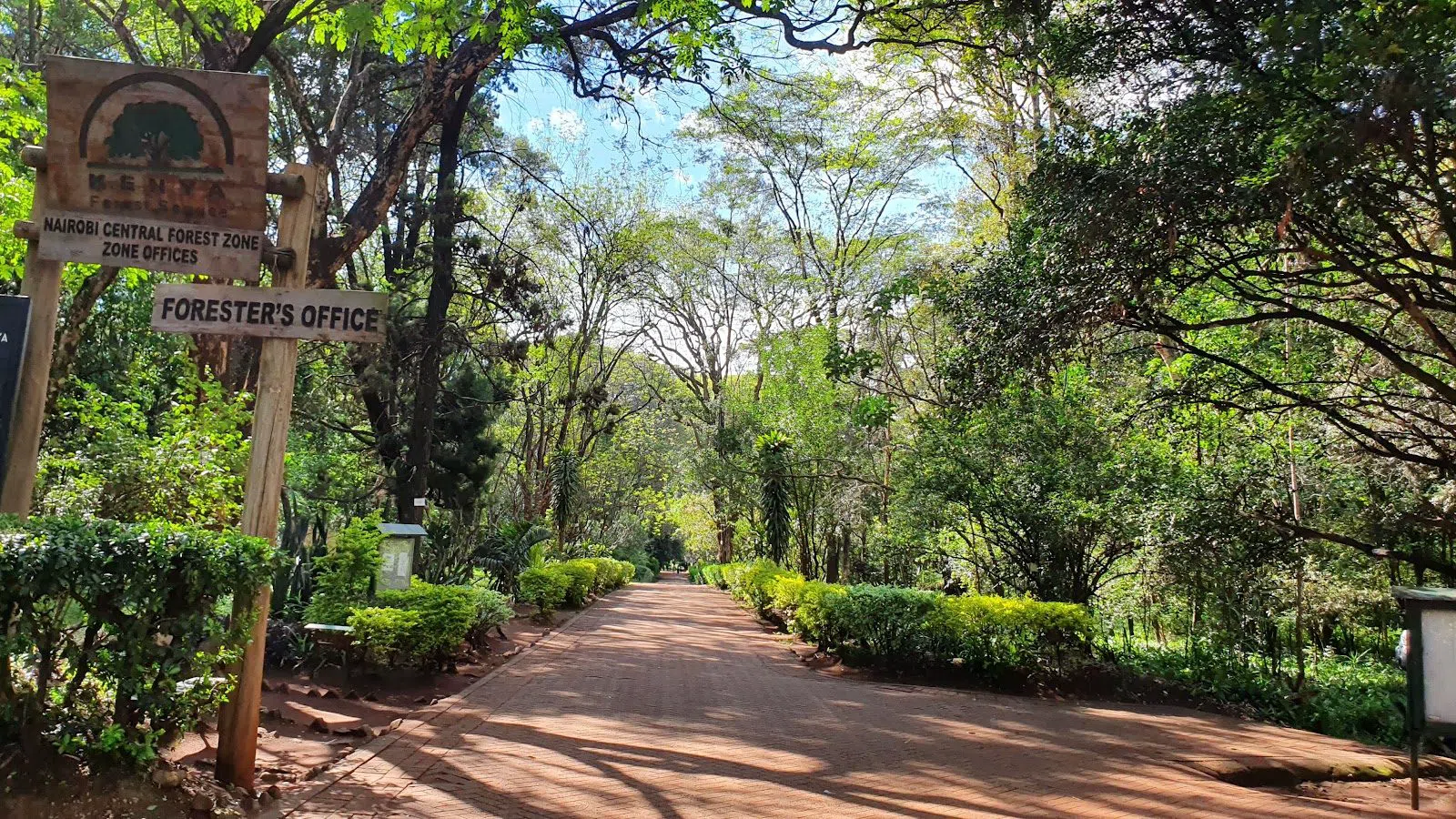
Karura Forest (Gigiri, off Limuru Road) is where most green-side plans start, and it is larger than people expect at 1,041 hectares, with six gates spread around its edge. The trail network is wide, graded and signposted well enough to walk or cycle without a guide, and it treats a solo walker, a family with a pushchair and a mountain biker as equally normal on the same track. Gates open at 6am, last entry is 5.30pm, and everything is locked at 7pm. The lock time is the one that catches people out, because it applies to your car as much as your legs.
Entry is KES 174 for citizens and East African residents, KES 850 for non-resident adults and KES 450 for non-resident children on the August 2025 rates, with annual passes from KES 3,480. The pass is worth the arithmetic if you are in town for a fortnight and expect to walk more than four times. Payment is cashless: eCitizen, M-Pesa or card. There is no cash desk at any gate and no amount of goodwill gets you past that, so sort out mobile money or carry a card that works before you set off.
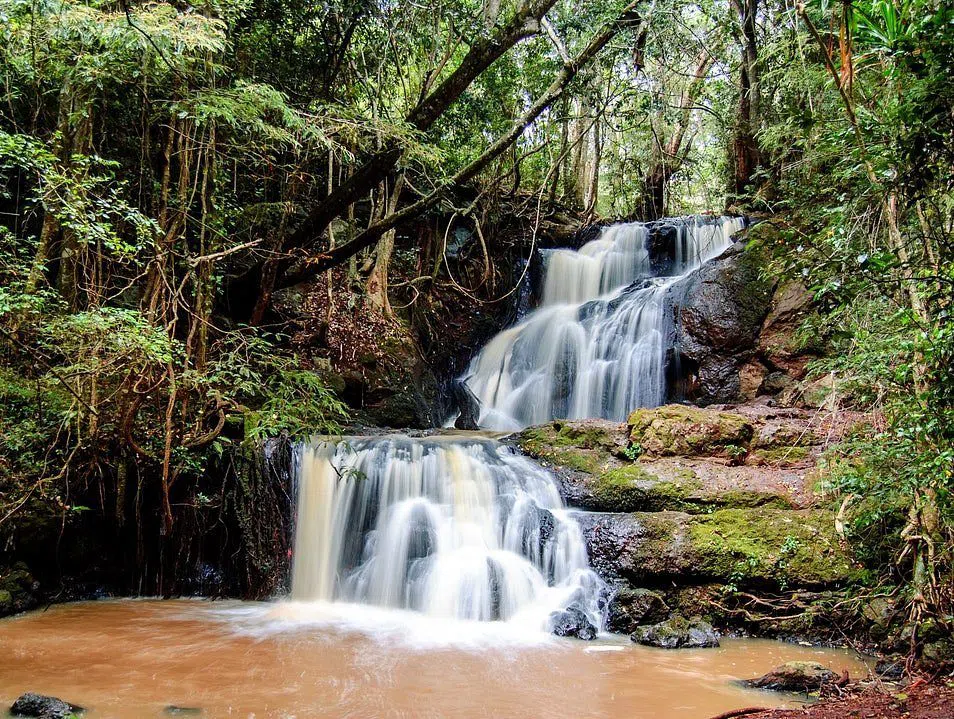
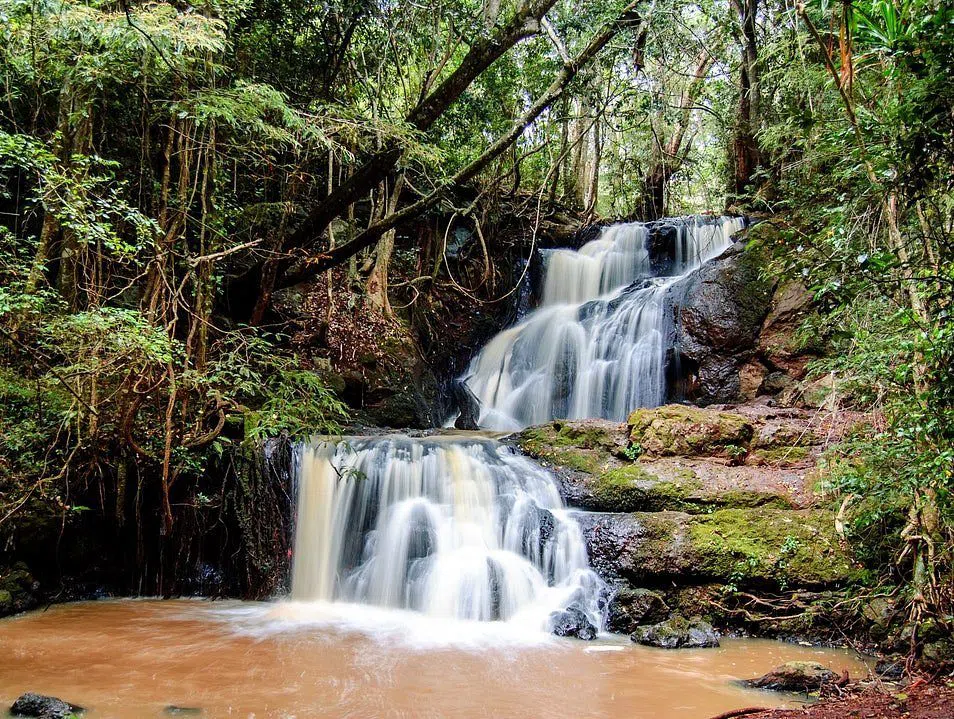
Do not promise anyone the waterfall in advance. After heavy rain the Kenya Forest Service closes the river paths, which takes the caves, the waterfall and the Ruaka picnic site all at once, as it did in March 2026. Closures are posted at the gate rather than announced a week ahead. During the rains, plan a loop through the higher plantation and ridge trails and treat the river section as a bonus if it is open. The forest is still worth the fee without it.
Groups are straightforward. The trails take a party of any size, guided eco-tours and picnic sites are bookable in advance through Friends of Karura, and anything organised (a corporate day, an event, filming) needs written permission rather than a quiet word at the barrier. The permission is administrative rather than difficult, but it is not same-day, so ask early.
What turns Karura from an hour into a half day is The River Café — Karura (inside the forest, reached from Gate A on Limuru Road). It is a full all-day restaurant with a garden rather than a kiosk, so the walk ends at a table instead of a car park. Mains run roughly KES 1,200 to 2,800, which sits mid to upper for the city, and forest entry is separate and paid at the gate. It takes groups readily and hosts private functions; at weekends book on +254 725 969891 instead of hoping. For the wider picture of where to base yourself, the Nairobi guide covers the rest of the city.
Plan your Nairobi trip
Live prices from our booking partners.
Free cancellation on many rooms. We may earn a commission when you book.
Parks you can reach on foot from the middle of town
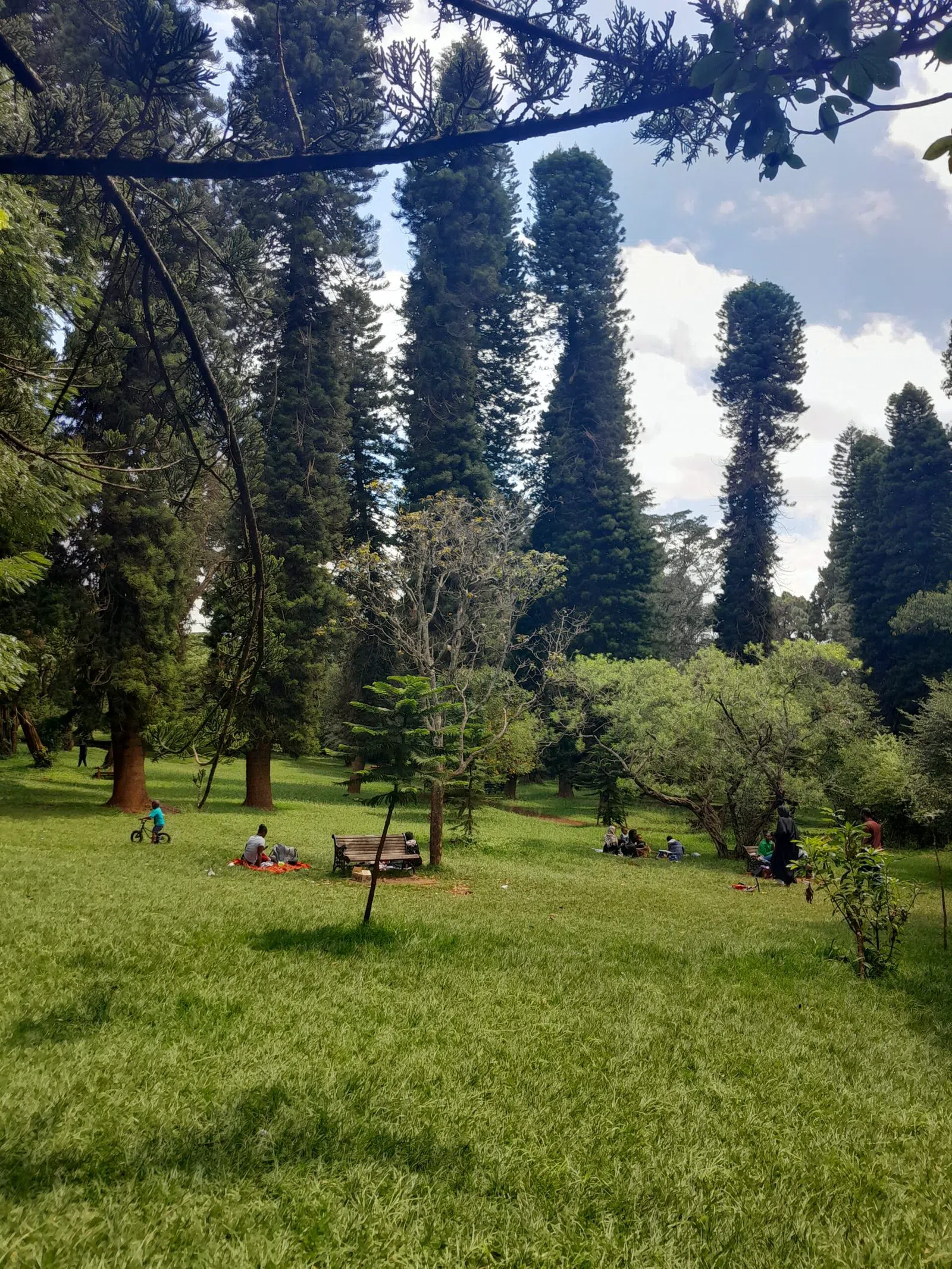
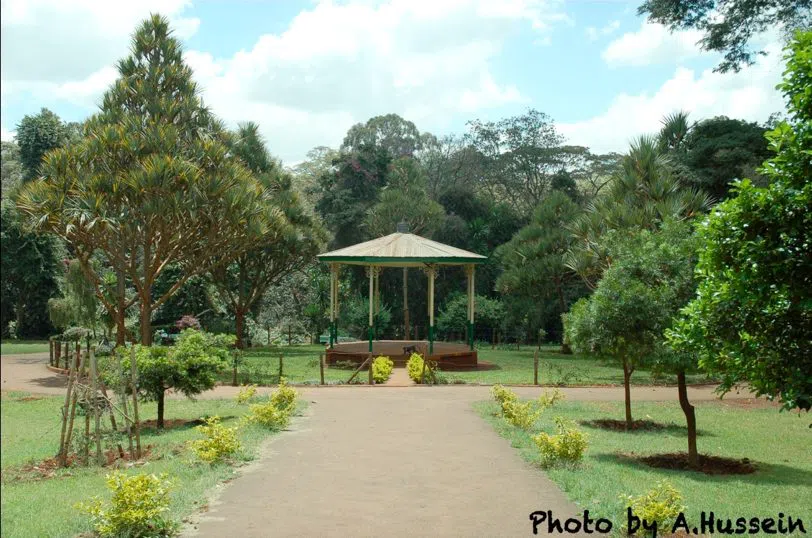
Nairobi Arboretum (walkable from Westlands and the national museum) was planted in 1907 and is still the easiest green hit in the city. Its advantage over Karura is length: it is short enough to slot between two meetings, so you are not committing a morning to it. Entry is KES 242 for citizens, KES 479 for residents and KES 716 for non-resident adults, VAT and the eCitizen fee included, with parking from KES 100 to KES 500. No cash here either: M-Pesa, Airtel, eCitizen or card. It is very group-friendly and heavily used for picnics; picnic permits run about KES 2,390, school and student visits are arranged with management, and full event hire is priced separately.
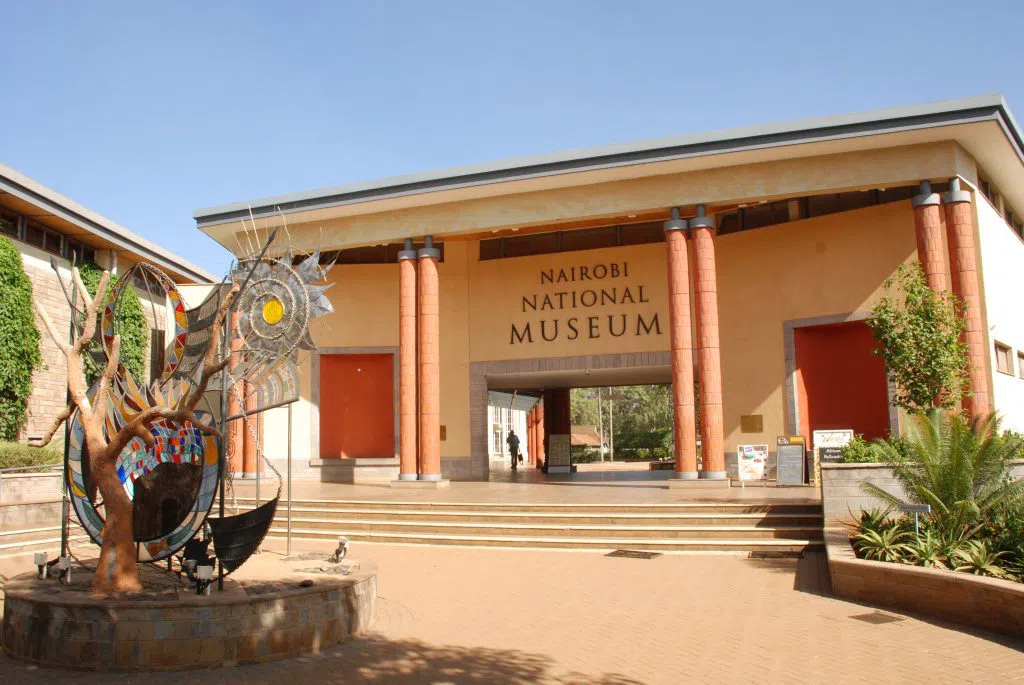
Nairobi Botanic Garden at the Nairobi National Museum (behind the museum) is the one green space in this article that also explains what you are looking at. Medicinal, rare and threatened Kenyan plants are laid out and labelled, and a short river trail runs off the back of the garden. The museum ticket covers both, roughly KES 200 to 300 for citizens and around KES 1,500 to 2,000 for non-resident adults, paid through eCitizen, and guided garden and trail walks are bookable at the ticket desk. It opens 8.30am to 5.30pm daily and handles groups and school parties as routine. Do it first if you want the names of the trees you will see everywhere else.
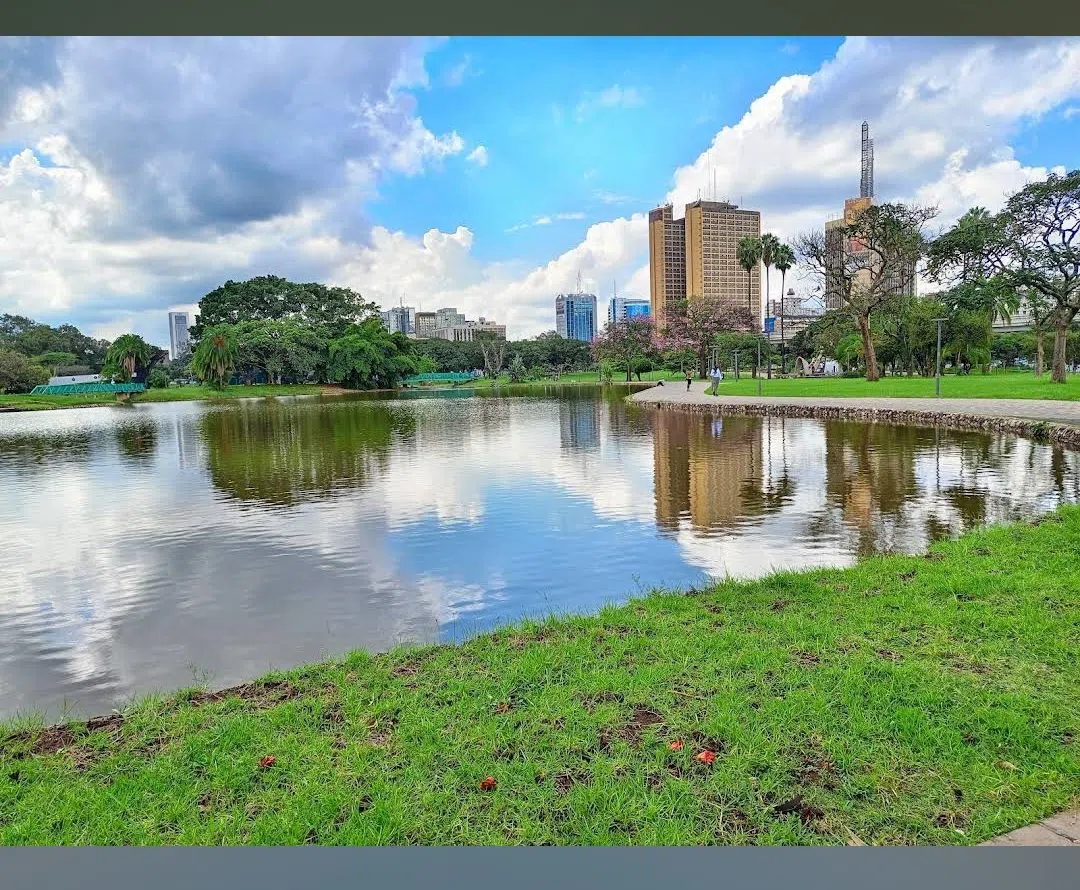
Uhuru Park (the western edge of the central business district) reopened in March 2024 after a full county refurbishment, and it is the postcard view of Nairobi's green side, the skyline standing over the water, five minutes from the office blocks. Entry is free and open to all, with no gate policy on group size; pedal boats and other hire activities carry small charges. Organised gatherings on the lawns need a permit, but a dozen friends walking through do not.
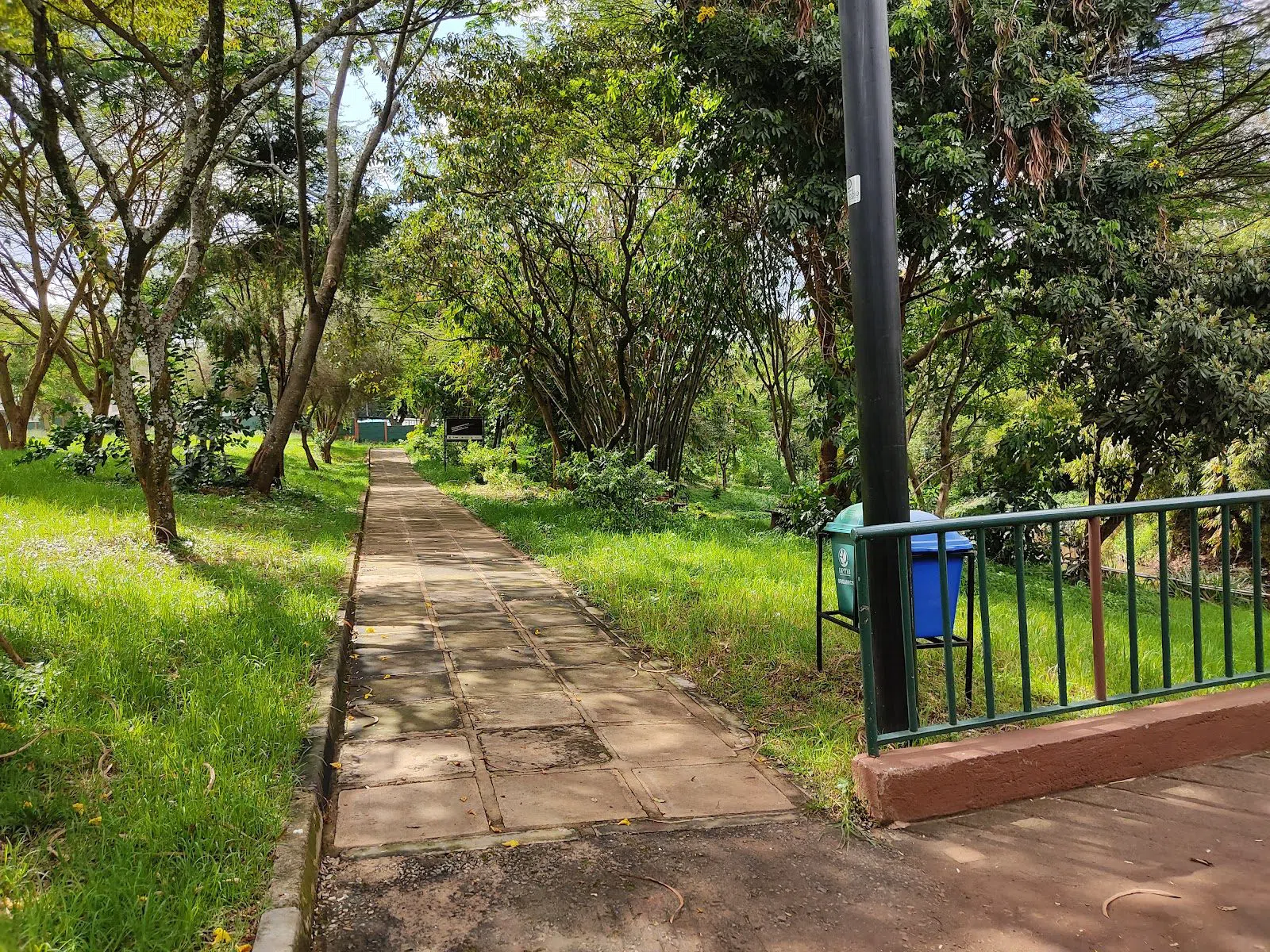
John Michuki Memorial Park (Kijabe Street, in the CBD) is the least likely green space in the city, a rehabilitated stretch of the Nairobi River running between Kijabe Street and the Globe roundabout with 88 tree species along it. Individuals go in free. Groups of ten or more are charged, and there is registration and an ID check at the Kijabe Street gate, so call ahead if you are bringing a party. The river can smell after rain, so go on a dry day.
Nairobi City Park (Parklands) is 60 hectares of forest remnant with the richest biodiversity of any city park here, and restoration work and better security under KFS have brought it back into use. Access is open, there is no gate control on groups, and it is free beyond a small charge for the toilets and the donation boxes on site. Nature Kenya and Friends of City Park run guided bird walks and volunteer days that suit organised parties well. Treat it as a daytime, stick-to-the-main-paths place rather than a solo wander at dusk.
Forest on the Karen and Ngong Road side
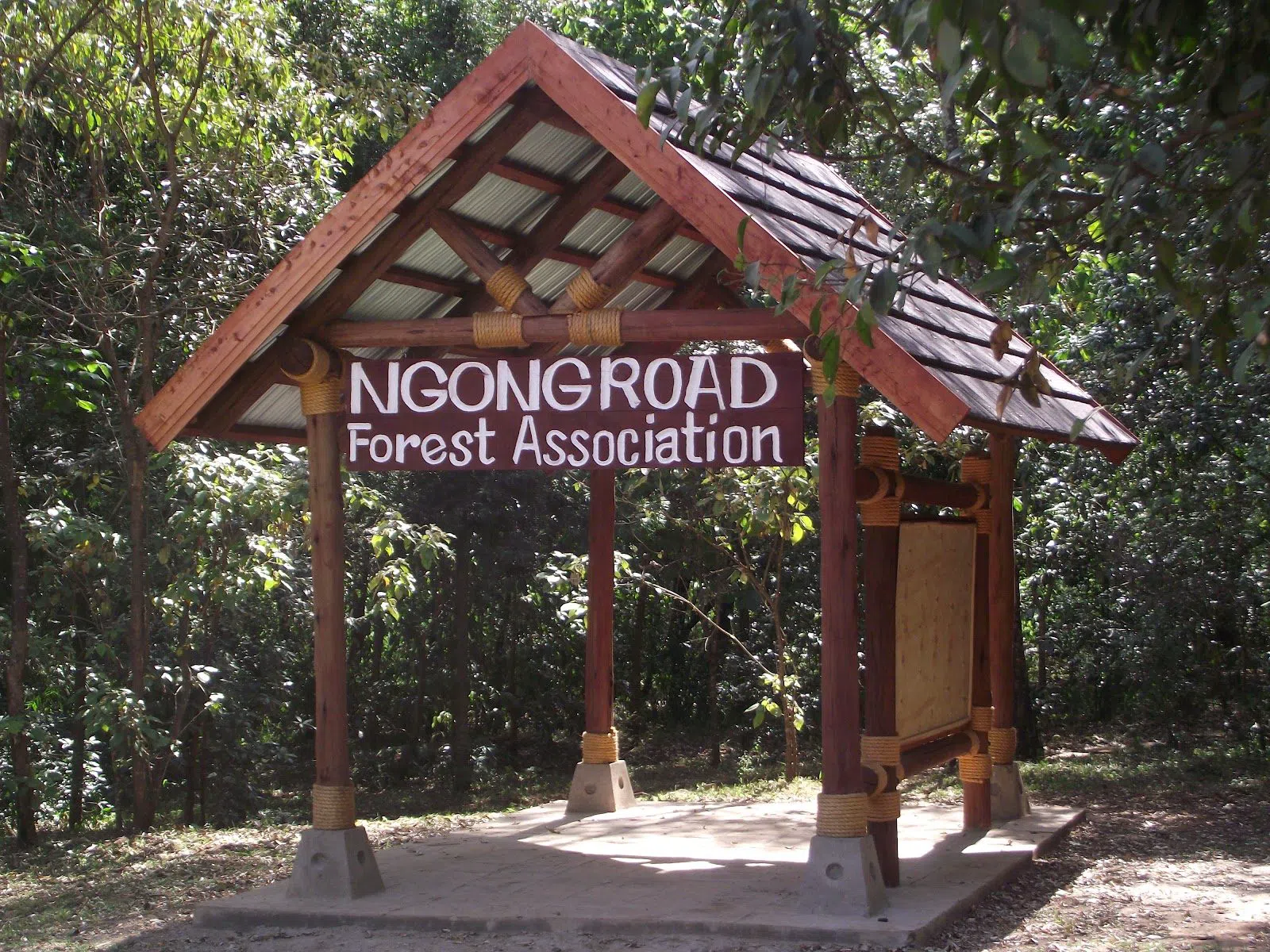
Ngong Road Forest Sanctuary (off Ngong Road) is the fenced and patrolled section of a much larger forest block, run by the Ngong Road Forest Association with KFS, and the fence is what makes this stretch usable when the wider block is not. The 3km and 5km loops can be walked unaccompanied; the 10km and 21km routes require a ranger escort arranged at the gate. Entry is KES 100 for adult citizens and KES 50 for children, around KES 300 for foreign visitors, and bike hire is about KES 500 for two hours. It is the default choice for trail runners and mountain bikers who do not want to drive out of town.
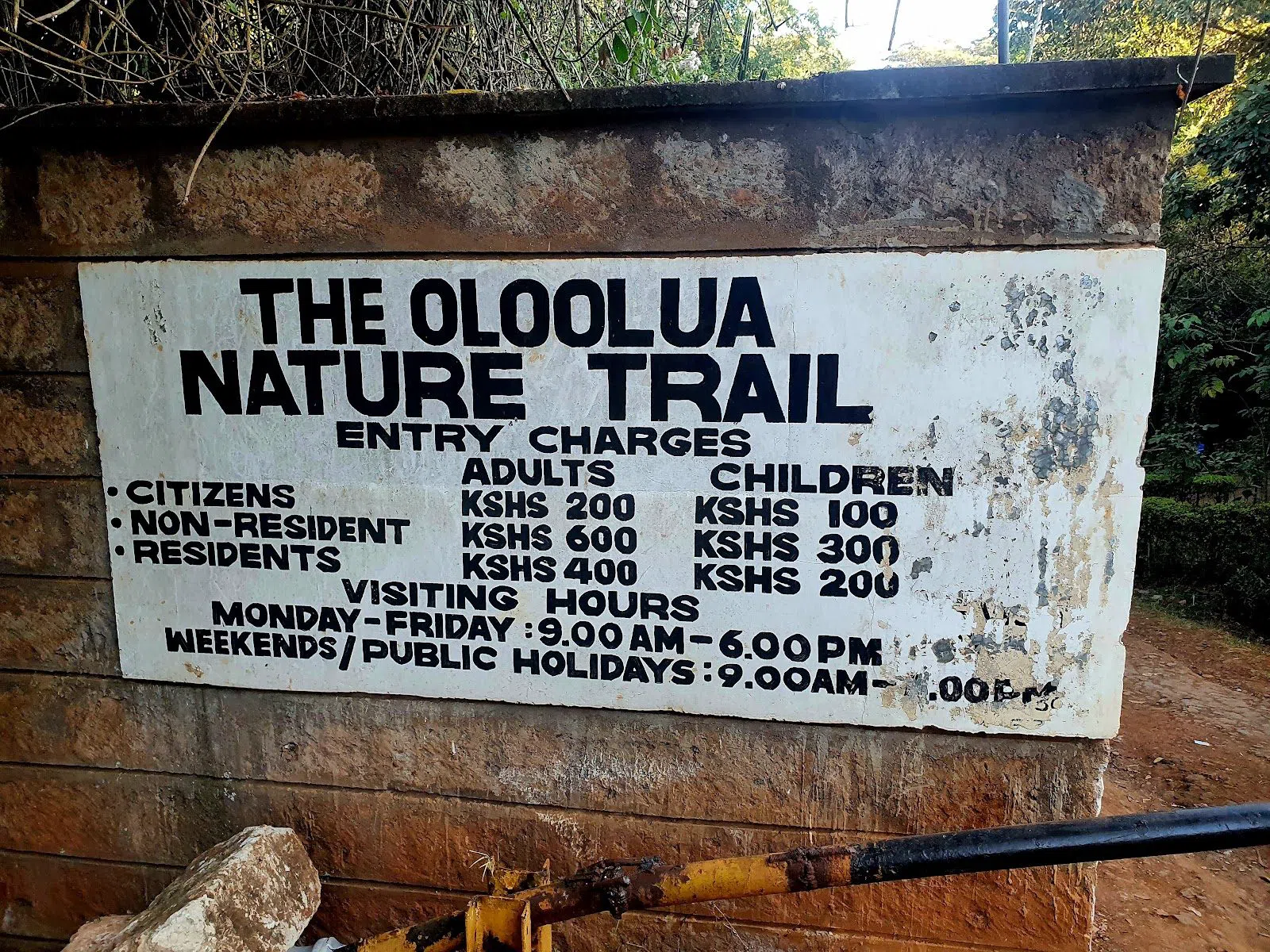
Oloolua Nature Trail (Karen) is the compact answer to Karura, roughly 5km of indigenous forest trail that packs a waterfall, a cave, bamboo and a river into a single loop. It opens 9am to 6pm daily including public holidays, and costs KES 200 for citizens, KES 400 for residents and KES 600 for non-residents, with children at half. Payment is M-Pesa at the gate. Guides are available on arrival, and larger parties are best arranged ahead with the Institute of Primate Research; school and corporate walks come through here constantly.

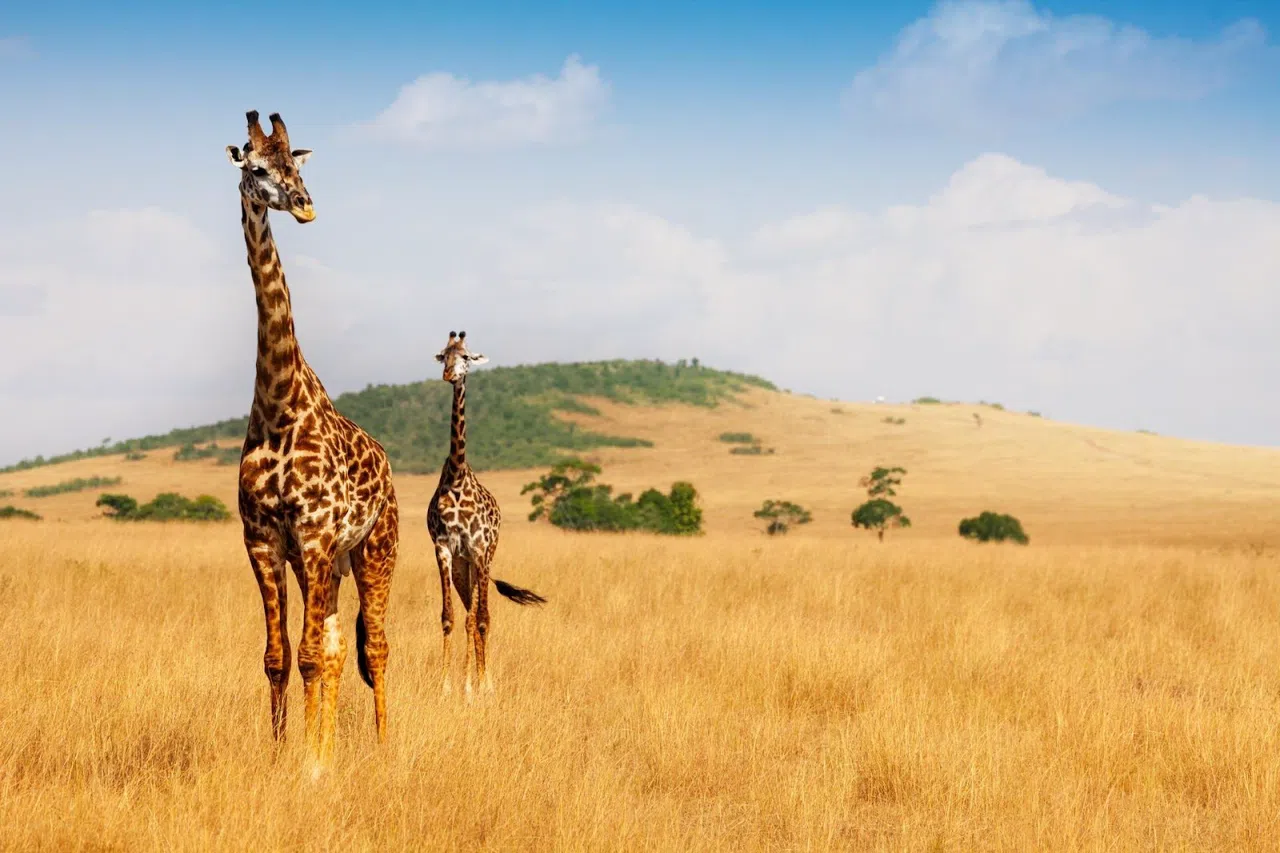
Giraffe Centre (Karen) earns its place here for what sits behind the feeding platform. The AFEW nature trail runs through Gogo River forest, about 45 minutes on foot and 60-plus bird species, and it is included in the ticket that nearly everyone spends only on the giraffes. Expect around KES 200 to 400 for residents and roughly USD 12 to 15 for non-resident adults. Arrive early; tour-bus traffic peaks late morning and the platform becomes a scrum.
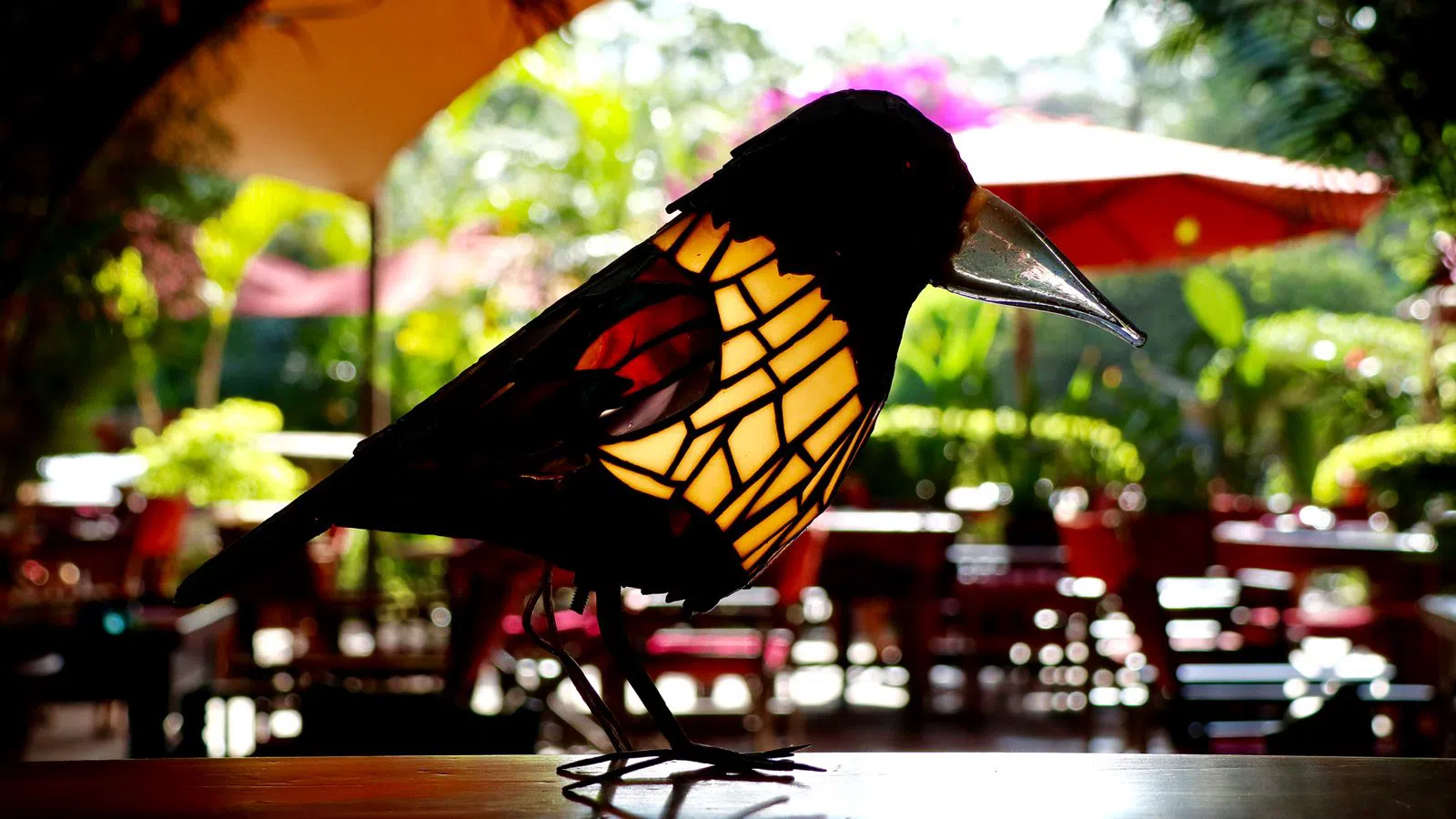
Lunch after either of those is The Talisman (320 Ngong Road, Karen), once the home of the wildlife filmmaker Alan Root, where the garden is the main room rather than a terrace bolted onto a dining room. Mains sit at roughly KES 1,800 to 3,500. Several rooms plus the terrace and garden mean it absorbs groups well, but book ahead for Friday and Saturday evenings and for Sunday lunch. The kitchen runs 11am to 10pm Tuesday to Friday, 9am to 10pm on Saturday and 9am to 9pm on Sunday.
Wildlife on foot, without booking a game drive
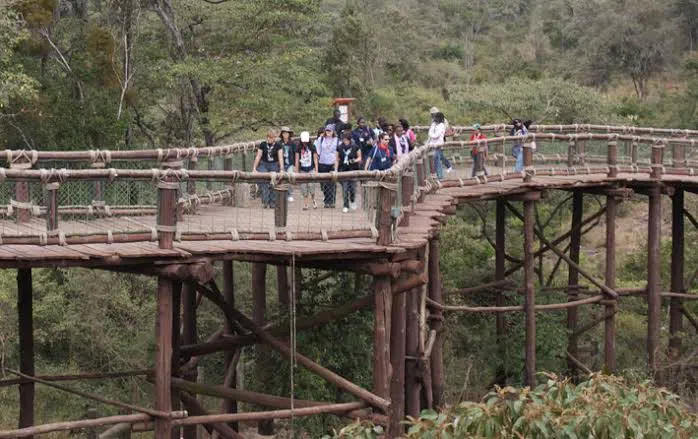
Nairobi Safari Walk (Lang'ata Road, at the Nairobi National Park main gate) is the one genuinely walkable KWS site in the city, a raised boardwalk trail that takes about an hour and needs nothing more than decent shoes. Entry is KES 300 for East African citizen adults, KES 405 for resident adults and USD 25 for non-resident adults, and there is a combined KES 1,300 adult package covering the national park and the Animal Orphanage. Because it is a walking facility there is no vehicle charge, so coach parties simply walk in from the Lang'ata Road gate.
Uhuru Gardens National Monument and Museum (Lang'ata) is 68 acres rebuilt and reopened as a national monument and museum, flat and easy walking, and the closest large park to the Wilson and Karen side of town. The grounds are free; boat rides and some attractions are charged separately. It was built for crowds, so groups, school parties and events are routine, though large organised visits should notify the museum ahead.

Day trips that need a car
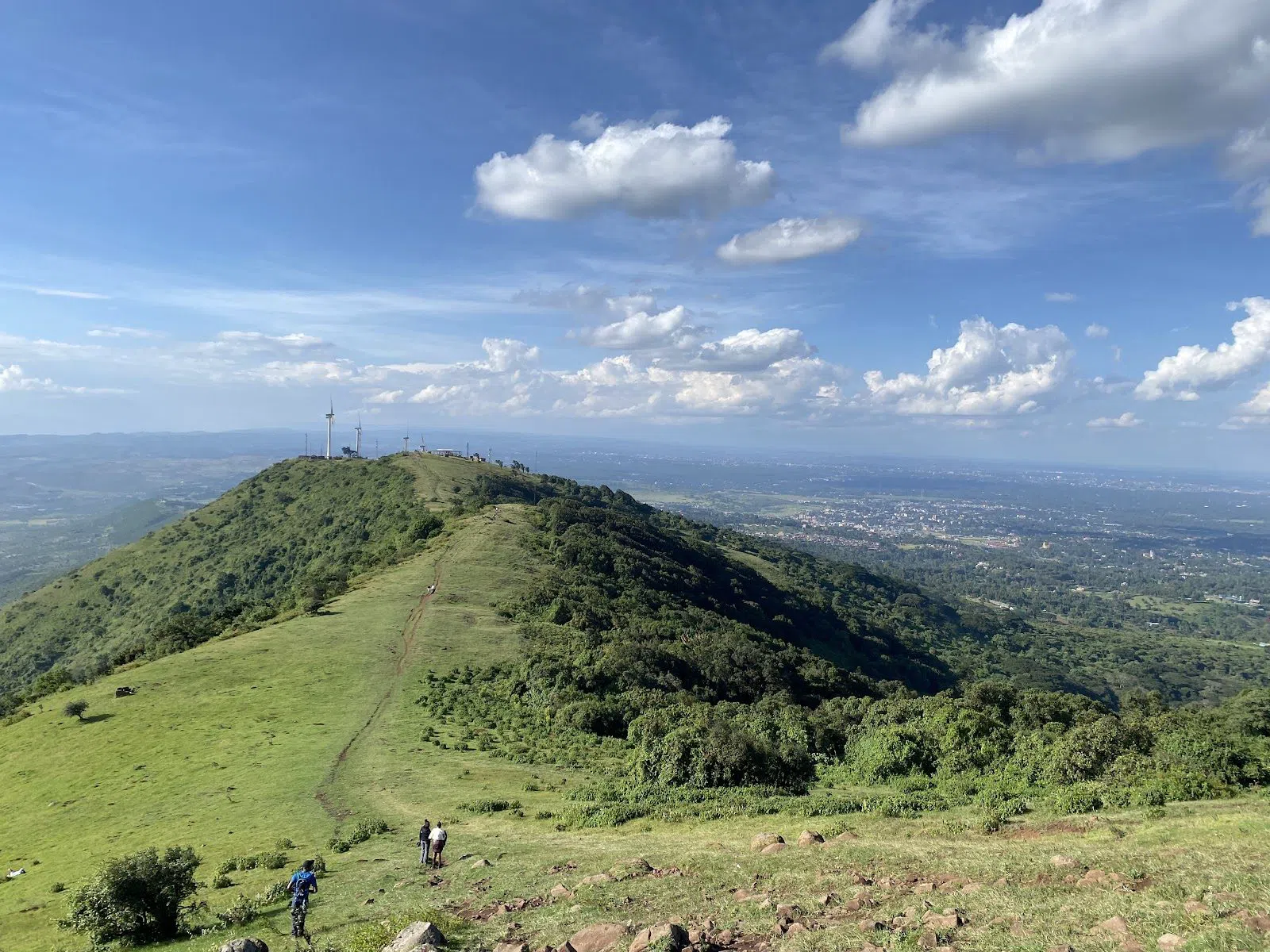
Ngong Hills Nature Reserve gives the biggest walk within reach of the city: a 12km traverse of all seven peaks, four to six hours from the KFS gate above Ngong to Kona Baridi. Entry runs about KES 200 to 500 per person, plus roughly KES 1,000 per group for a KFS ranger, who is required for the full traverse and arranged at the main gate. Because the ranger is charged per group, this is the one place on the list that is cheaper and better done as a party of six than as a couple. The escort is armed for a reason, and skipping it is the mistake visitors make here.
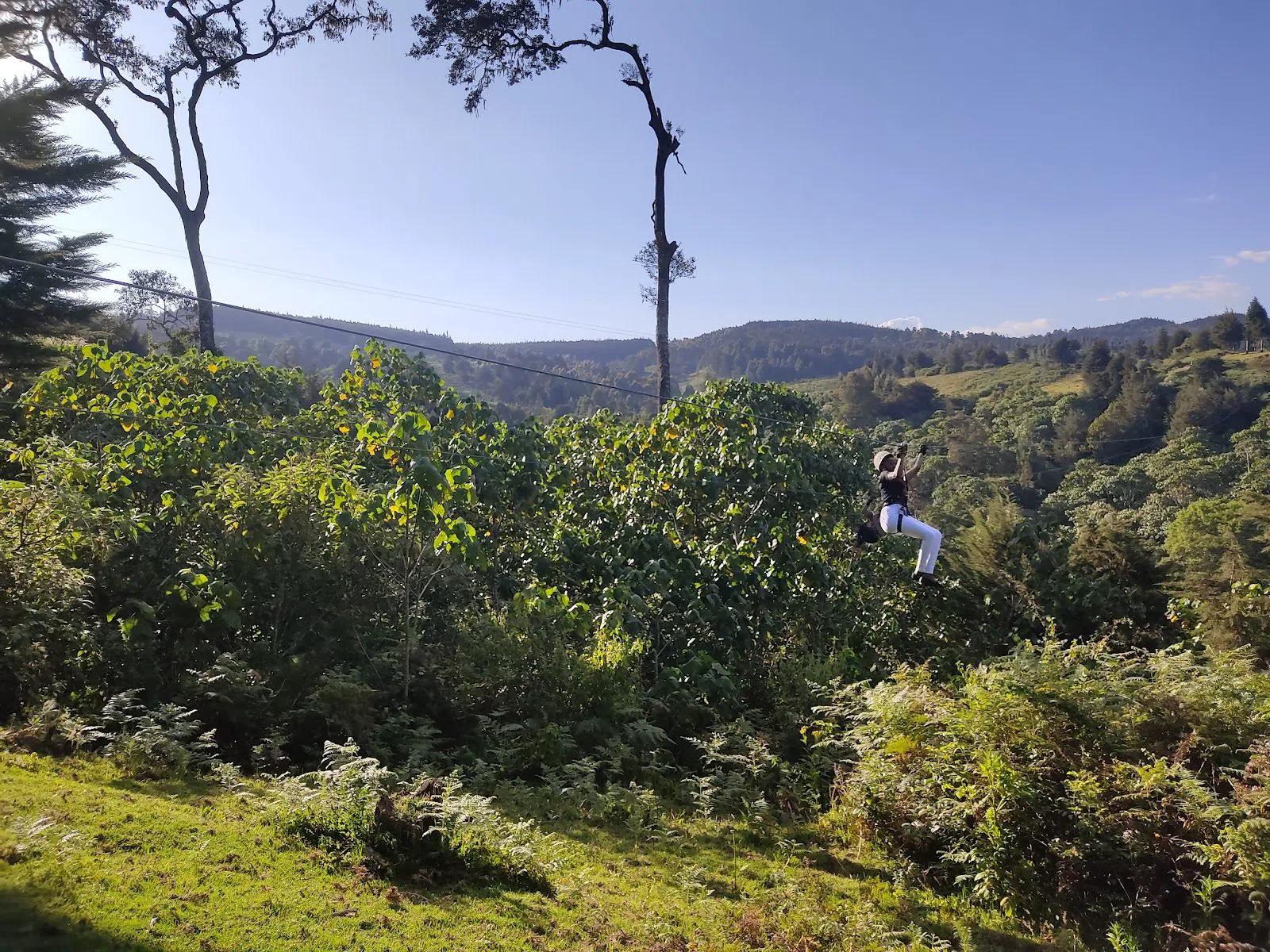
The Forest, Kereita sits about 45 minutes to an hour north and is the trip for people who want the forest to do something: East Africa's longest zipline course at 2.4km over six lines, plus hiking, biking and a waterfall. Reckon on roughly KES 3,000 to 6,000 per person depending on the activity bundle, plus forest entry. It is built for corporate days, team events and family parties, and weekend slots book out, so reserve rather than drive up hopefully.
Brackenhurst Botanic Garden and Forest, 25km north, is the best conservation story near the city: a eucalyptus plantation replanted from 2000 with more than 650 indigenous species, bird counts up from 30 to 180, and colobus back after an eighty-year absence. Entry is about KES 200, with guided tours and meals extra, and it is open 6.30am to 6.30pm. Guided group walks need advance notice; the on-site conference and retreat centre handles large or overnight parties.
Who each place suits
For a couple or a solo walker, the strongest half days are Karura early with breakfast at the River Café, the Botanic Garden as a first morning, Oloolua for a compact forest loop, and the Gogo River trail at the Giraffe Centre before the buses. For groups, the economics flip: Kereita, Ngong Hills with its per-group ranger fee, Arboretum picnics under permit and Uhuru Gardens all work better with numbers behind them. Two places carry real conditions rather than preferences. City Park is a daytime, main-paths visit, and the Ngong Hills traverse is not to be attempted without the escort.
Getting there, paying and timing
None of these are reachable by rail, and the useful ones are spread across Gigiri, the CBD, Karen and Lang'ata, so plan around a taxi or a ride-hailing app and accept that a Karura morning and a Karen afternoon in the same day means sitting in traffic between them. Parking is cheap where it is charged at all, KES 100 to 500 at the Arboretum, and the Safari Walk has no vehicle charge because you walk in.
Carry as little cash as possible, and set up mobile money before you need it. Karura and the Arboretum are card, M-Pesa or eCitizen only with no cash accepted at the gates; Oloolua takes M-Pesa at the gate; the museum and its botanic garden are paid through eCitizen. A card that fails at a KFS gate leaves you with no fallback.
Timing decides the quality of the day more than anything else. Karura opens at 6am and locks at 7pm, the Botanic Garden runs 8.30am to 5.30pm and Oloolua does not open until 9am, so the early hour belongs to the forest and the birds. In the rains, ring or check at the gate before building a plan around Karura's waterfall or a dry riverside walk at the CBD park.
On budget, a non-resident can do Karura and a sit-down lunch for roughly KES 2,000 to 3,700 including entry; citizens and East African residents do the same day for a fraction of it. The annual Karura pass from KES 3,480 pays for itself in four visits. Kereita is the outlier at KES 3,000 to 6,000 per person before entry. If you want to stay within walking distance of the greenest side of the city, Gigiri, Westlands and Karen are the districts to search. Start with the Nairobi hotel search and work outwards from the gate you expect to use most.
Before you go
How much does it cost to enter Karura Forest, and can I pay cash?
On the August 2025 rates it is KES 174 for citizens and East African residents, KES 850 for non-resident adults and KES 450 for non-resident children, with annual passes from KES 3,480. No gate has a cash desk: payment is by eCitizen, M-Pesa or card only, so set up mobile money or bring a working card before you arrive.
Is Karura's waterfall always open?
No. After heavy rain the Kenya Forest Service closes the river paths, which takes out the caves, the waterfall and the Ruaka picnic site together, as happened in March 2026. Closures are posted at the gate rather than announced ahead, so check on the day and keep the ridge and plantation loops as your plan during the rains.
Which green space works if I only have two hours in the city?
The Nairobi Arboretum, walkable from Westlands and the national museum and short enough to fit between meetings, or the botanic garden behind the Nairobi National Museum, which the museum ticket covers and which adds a short river trail. Uhuru Park is the quickest of all, five minutes from the central business district.
Do I need a ranger for the Ngong Hills traverse?
Yes. A KFS ranger escort is required for the full 12km, seven-peak traverse and is arranged at the main gate above Ngong, charged at roughly KES 1,000 per group on top of about KES 200 to 500 entry per person. Because the fee is per group rather than per head, the walk is cheaper and safer done as a party.
Where can I eat inside or beside the forest?
The River Café inside Karura, reached from Gate A on Limuru Road, is a full all-day restaurant with mains around KES 1,200 to 2,800. Book on +254 725 969891 for weekends, and note that forest entry is paid separately at the gate. On the Karen side, The Talisman at 320 Ngong Road is the natural lunch after Oloolua or the Giraffe Centre, at roughly KES 1,800 to 3,500 a main.