The Nairobi issue
Landing in Nairobi for the First Time in October
Dawn in the national park, a forest that never feels crowded and one hard hour of afternoon rain: how to build a first October week in Nairobi.
By Lukas BrandtNairobi neighbourhood by neighbourhood, on foot and by matatu

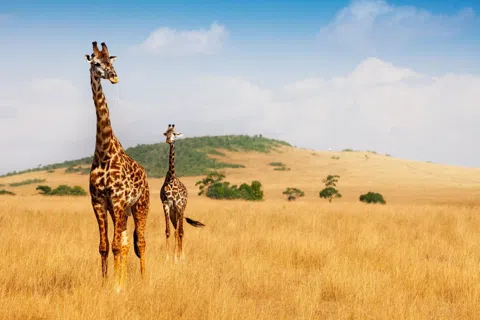
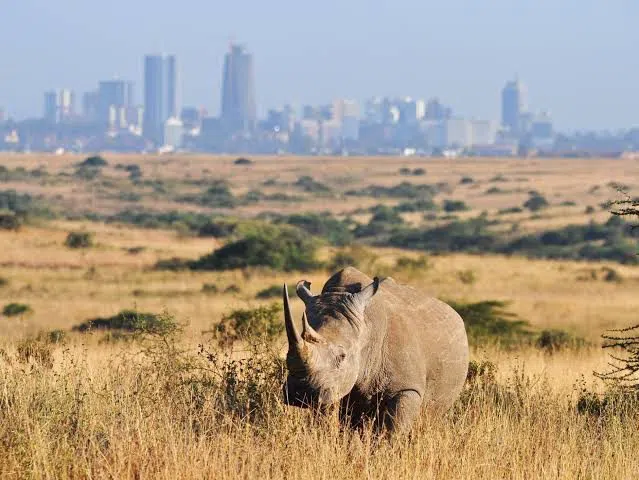
The road south out of the centre runs twenty minutes past matatu stages and glass towers, and then the last fence ends and there is a rhino standing in yellow grass with the skyline behind it. No other capital in the world is arranged this way. October adds one condition to all of it. The short rains arrive somewhere around the middle of the month, usually as one heavy hour late in the afternoon rather than a washed-out day, and once you plan around that hour, a first visit here is far more straightforward than its reputation suggests.
What October is actually like
Nairobi sits at about 1,800 metres. It is near enough on the equator, but high enough that the heat never really lands. Days run warm rather than hot, mornings are cool enough to want a jacket at six, and evenings on an open rooftop are genuinely chilly by the standards most people expect of East Africa. Bring a light layer. You will use it every day.
The month splits in two. The first fortnight is the tail of the long dry season: short grass, thin cover, animals concentrated near water, dust on everything. From roughly mid-October the short rains build, and by the last week you should assume a heavy shower most afternoons, an hour or two of it, hard, and then it stops and the light turns gold. The rain rarely eats a whole day. It eats the four to six slot and the traffic that follows, because the roads here flood faster than they drain.
That gives every day its shape: wildlife and forest before ten, indoor or covered things through the middle of the day, dinner from seven. It also means the grass thickens as the month goes on and the animals disperse into it, so if the park is your reason for coming, weight your dates towards the first half of October rather than the last.
Safety is the other thing first-timers weigh up, and it deserves a flat answer. Daylight in the areas below is fine, and Karura Forest is patrolled and safe to walk alone, which is unusual for an urban forest anywhere. After dark the rule is simply not to walk between venues, in the centre especially: take a ride-hailing car door to door for a few hundred shillings and the question disappears. Keep your phone in a pocket rather than in your hand at a downtown junction and you have covered most of the rest.
Plan your Nairobi trip
Live prices from our booking partners.
Free cancellation on many rooms. We may earn a commission when you book.
Give the park your first morning
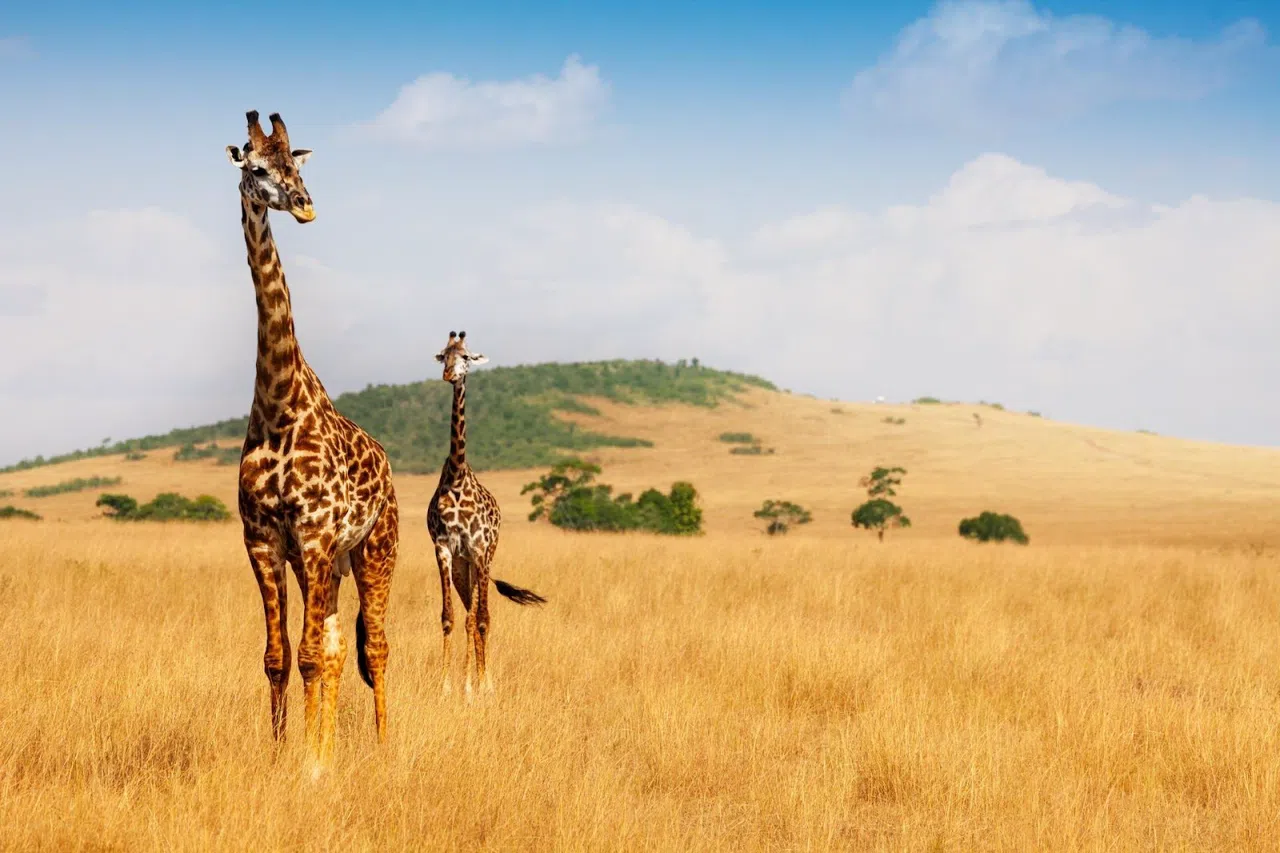
Nairobi National Park (Langata Road, roughly ten kilometres south of the city centre) is the reason to give Nairobi days rather than an airport night. It is 117 square kilometres of open plain, fenced on three sides and open to the Athi plains on the fourth, holding lion, black and white rhino, giraffe, buffalo and hundreds of bird species, with the towers of the business district on the horizon behind them.
Entry is USD 80 for a non-resident adult plus a 5% eCitizen gateway fee, and then a vehicle fee on top (KES 1,000 for East African citizens), which is why a shared 4x4 booked through any Nairobi operator works out far cheaper for four to six people than a private car for two. It is entirely cashless: pay at kwspay.ecitizen.go.ke the night before, because standing at the gate at six in the morning waiting for a payment to clear is a poor start. Gates run 6am to 6pm. Go at first light. The animals move early, the light is better, and you are back in the city before the heat.
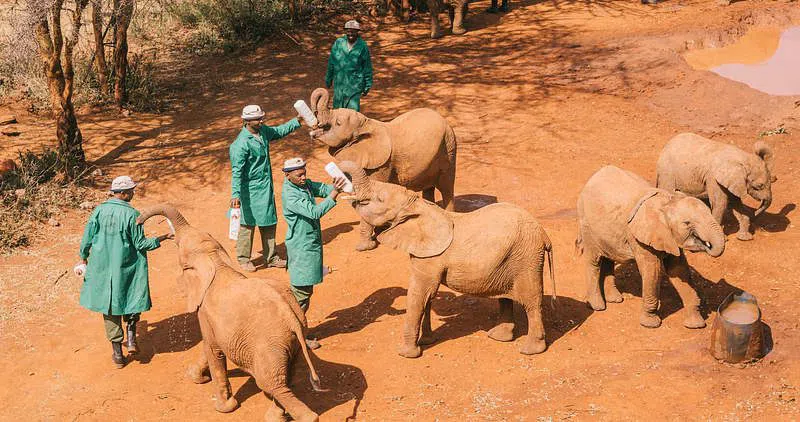
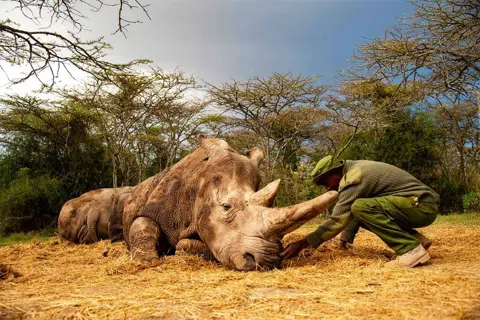
The Sheldrick Wildlife Trust Nairobi Nursery (Langata, on the park's edge) opens for exactly one hour a day, 11am to noon, every day except 25 December, and a senior keeper walks you through each orphaned calf by name while they feed and mud-bathe. USD 20 per adult, twelve and over, separate from the park fee.
First-timers get the booking rule wrong more often than anything else here, so read it twice: book direct with the Trust, by email to the Nairobi office, up to three months ahead. Bookings made through Viator, GetYourGuide or Tripadvisor are not valid and you will be turned away at the gate holding a confirmation that means nothing. If the confirmation did not come from the Trust itself, you do not have a booking.
The two fit together cleanly. Into the park at six, out by half ten, at the nursery for eleven, and that is the strongest single morning available in this city.
Karen and Langata in one unhurried loop

Giraffe Centre (Langata, on the Karen edge) has been run since 1979 by the African Fund for Endangered Wildlife as a breeding programme for the endangered Rothschild's giraffe, so the pellet you hold out from the raised platform funds conservation rather than a zoo gimmick. No booking, just walk in: USD 15 for a non-resident adult, USD 7.50 for a child, KES 400 and KES 200 for citizens and residents. Cashless only, card or M-Pesa, no notes at all. Open 9am to 5pm daily. The platform is wide enough to absorb a full minibus, which makes it one of the easiest group stops in the city, and the ticket also covers the 38-acre nature trail across the road that almost nobody walks.
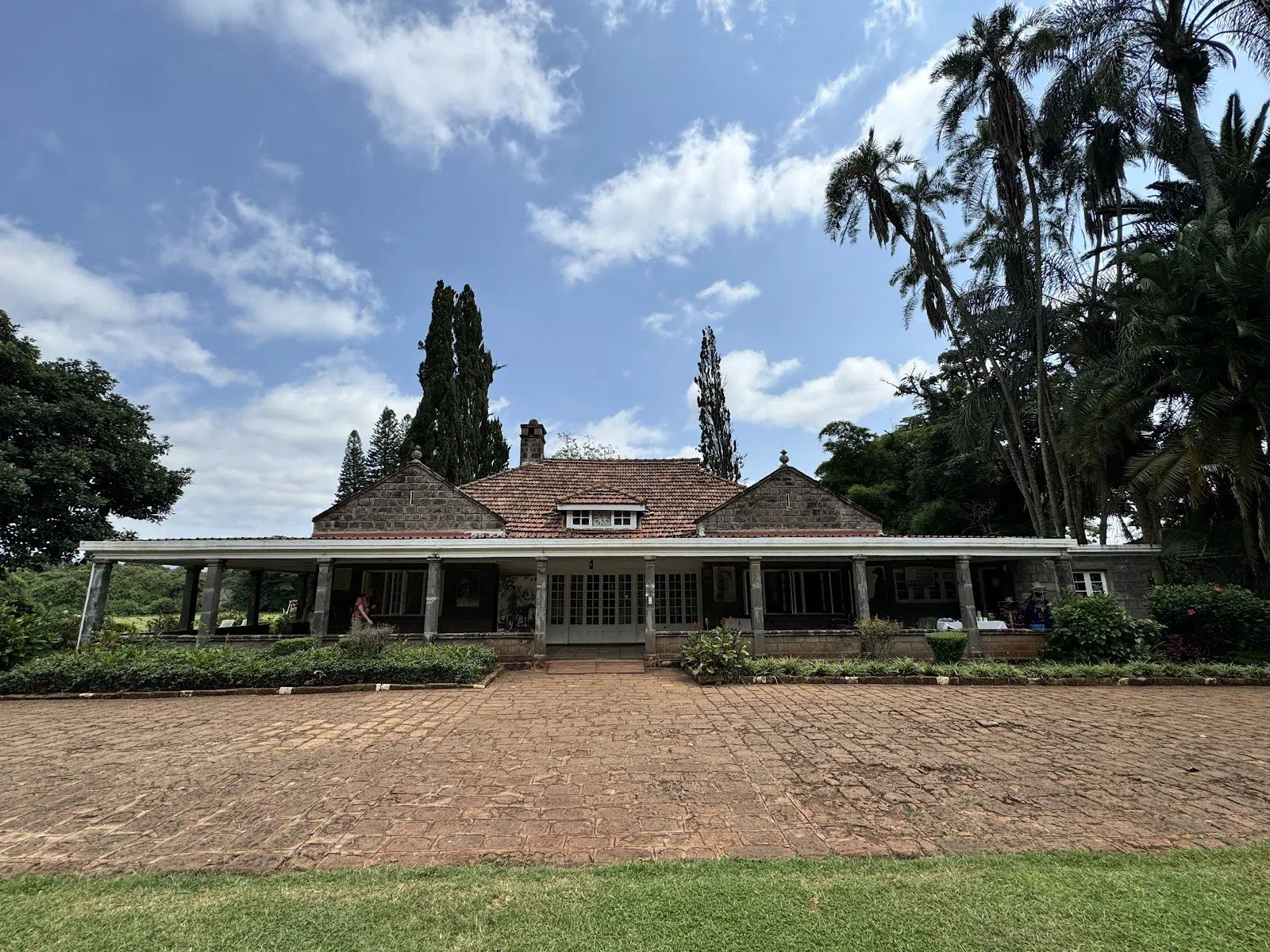
A short hop further in, the Karen Blixen Museum (Karen) is the 1914 to 1931 coffee farmhouse from Out of Africa, opened as a museum in 1986 and kept close to how she left it. USD 17 for a foreign adult, USD 8 a child, USD 9 for residents and visitors from the rest of Africa, KES 550 for citizens; eCitizen ticketing, no cash. Guided tours are included and run continuously, so there is no waiting about. An hour is plenty, and the visit is better for being short.
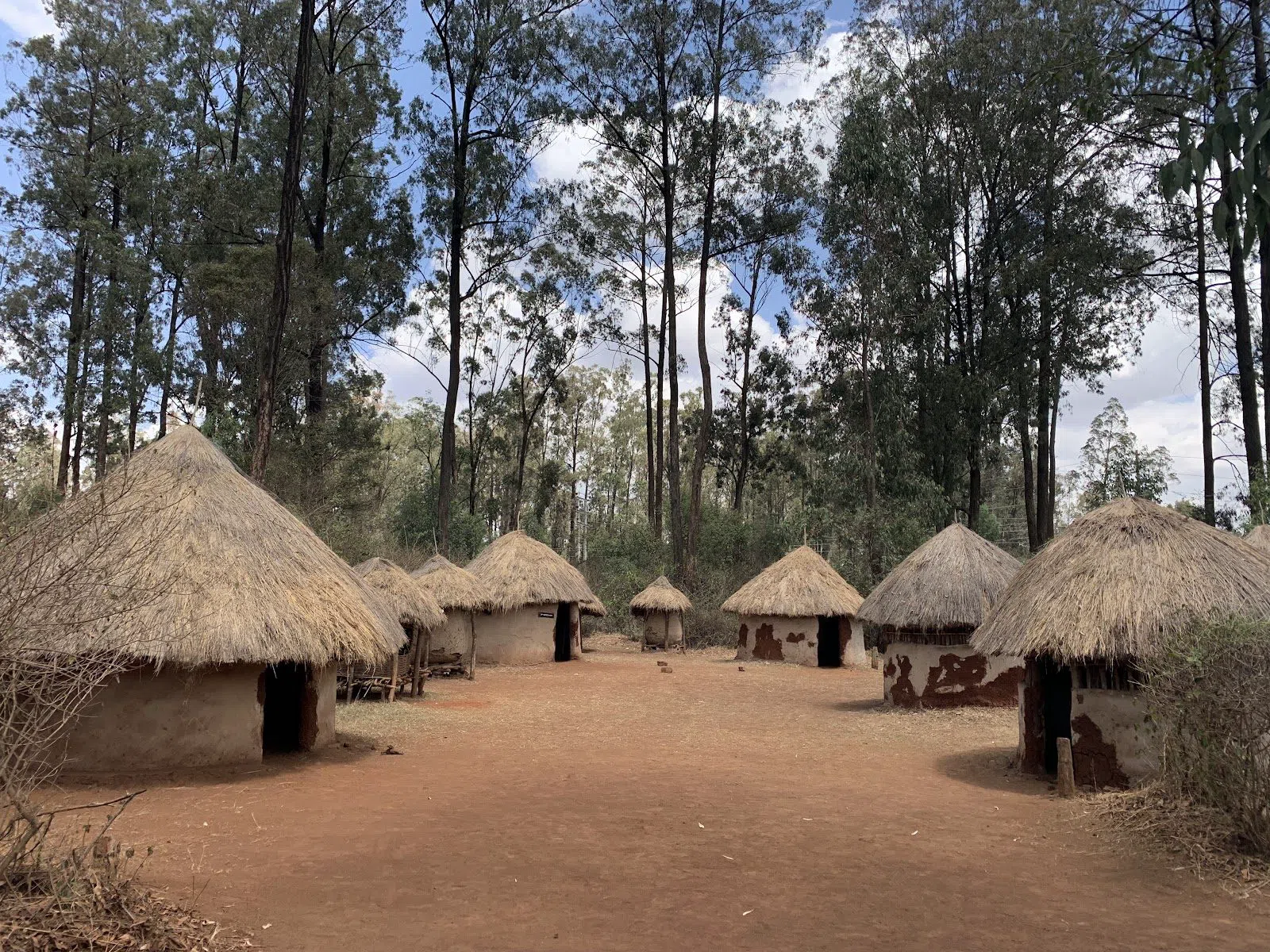
Bomas of Kenya (Langata, near the park's main gate) is the third piece of this side of the city: traditional dance, music and homestead architecture from communities across the country, staged daily since 1971 in one of the largest auditoriums on the continent. About KES 2,000 for a non-resident adult, KES 1,000 for citizens, card only at the gate, booking by phone or through GetYourGuide or Viator. Afternoon shows run from 2:30pm on weekdays and 3:30pm at weekends and public holidays, with morning shows on Tuesdays and Fridays. One warning matters more than the prices: the site is being redeveloped as the Bomas International Convention Complex, so phone on the day and confirm the show time before you set out.
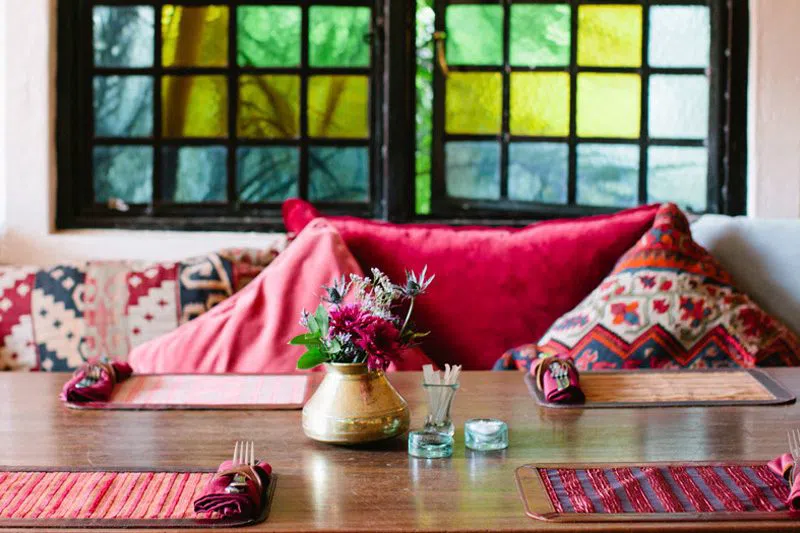
Close the loop at The Talisman (Karen, on the Ngong Road side), a converted house with an organic garden out the back and a kitchen that moves between European, pan-Asian and African cooking without embarrassing itself in any of them. It holds 4.6 across more than two thousand reviews and has been picked up by Travel + Leisure and Frommer's. KES 2,500 to 5,000 a head. Reservations are required, and for a group they are non-negotiable, because it fills. Tuesday to Sunday, 11am to 9pm with last orders at 8:30pm, closed Mondays, which catches people out, since Monday is exactly when a jet-lagged arrival decides on an easy dinner in Karen.
A tower, a museum and a forest for the rest of the day
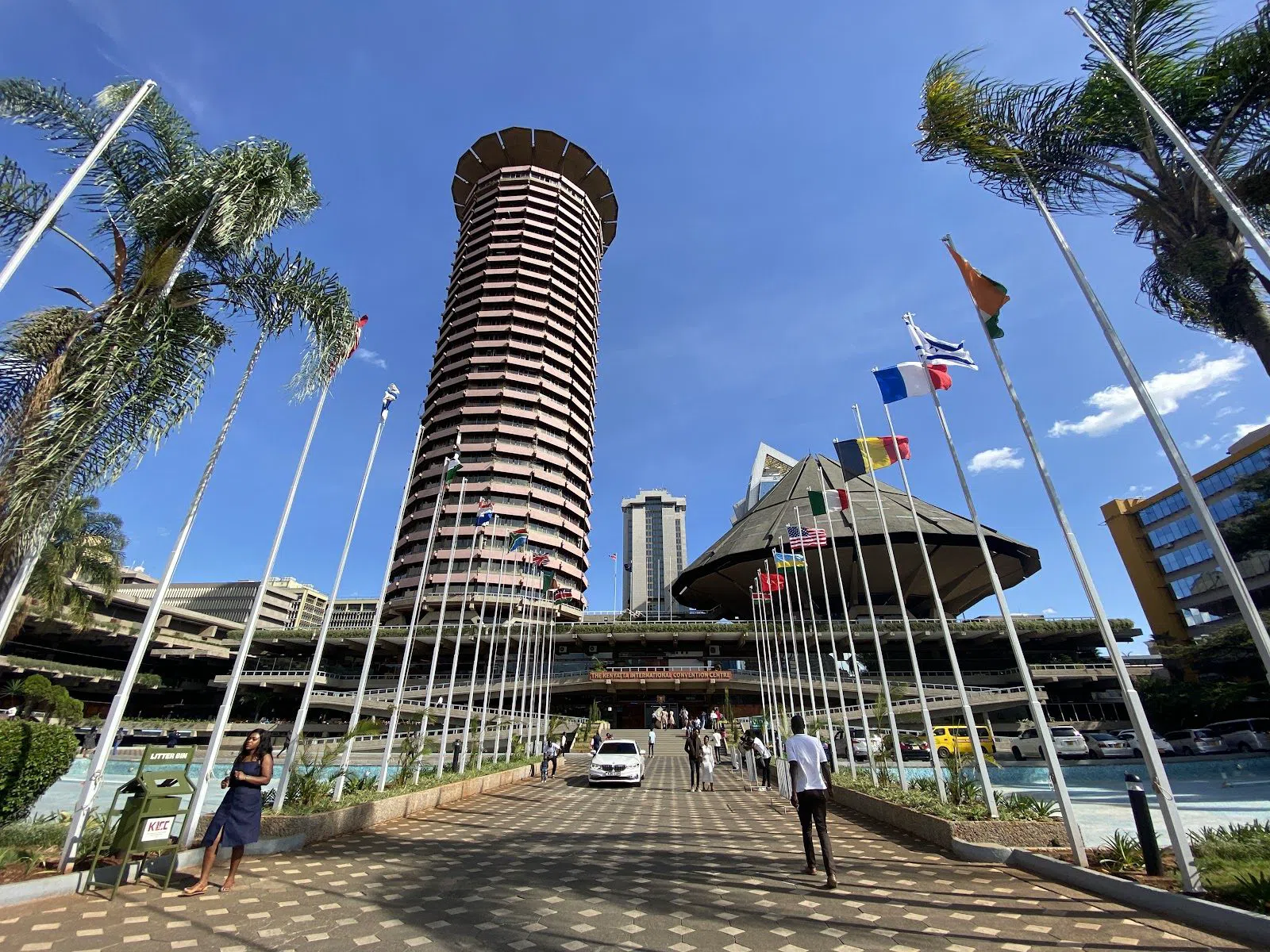
Do the tower first, ideally on day one. The KICC Rooftop Helipad (central business district) sits on top of the 1973 landmark tower and costs about KES 500 to 1,000, roughly USD 5 for residents and USD 10 for everyone else, for the best orientation available anywhere in Nairobi. From the helipad you can see how the centre, the parks and the escarpment fit together, which makes every taxi ride afterwards legible instead of baffling. Open 8am to 6pm. The lift reaches the 27th floor and then there are several flights of stairs, so it is not step-free, and there is no shade at the top. Go late afternoon rather than at midday.
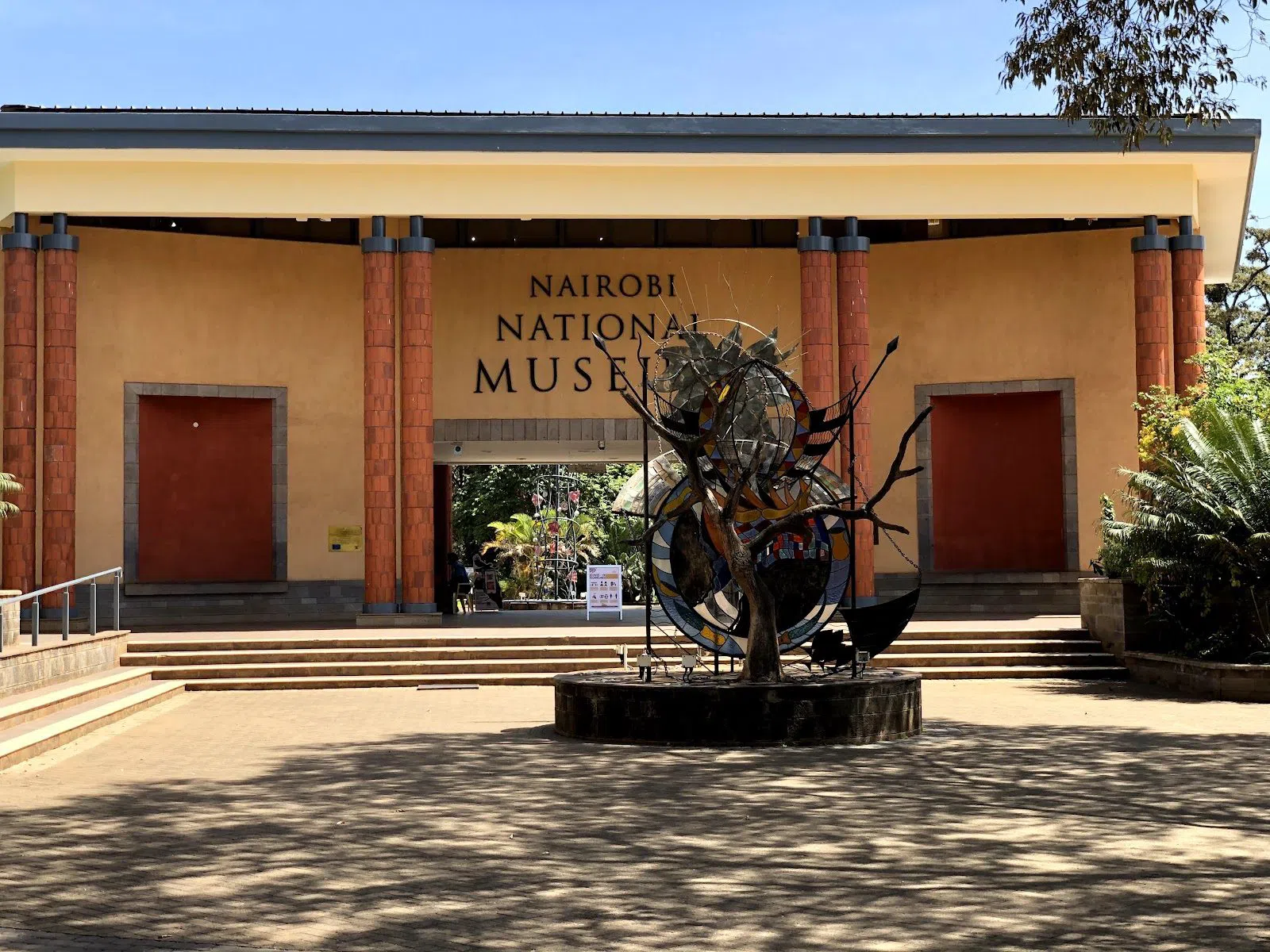
Nairobi National Museum & Snake Park (Museum Hill, just north of the centre) is the proper grounding before you go anywhere else in Kenya: Rift Valley hominid finds, the Joy Adamson portrait collection, and strong birds and ethnography halls. USD 18 for a foreign adult, USD 9 for a child and for residents and visitors from the rest of Africa, KES 350 for Kenyan and East African adults, following the revision of 7 May 2026. Payment is through eCitizen only, with M-Pesa supported inside the portal. Open 8:30am to 5:30pm every day of the year, holidays included, and it is indoors, which is what earns it a place in an October itinerary. When the sky goes heavy at four, this is where you want to be standing. Guides are available on site and groups can arrive without notice.
Karura Forest Reserve (Limuru Road, on the northern side of the city) is the best morning in Nairobi that costs almost nothing. A thousand hectares of protected indigenous forest inside the city, more than 50 kilometres of trails, caves, a waterfall, and colour-marked 5, 10 and 15-kilometre loops. Roughly KES 600 to 700 for a non-resident and KES 116 for an adult citizen, paid through eCitizen. Gate A on Limuru Road, opposite the Belgian Embassy, is the easiest for a first visit, and the multiple gates spread people out so it never feels crowded. Open 6am to 6pm with the gates locked at 7pm sharp. Take that literally. October rain makes the red-earth trails slick, so wear something with grip; in exchange the forest smells extraordinary and the waterfall is actually running.
Where to eat when you do not know the city yet
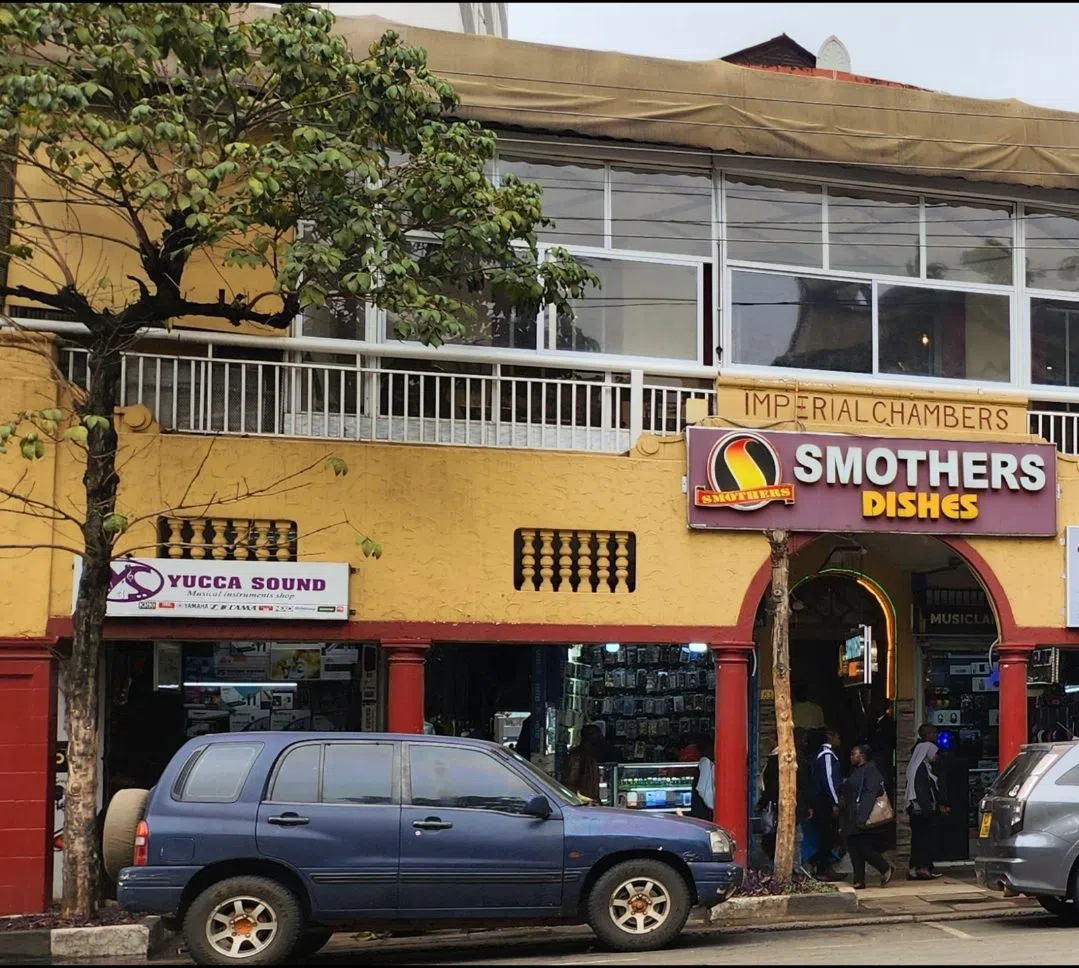
K'Osewe Ranalo Foods (central business district) grew from a 1970s roadside stall into the benchmark for Luo and western Kenyan cooking downtown: whole tilapia fried or grilled, ugali, omena, traditional greens, KES 500 to 1,200 a head. No reservations, so walk in, and go slightly before or after the 1pm office rush unless you enjoy queuing. Big tables are absorbed without fuss, and there are live rhumba and benga bands at weekends. This is the most honest local meal in central Nairobi, and it rewards anyone willing to sit elbow to elbow with the lunchtime crowd.
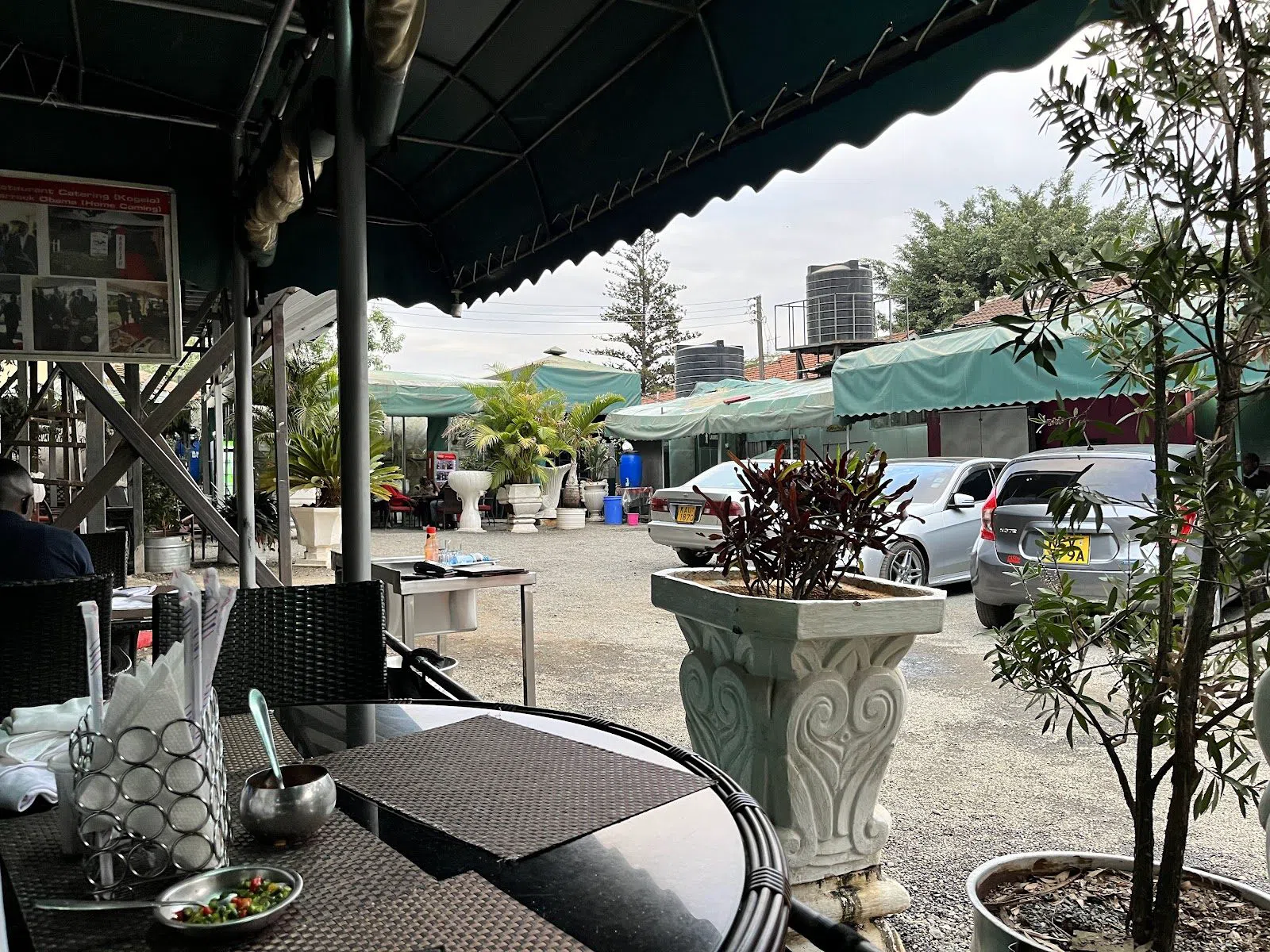
Mama Oliech Restaurant (Upper Hill) is the institution for whole fried tilapia. Anthony Bourdain and Barack Obama both ate here, and the fish is still the reason to come. KES 1,500 to 2,500 a head, open 10:30am to 11:30pm daily, comfortable with families and groups, but call ahead for six or more. Order the tilapia and ignore the wider menu. Some diners find the prices steep for what arrives, which is fair comment, so treat it as a set-piece rather than an everyday lunch.
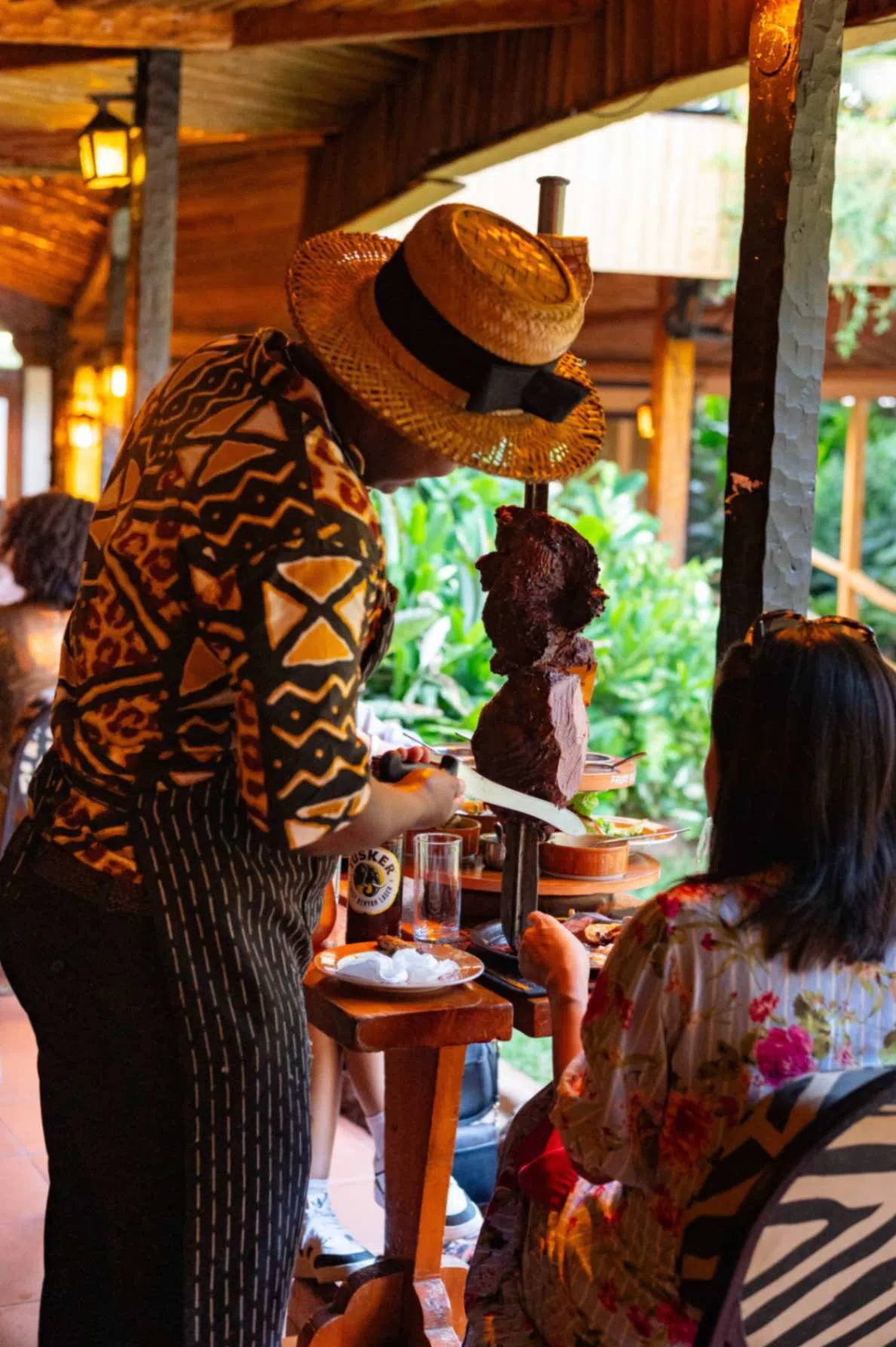
The Carnivore Restaurant (Langata Road) has run since 1980 under the Tamarind Group and remains the loudest, most communal meal in the city: meat roasted over charcoal on Maasai swords and carved at your table until you lower the flag to stop it. KES 4,950 fixed price per person, all-you-can-eat, with soup, sides, dessert and coffee included, and 350 covers, so it takes any group you can assemble. Book online; open daily noon to 10pm; there is a vegetarian set menu. It is touristy by design and completely unapologetic about it, which is the right way to take it. For a group's first night together, nothing else here does the job as well.
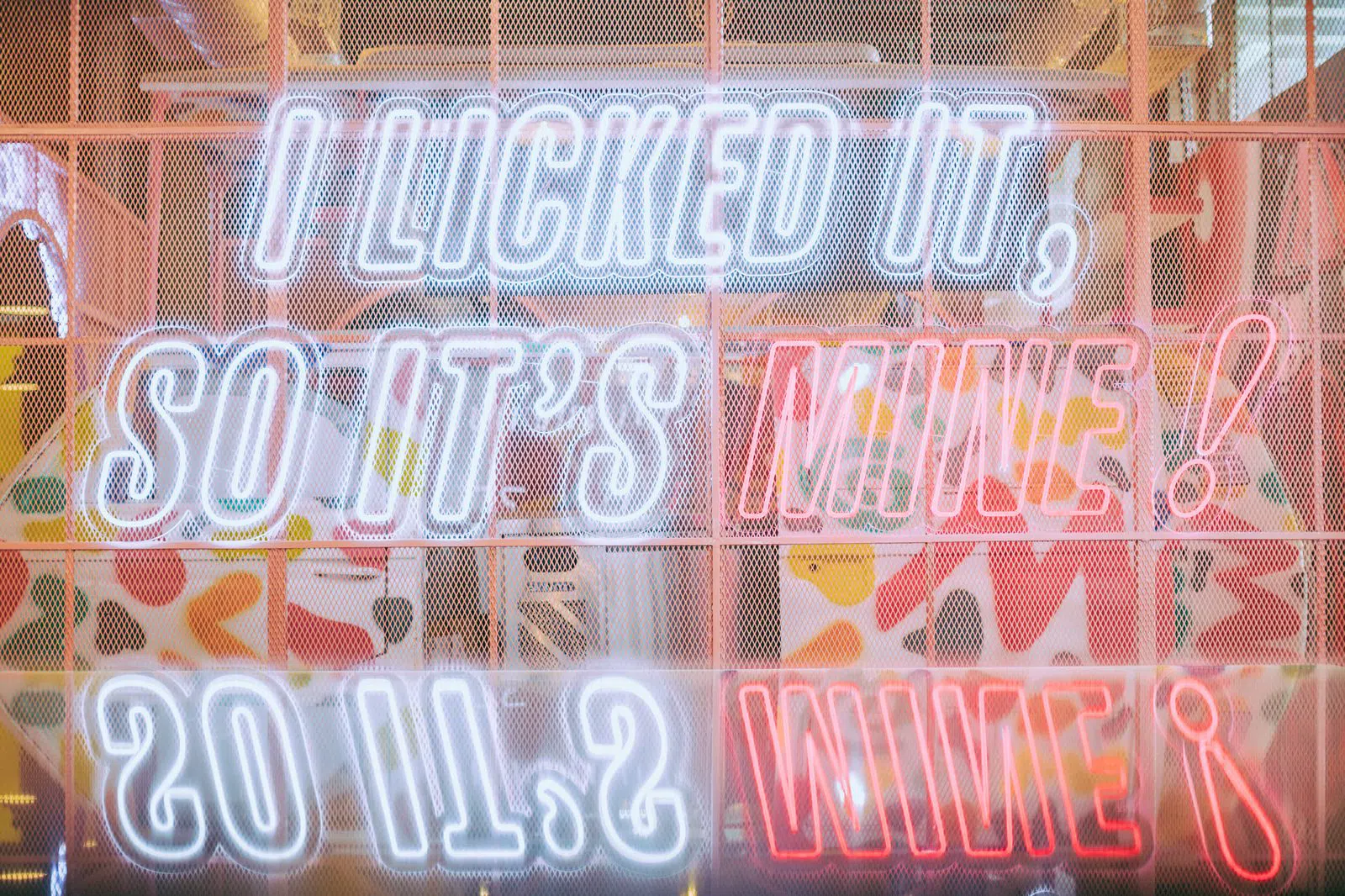
Nairobi Street Kitchen (Westlands) solves the other first-timer problem, which is not knowing where to start. Eleven separate kitchens, several bars and a rooftop in one courtyard, with live bands, DJs and artisan stalls through the week; KES 1,500 to 4,000 a head. Reserve through the site or EatOut. One gate, one taxi fare, and four people with four different appetites all get fed without anyone having to move.
Nights out without a door policy to negotiate

The Alchemist (Westlands, Parklands Road) opened on New Year's Eve 2015 and still anchors nightlife on this side of the city: food trucks, an ever-changing run of DJs and live bands, open-air cinema, open-mic sessions and market days, working from mid-afternoon until late. Open-air layout, mixed crowd, no strict door, and groups are entirely normal. Most nights are free or close to it, while ticketed events carry a KES 500 to 1,500 cover, so check the listings before you turn up. If you want one nightlife address you can commit to blind, this is it.
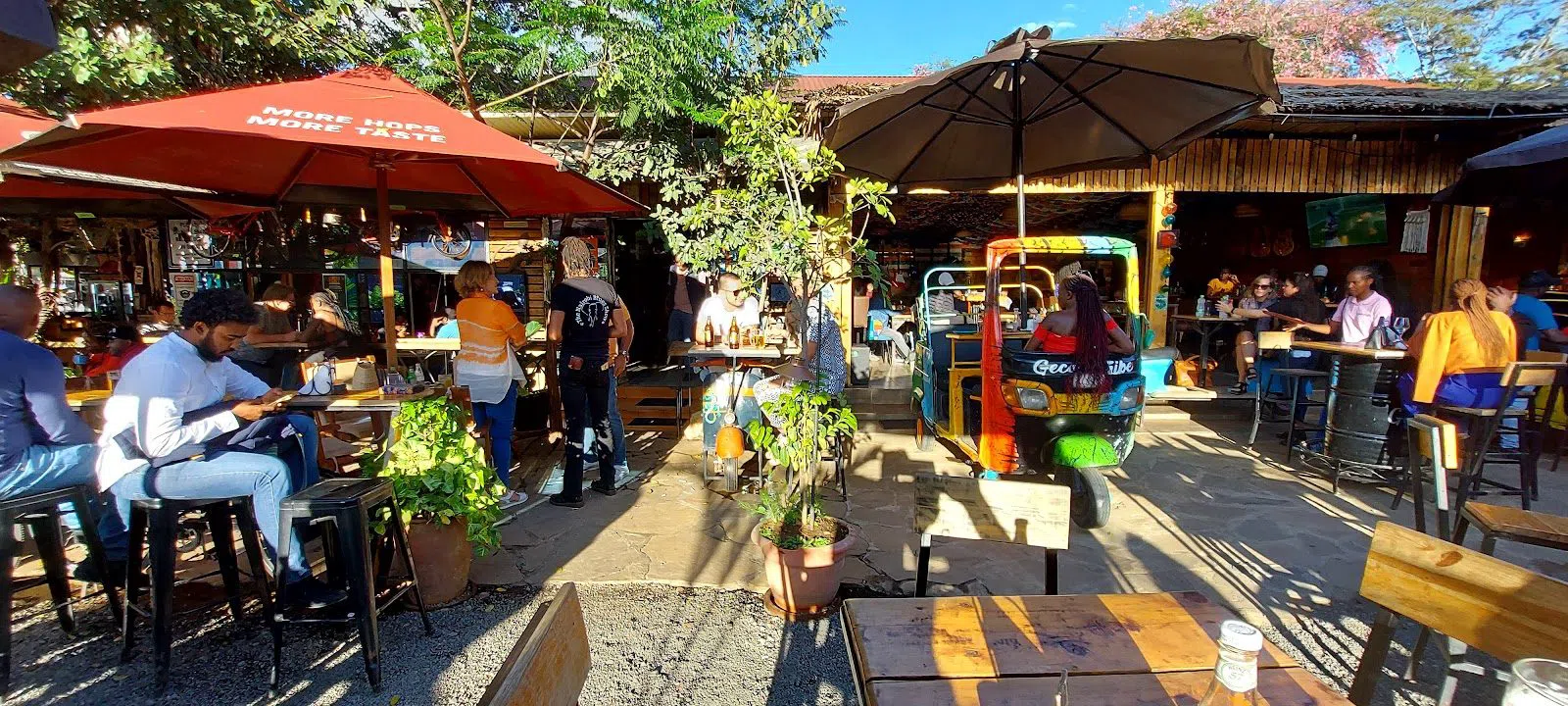
Geco Café (Lavington, not Karen, which is where people wrongly drop the pin) is the alternative to a night that is only bottle service. Live music seven nights a week without exception: jazz on Fridays and Saturdays, a trumpeter-curated session on Tuesdays, live-band hip-hop on the first Wednesday of each month. No cover most nights, drinks KES 400 to 900, no door policy to speak of, mostly Kenyan crowd. The room is small, so arrive early on jazz nights if you want a table; a group of eight walking in at ten will be standing.
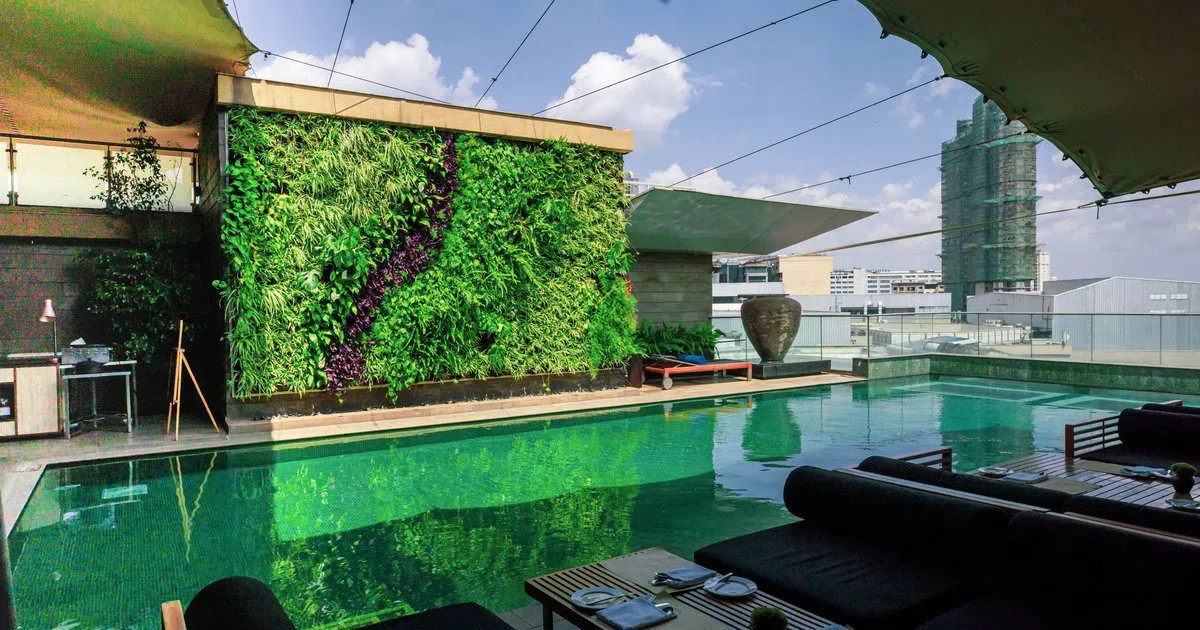
Sarabi Rooftop at Sankara Nairobi (Westlands) is the most comfortable sundowner in Nairobi: an open-air pool deck with sharing plates from the hotel's executive chef, live music and guest DJs several nights a week. Cocktails KES 1,200 to 1,800, tapas plates KES 1,000 to 2,500, smart-casual dress, closed Mondays, otherwise noon to midnight with the bar until 1am, and the terrace can be hired privately for a group. Use it as the six o'clock stop before dinner, when October's late cloud breaks up over the skyline and the temperature drops.
Getting around, paying and what it costs
Base yourself in Westlands or Karen and the days above assemble themselves: Westlands for nightlife, food and the shortest hops, Karen for quiet gardens and proximity to the giraffes, the Blixen house and the park's western side. The centre is convenient for the museum and the tower but empties after dark. Compare areas and rates through the Nairobi hotel search, and the Nairobi guide covers the wider city if you are staying longer than a long weekend.
Use ride-hailing. Uber, Bolt and Little all work here and are the default for visitors and residents alike; a short hop within Westlands is a few hundred shillings and Westlands to Karen usually lands under KES 1,500. Traffic decides the timings, not distance: the same eighteen kilometres can take 25 minutes on a Sunday morning and well over an hour at six on a Friday. Matatus are cheap and go everywhere, but leave them until you know the city. From the airport, allow an hour into town at almost any time of day, and more in the evening.
Payment has gone further towards cashless at the attractions than at the restaurants. The park, the museum, the Blixen house and Karura all bill through eCitizen; the Giraffe Centre takes card or M-Pesa and refuses notes; Bomas is card only at the gate. Create the eCitizen account early and pay the park fee the night before you need it. M-Pesa is the country's real payment layer, and a visitor SIM with an M-Pesa wallet, bought at the airport with your passport, makes the whole week easier. Still carry a modest amount of shillings for tips and small stalls.
For timing, hold the pattern: park or forest before ten, museum or Bomas through the middle of the day, KICC or Sarabi at five or six, dinner at seven or eight. Four days covers everything above comfortably; three does it if you accept one long day. On budget, excluding your hotel, expect around KES 6,000 to 9,000 per person for a day built on Karura, the museum and a K'Osewe lunch, and closer to KES 18,000 to 25,000 for a park-and-Sheldrick day that ends at The Talisman or The Carnivore. The wildlife is what costs money in Nairobi; the city itself is not expensive.
Pack a light waterproof, shoes with grip for the forest, and a jacket for the evenings. Nothing else about October needs special preparation.
Before you go
Is October a good time to visit Nairobi?
Yes, with one caveat about dates. The first two weeks are the end of the long dry season, when the grass is short, the cover is thin and game viewing in Nairobi National Park is easy. From roughly mid-October the short rains build, usually a heavy hour in the late afternoon rather than all-day rain, and the thickening grass disperses the animals. Days stay warm, mornings and evenings are cool at 1,800 metres, and the museums, Bomas and the food scene are unaffected either way. If wildlife is your priority, book early October.
How do I book the Sheldrick elephant nursery, and can I use Viator or GetYourGuide?
No. You must book direct with the Sheldrick Wildlife Trust by emailing its Nairobi office, up to three months ahead. Bookings made through Viator, GetYourGuide or Tripadvisor are not valid, and the gate turns away visitors holding them. The visit is one hour only, 11am to noon, every day except 25 December, and costs USD 20 per adult aged twelve and over, separate from the Kenya Wildlife Service park fee.
Is Nairobi safe for a first-time visitor?
In daylight it is fine in the areas most visitors use: the central business district, Westlands, Karen, Langata, Lavington and Upper Hill. Karura Forest is patrolled and safe to walk alone. After dark, do not walk between venues, particularly downtown; take a ride-hailing car door to door for a few hundred shillings. Keep your phone out of your hand at busy central junctions and do not carry more cash than the day needs.
Can I pay cash at Nairobi's attractions?
Mostly not. Nairobi National Park, the Nairobi National Museum, the Karen Blixen Museum and Karura Forest all bill through the eCitizen portal, which supports M-Pesa. The Giraffe Centre takes card or M-Pesa and accepts no cash at all, and Bomas of Kenya is card only at the gate. Set up an eCitizen account before you travel, pay the park fee the night before, and pick up a local SIM with an M-Pesa wallet at the airport. Keep some shillings for tips and small stalls.
How many days do I need in Nairobi as a first-timer?
Four days covers the park at dawn, the Sheldrick nursery, the Karen loop with the Giraffe Centre and Blixen house, Karura Forest, the National Museum, KICC and two or three proper dinners without rushing. Three works if you accept one long day by pairing the park drive with the 11am nursery visit. Two days is enough only for the park, the museum and one evening in Westlands.