The Nairobi issue
Three Days in Nairobi Before the Safari Starts
A workable route through the city between landing and flying out to camp: the park at dawn, the one booking you have to make weeks ahead, and where to eat once jet lag lifts.
By Lukas BrandtNairobi neighbourhood by neighbourhood, on foot and by matatu
Nairobi sits at about 1,795 metres, and the altitude does more to your first evening than the flight did. The light goes hard and low by six, the air cools enough to want a jacket, and sleep arrives at entirely the wrong hour. It is also the only capital with a big-game park inside its own boundary, so you can watch a rhino at dawn and be sitting in traffic on Lang'ata Road by half past nine. Three days here are what make the safari readable.
Getting your bearings before you book anything
The city falls into three clusters, and a sane three-day plan respects them rather than criss-crossing. South-west, past Wilson Airport, lies the Lang'ata and Karen belt: the national park's main gate, the elephant nursery, the giraffes, the Blixen house, a bead workshop and the most serious cooking in the city. In the middle is the CBD, compact enough to cross on foot in a morning. North, beyond Muthaiga, is Gigiri, with embassies, malls and a forest big enough to get lost in.
Distances are short; times are not. Karen is roughly 18 kilometres from the CBD, which is thirty-five minutes early on a Sunday and closer to ninety on a Friday evening. Plan by traffic rather than by kilometres. Hire one driver for all three days instead of booking separate transfers. It usually works out cheaper than the sum of the parts, and someone who knows which gate to use and when the school run blocks Lang'ata Road will save you an hour a day. Ride-hailing apps are widely used and fine for short hops between dinner and your hotel.
Two airports matter. JKIA, about 18 kilometres south-east, takes the international flights; most light aircraft to the camps leave from Wilson, ten minutes from the park's main gate. Check which one your onward flight uses before you decide where to sleep on the last night, because it is the difference between waking up in Karen and waking up in Westlands. If you are still weighing areas against rates, the Nairobi hotel search covers both, and the broader Nairobi guide fills in the parts of the city this three-day route deliberately skips.
Plan your Nairobi trip
Live prices from our booking partners.
Free cancellation on many rooms. We may earn a commission when you book.
Day one, forest air and old bones
Your first full day is better spent walking at altitude, under trees, than looking at animals.
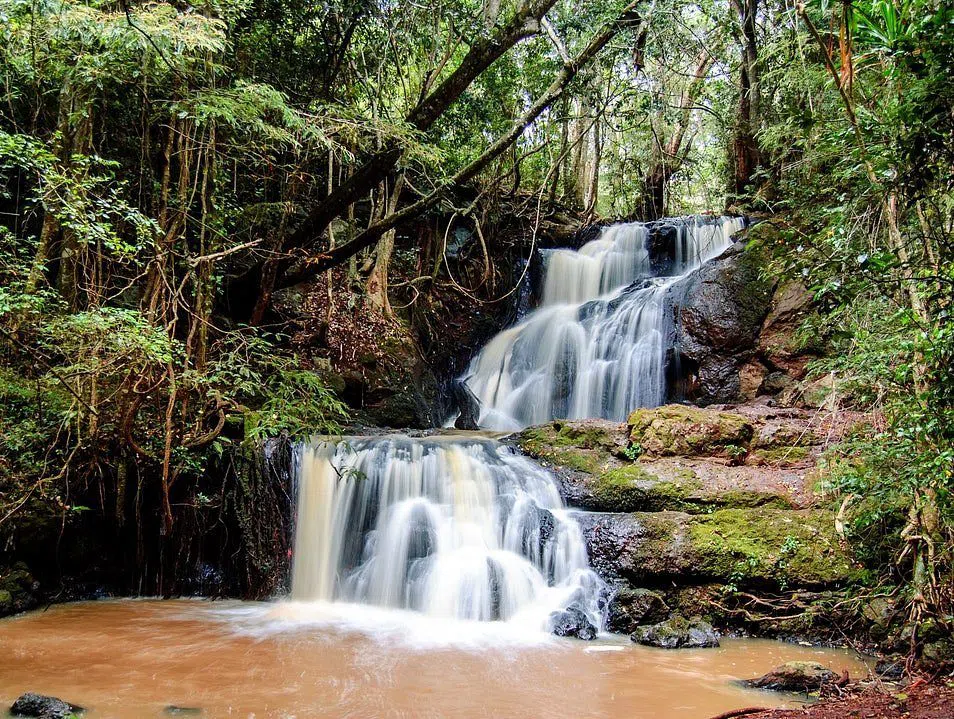
Karura Forest (Gigiri) is a thousand hectares of gated, patrolled forest inside the city, now run by the Kenya Forest Service, with graded trails, a waterfall, caves and a stand of bamboo that muffles the traffic completely. Entry is KES 850 for a non-resident adult and KES 450 for a child, KES 174 for citizens and East African residents, paid per person at the gate. The forest is cashless, M-Pesa or card only, so notes are no use to you here. Bicycles can be hired at Sigiria Gate. Groups of any size are fine; nothing needs booking. Two hours of walking will do more for your body clock than a hotel nap, and it is the cheapest insurance against being half-asleep at a 6am park gate tomorrow.
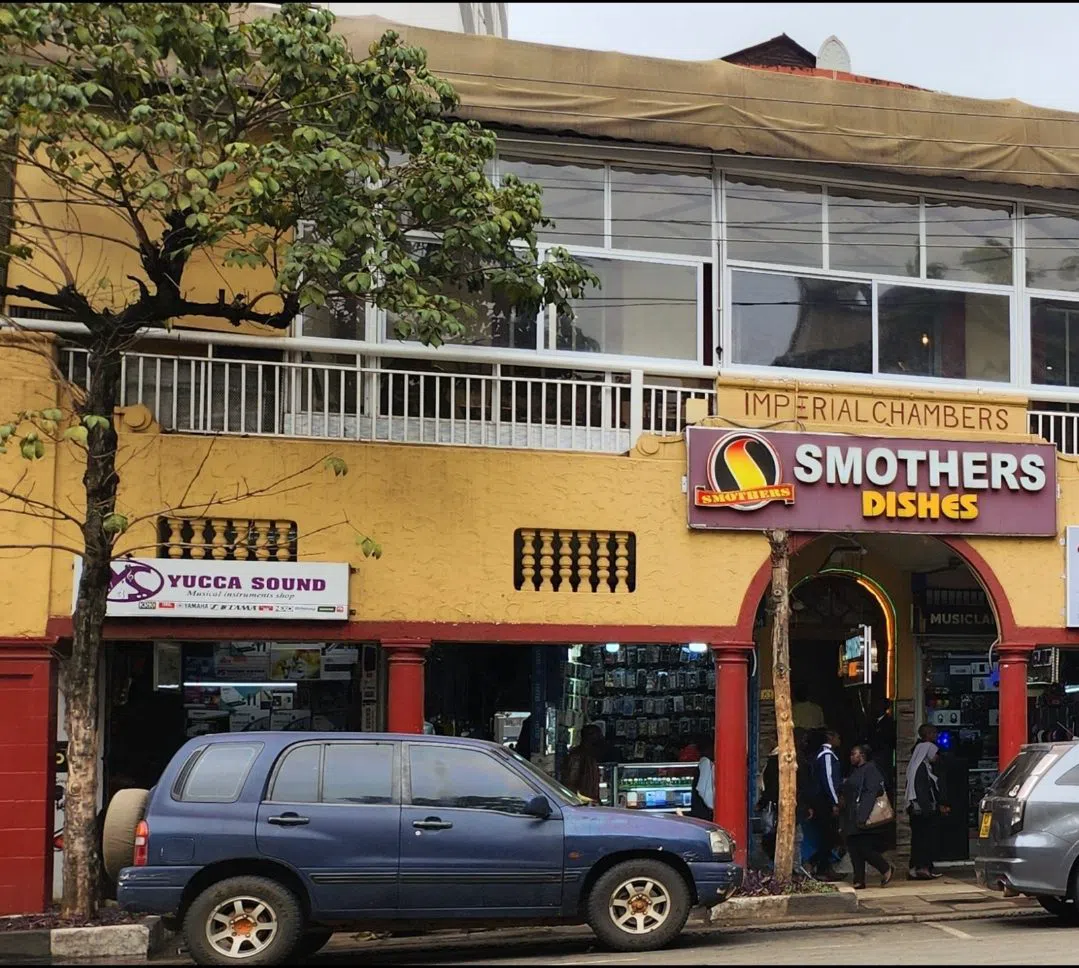
Lunch belongs downtown at K'Osewe Ranalo Foods (CBD, off Kimathi Street), a Lake Victoria kitchen that grew out of a 1970s roadside stall into the centre's most reliable plate of grilled tilapia, ugali and greens. It is canteen style: no reservations, no ceremony, KES 600 to 1,200 a head, and a rooftop level that absorbs larger tables. Arrive before one o'clock or you will queue behind half the surrounding offices. This is the cheapest honest introduction to Kenyan food you will get.
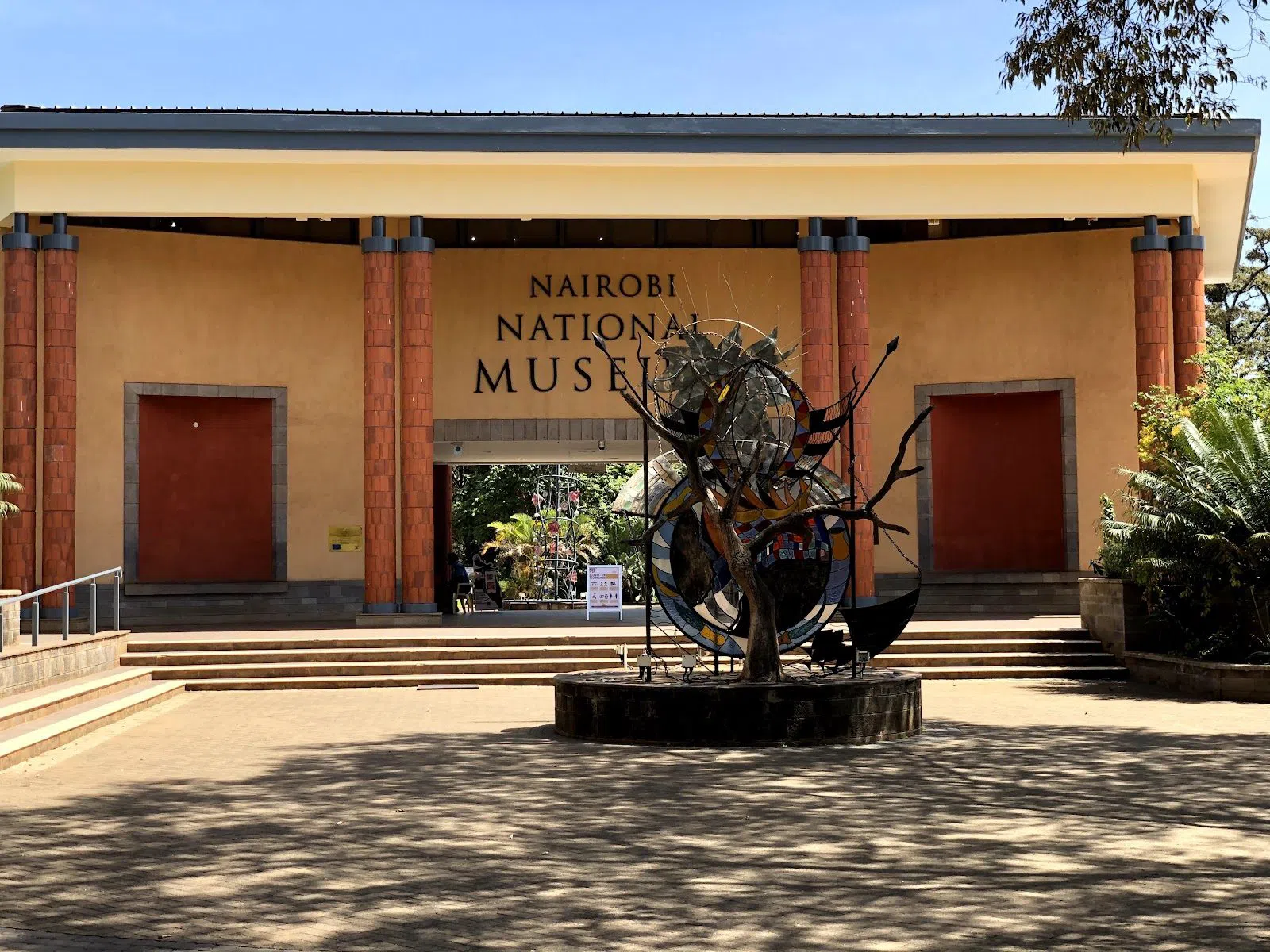
Then a short hop to the Nairobi National Museum & Snake Park (Museum Hill, just north of the CBD). The hominid fossil hall and the Great Hall of Mammals give you the frame of reference every safari guide will assume you already have. The difference between a Thomson's and a Grant's gazelle is a lot more interesting when you met both indoors first. Non-African adults pay KES 2,341 and children KES 1,170; citizens can take the combined museum and snake park ticket at KES 600. Open 8.30am to 5.30pm daily, eCitizen payment only. Guides are available on request, large parties are routine, and the combined ticket is the simplest way to keep a group moving as one.
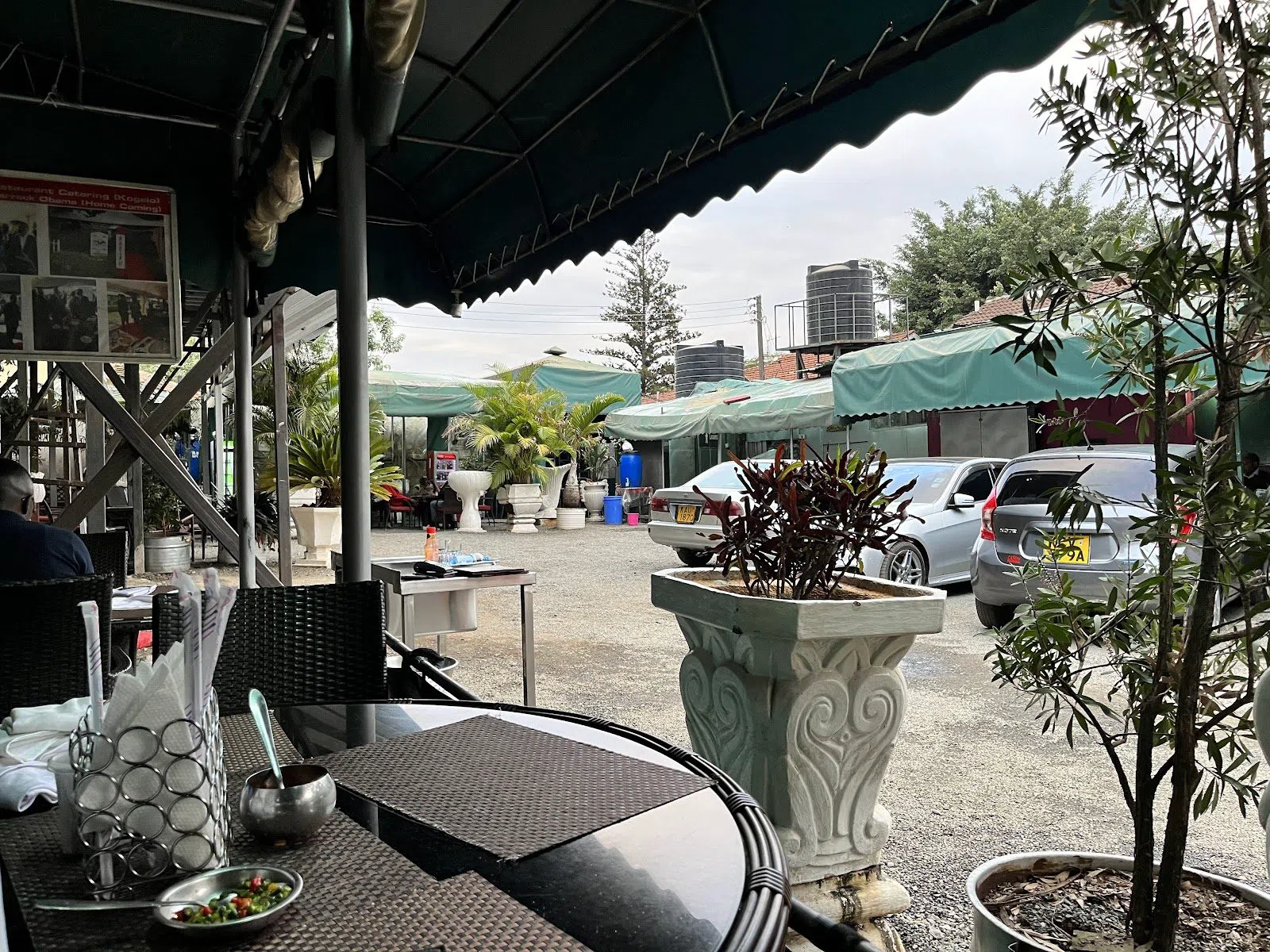
Eat at Mama Oliech Restaurant (Kilimani) in the evening: the city's benchmark whole tilapia, dry-fry or wet-fry, ordered by the size of the fish and eaten with your hands. KES 1,200 to 2,000 a head. The shaded courtyard handles a group without fuss, but call +254 701 707070 first, because it packs out at both services and the wait when the rush hits is real.
Day two begins at the park gate
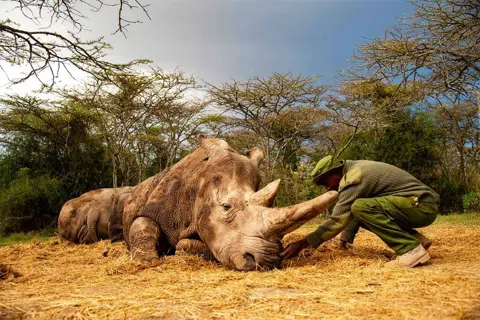
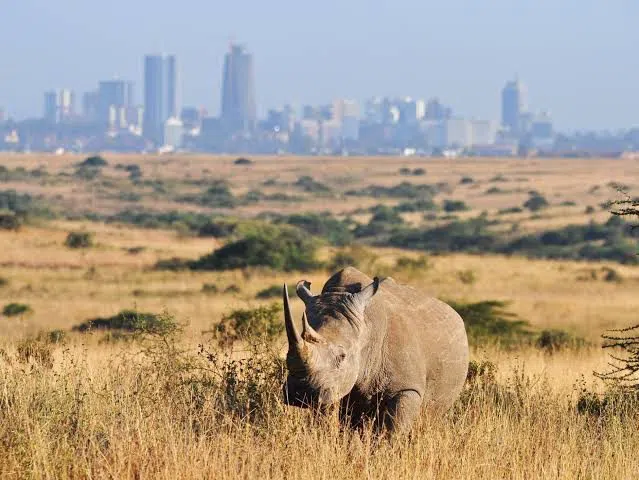
Be at the main gate of Nairobi National Park (Lang'ata Road, about 10 kilometres south of the CBD) when it opens. Non-resident adults pay US$80 per 24 hours plus a vehicle charge; a half-day guided drive with transport included typically runs US$120 to 180 per person, which is the practical way in unless you have your own 4x4. Pay in advance on eCitizen KWSPay (guest checkout works) and carry your passport. You are looking at black and white rhino, lion, buffalo, giraffe and, on a good morning, cheetah on the open plains with the skyline standing behind them. There are no elephants in the park. Groups are fine in a hired safari van, and the roof hatch matters more than the badge on the bonnet. Treat the drive as a warm-up, not a substitute for the Mara.
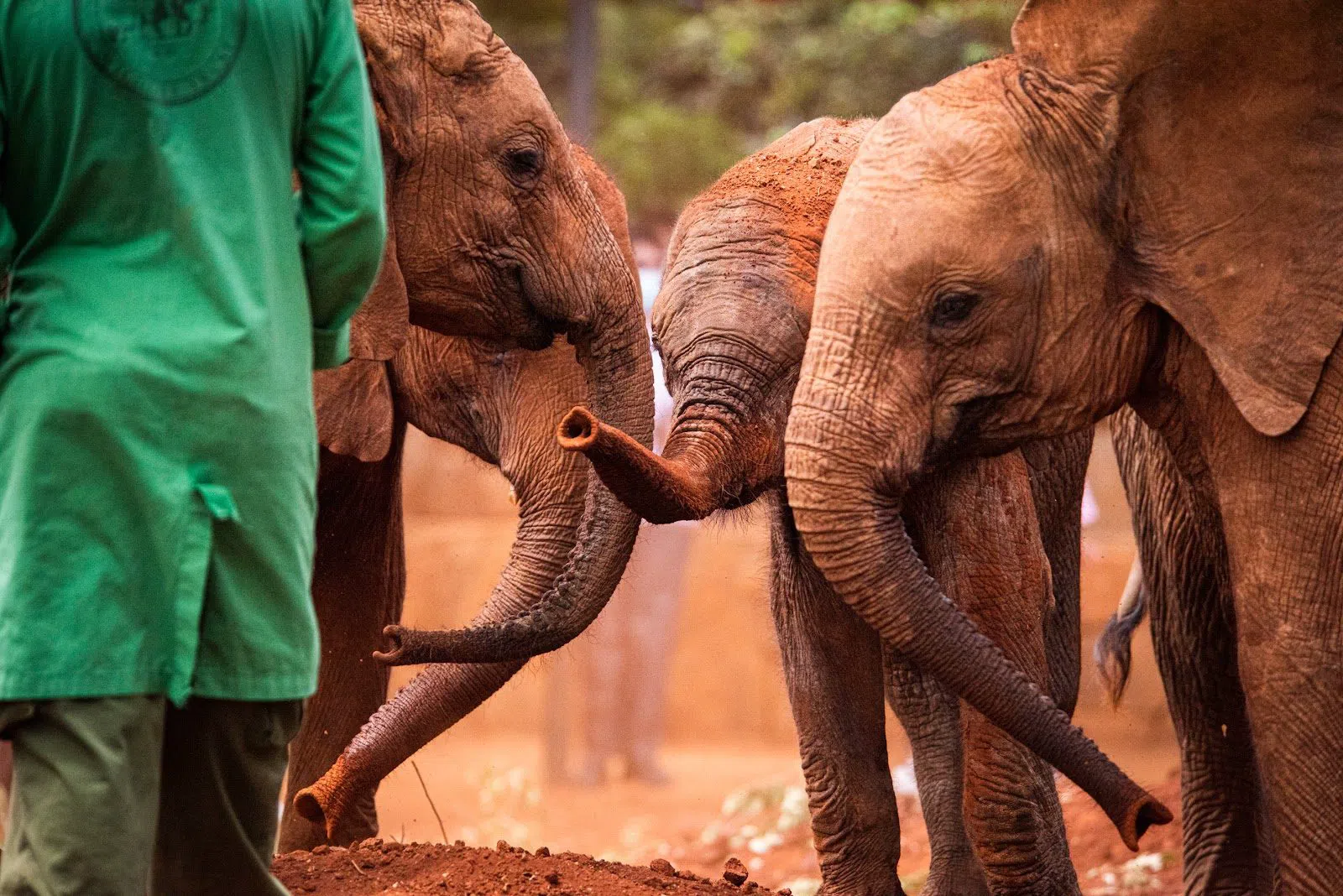
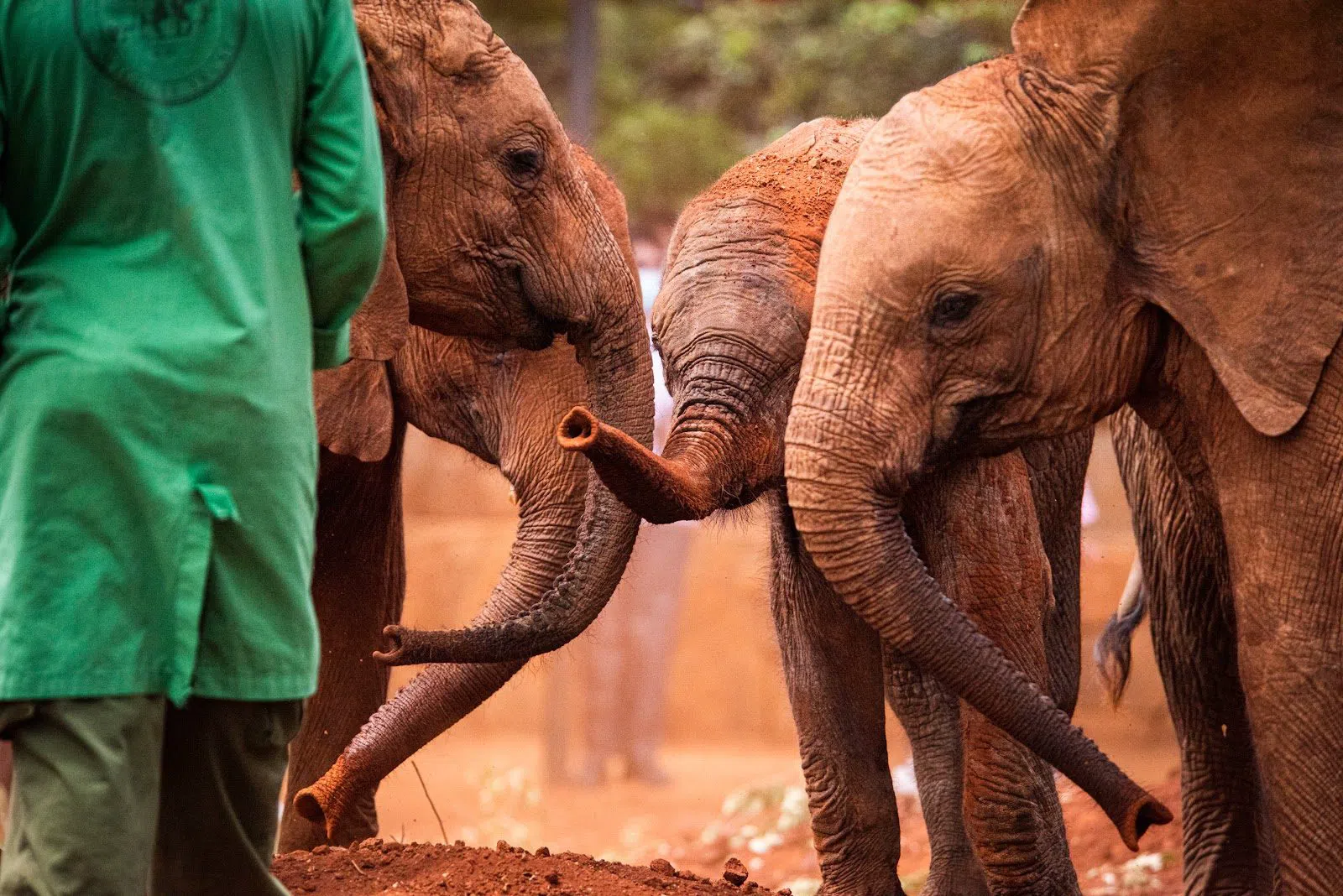
The Sheldrick Wildlife Trust Nairobi Nursery (Lang'ata, inside the park boundary) is the one booking that catches people out. It opens to the public for exactly one hour, 11am to noon, every day except 25 December. Booking is by advance email through the Nairobi office and nothing else. Viator and GetYourGuide bookings are not valid, there are no same-day slots, and capacity is capped, so reserve the exact headcount you will actually bring. The donation is US$20 per adult and US$5 per child, in cash on the day, plus a separate KWS gate fee for the park itself. Budget for that gate fee even if you drove the park at dawn, and have your driver confirm it at the barrier. Email weeks before you fly; this is not a thing you arrange from the hotel lobby.
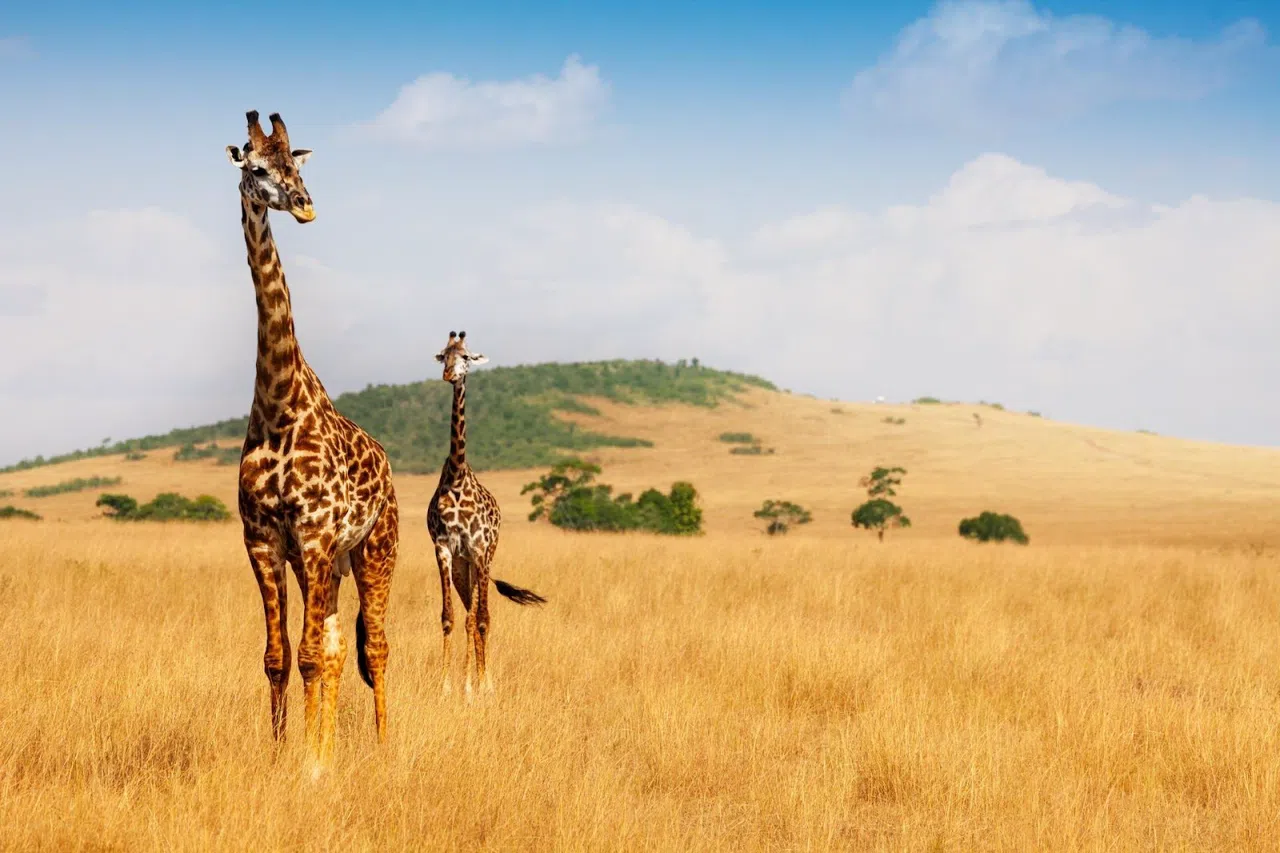
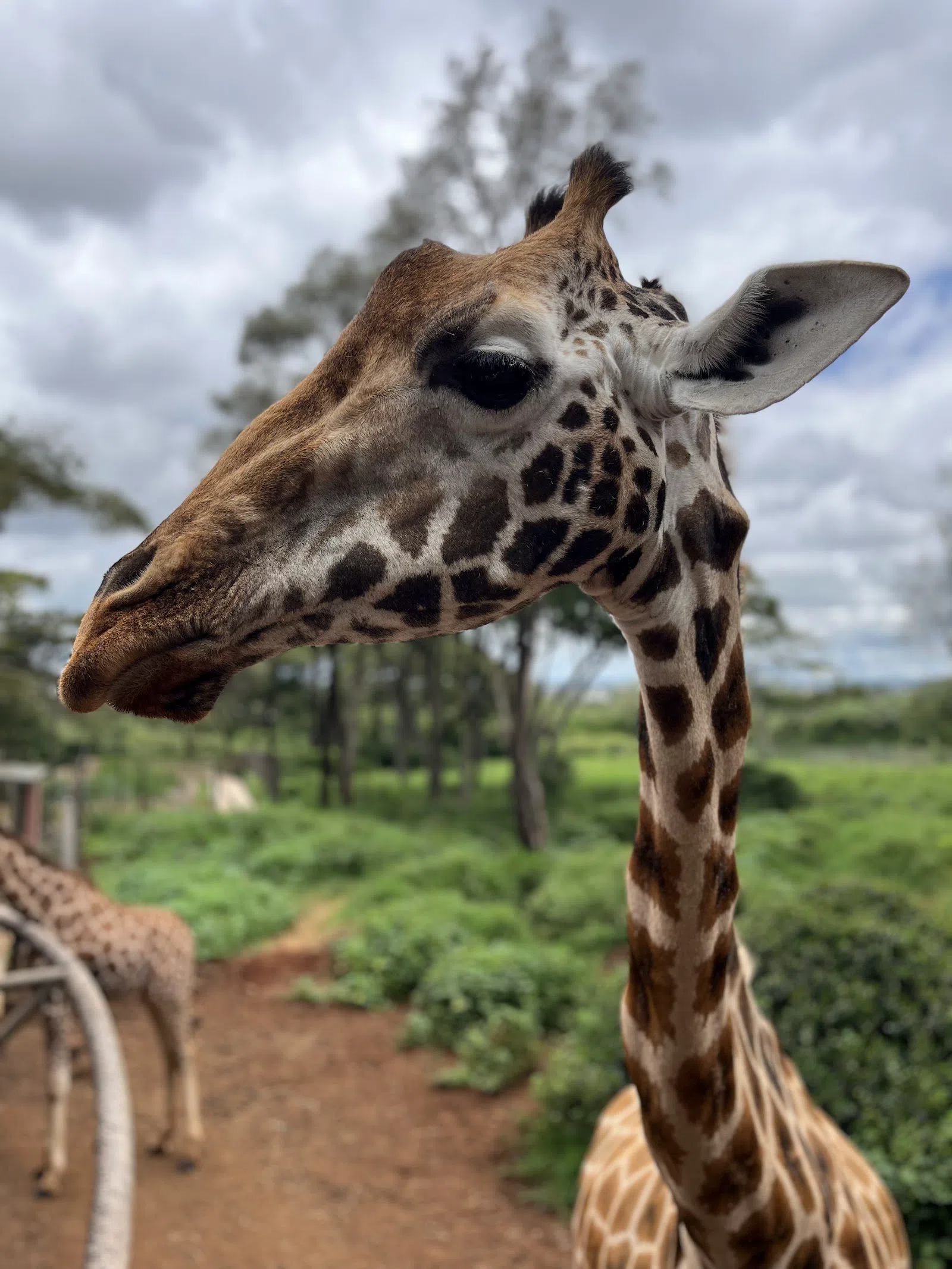
Ten minutes away, the Giraffe Centre (Lang'ata) is the easiest close-contact wildlife hour in the city. It opens 9am to 5pm every day including holidays, and entry is KES 1,500 for a non-resident adult and KES 750 for a child, KES 400 and KES 200 for residents, pellets included. It is fully cashless: card or M-Pesa. Walk-ins are fine, and booked school or education groups go free if arranged at least a week ahead. If you would rather not share the feeding platform with the coach parties arriving straight off the nursery run, go at opening or after four.
The Karen afternoon
Everything above sits within a few kilometres of Karen, so finish the day there rather than driving back into town and out again.
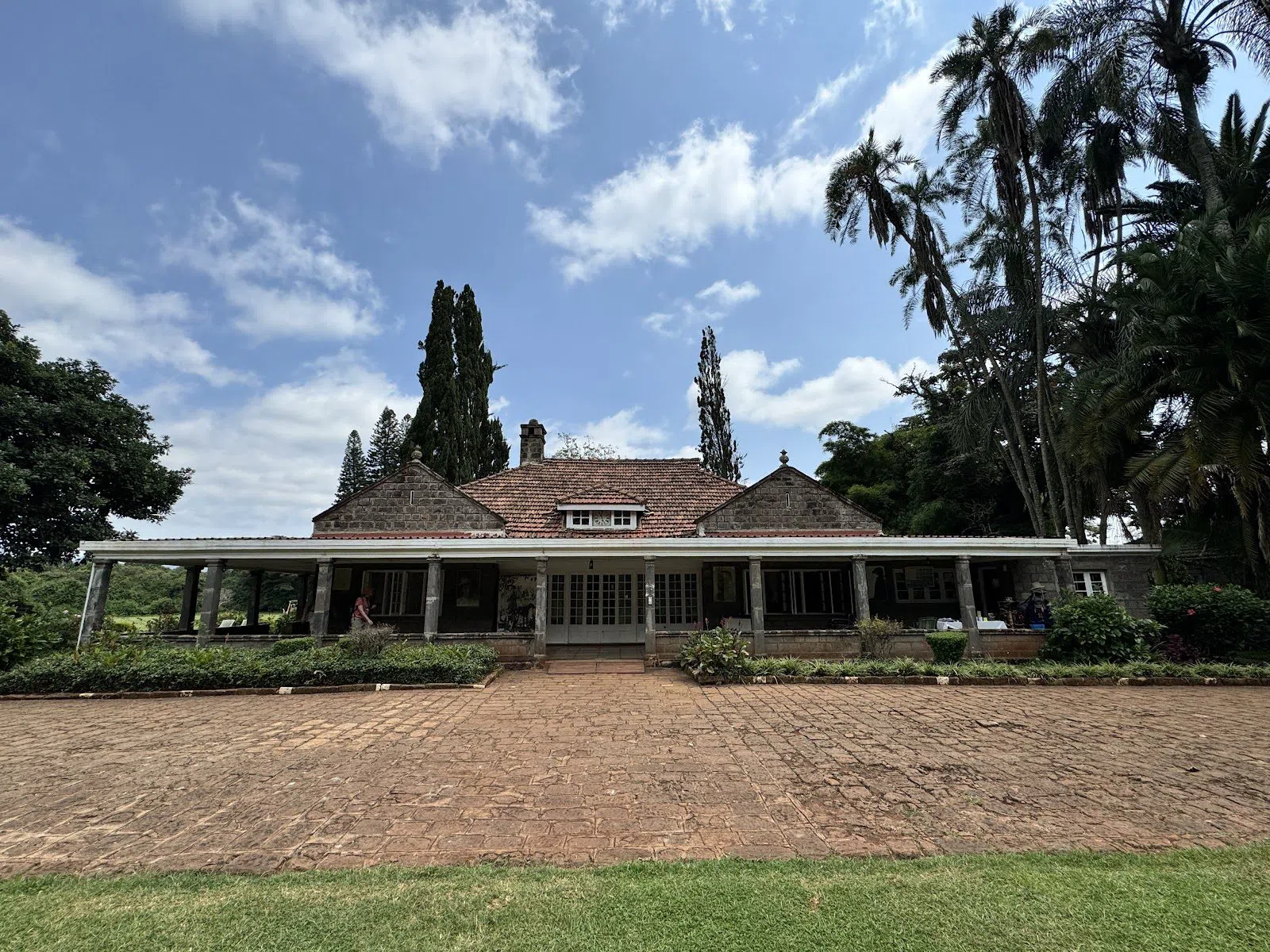
The Karen Blixen Museum (Karen) is the farmhouse at the foot of the Ngong Hills, and every ticket includes a guided walk-through, which means larger parties get split between guides and move at different speeds, so agree a meeting point before you go in. Non-African adults pay US$17 and children US$8; residents and African nationals US$9; citizens KES 550. Open 8.30am to 5.30pm daily including public holidays, ticketed digitally through the National Museums eCitizen portal, with no cash accepted at the gate.
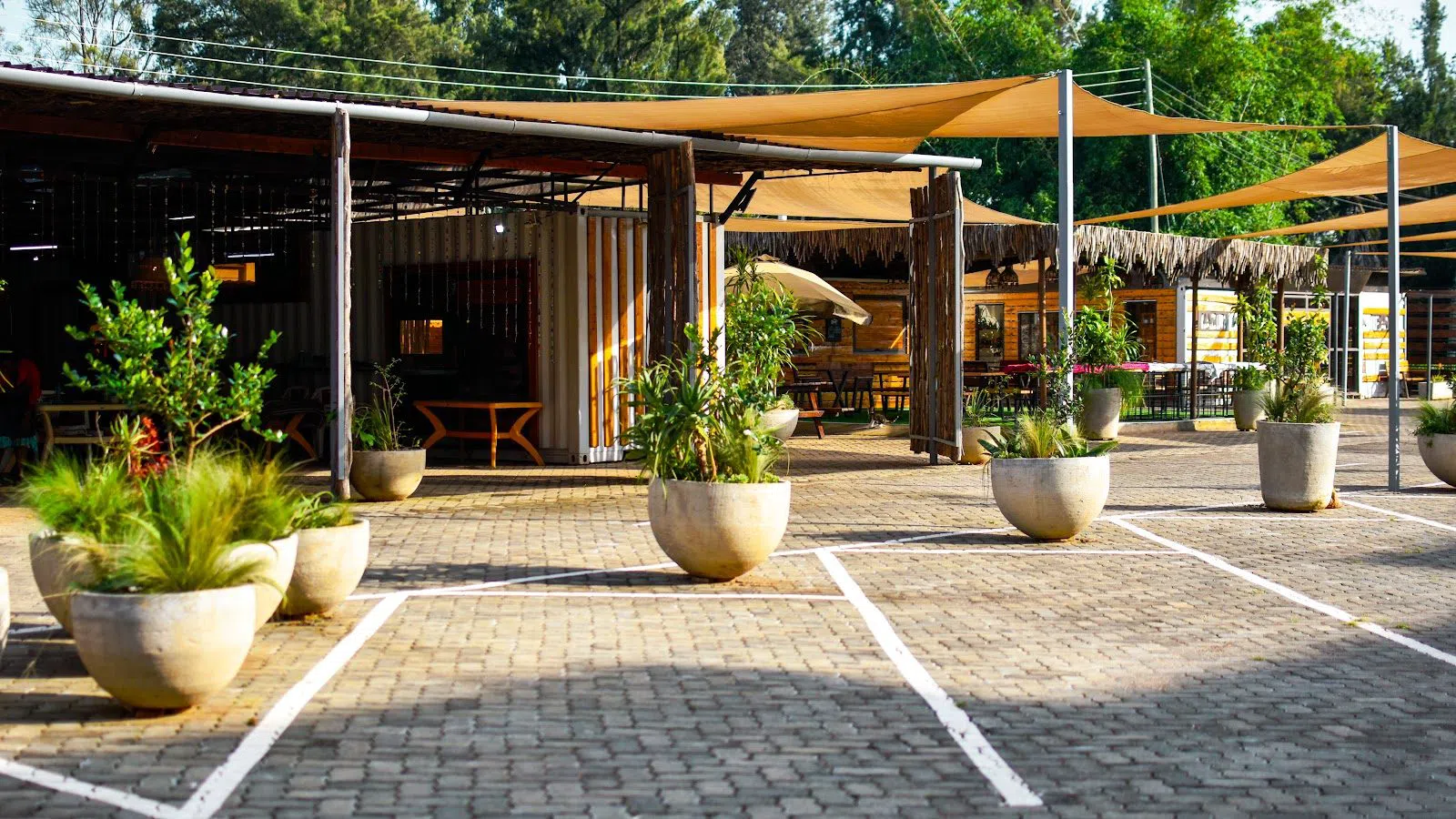
A few minutes on, Kazuri Beads (Karen) runs a free thirty-minute tour from raw clay through the kiln to the glaze table. It was founded in 1975 to employ single mothers and still does exactly that, which makes it the rare craft stop that is a working workshop rather than a shop with a story attached. Necklaces and pottery start around KES 1,500. Open Monday to Saturday, 8.30am to 5.30pm; call 0115214750 ahead for anything larger than a family.
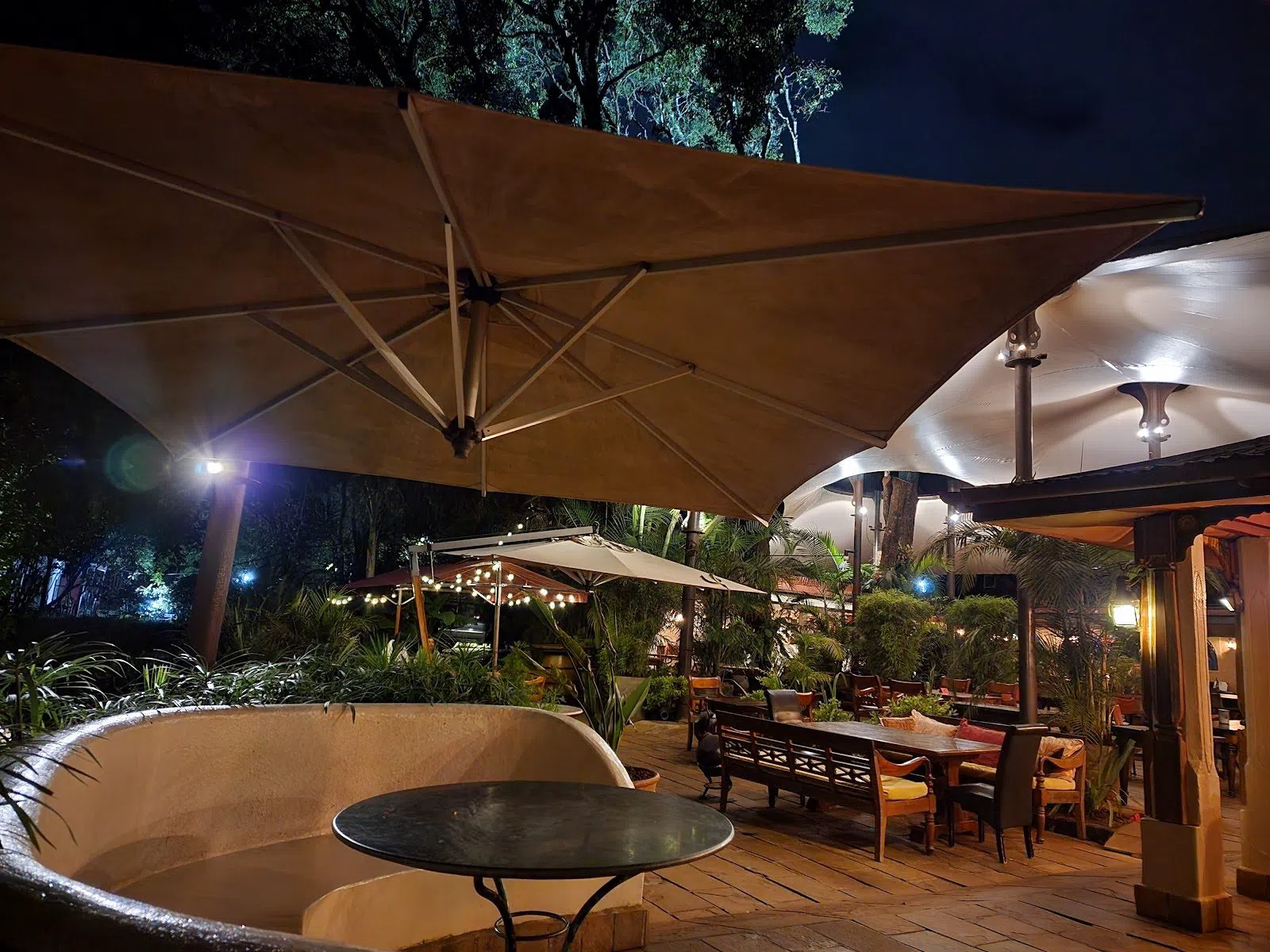
For dinner, The Talisman (Karen) is the safe, good answer: KES 2,500 to 4,500 a head for two courses and a drink, in the garden of what was once the wildlife film-maker Alan Root's house. Groups are accepted with notice, and phoning or emailing is strongly advised, because the garden fills nightly. The kitchen runs Tuesday to Friday 11am to 10pm, Saturday 9am to 10pm and Sunday 9am to 9pm, and it is closed on Mondays, worth checking against your arrival date before you build the day around it.
Day three on foot in the centre
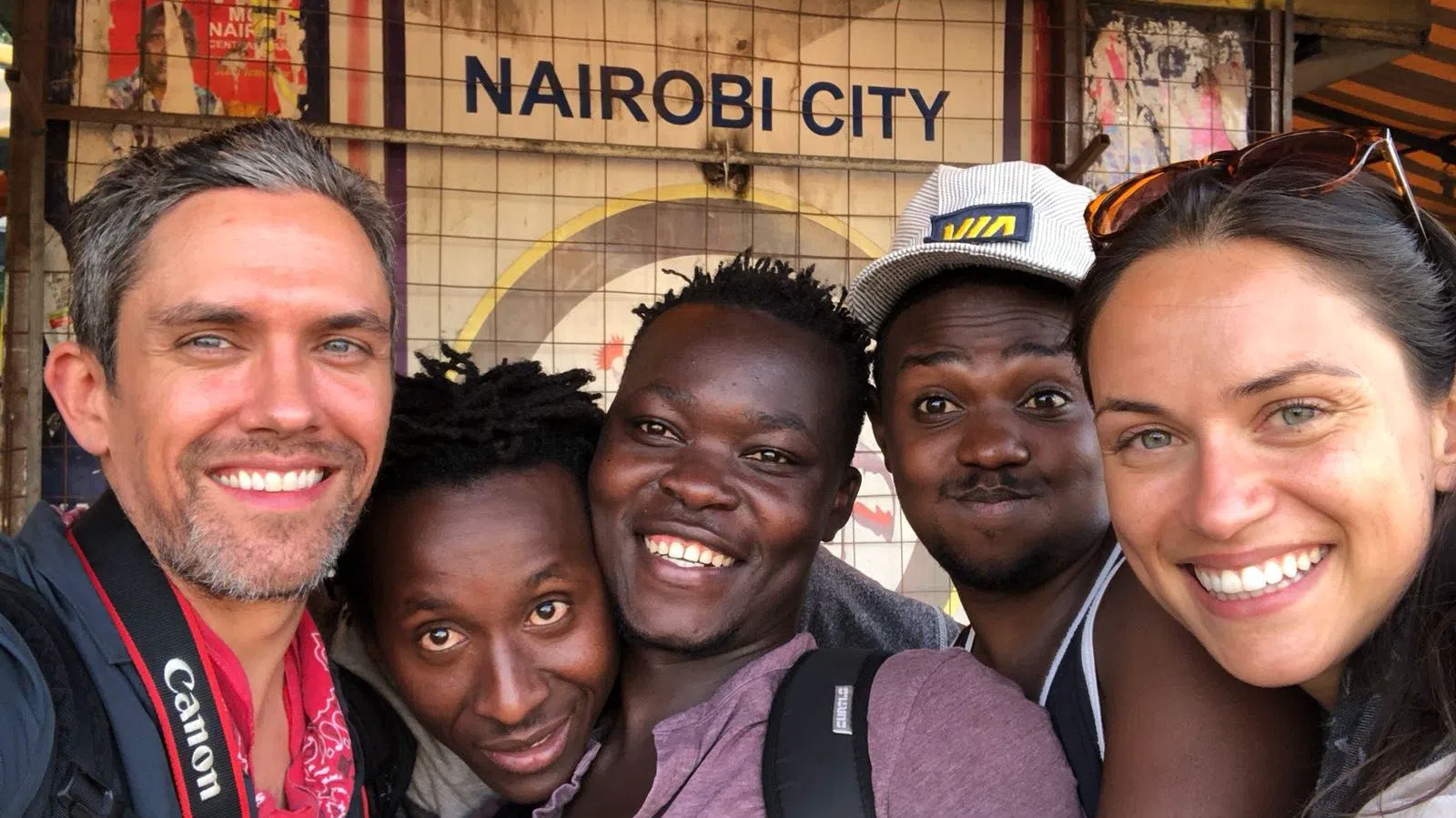
Start with Nai Nami (CBD), three hours downtown with guides who grew up on those exact streets. US$37 per person, lunch and soft drinks included, booked online in advance with free cancellation up to 24 hours out; it runs for small private groups as well as mixed ones. It is the strongest way to see the centre on foot, and it turns the CBD from something you are warned about into somewhere you can navigate for the rest of the day.
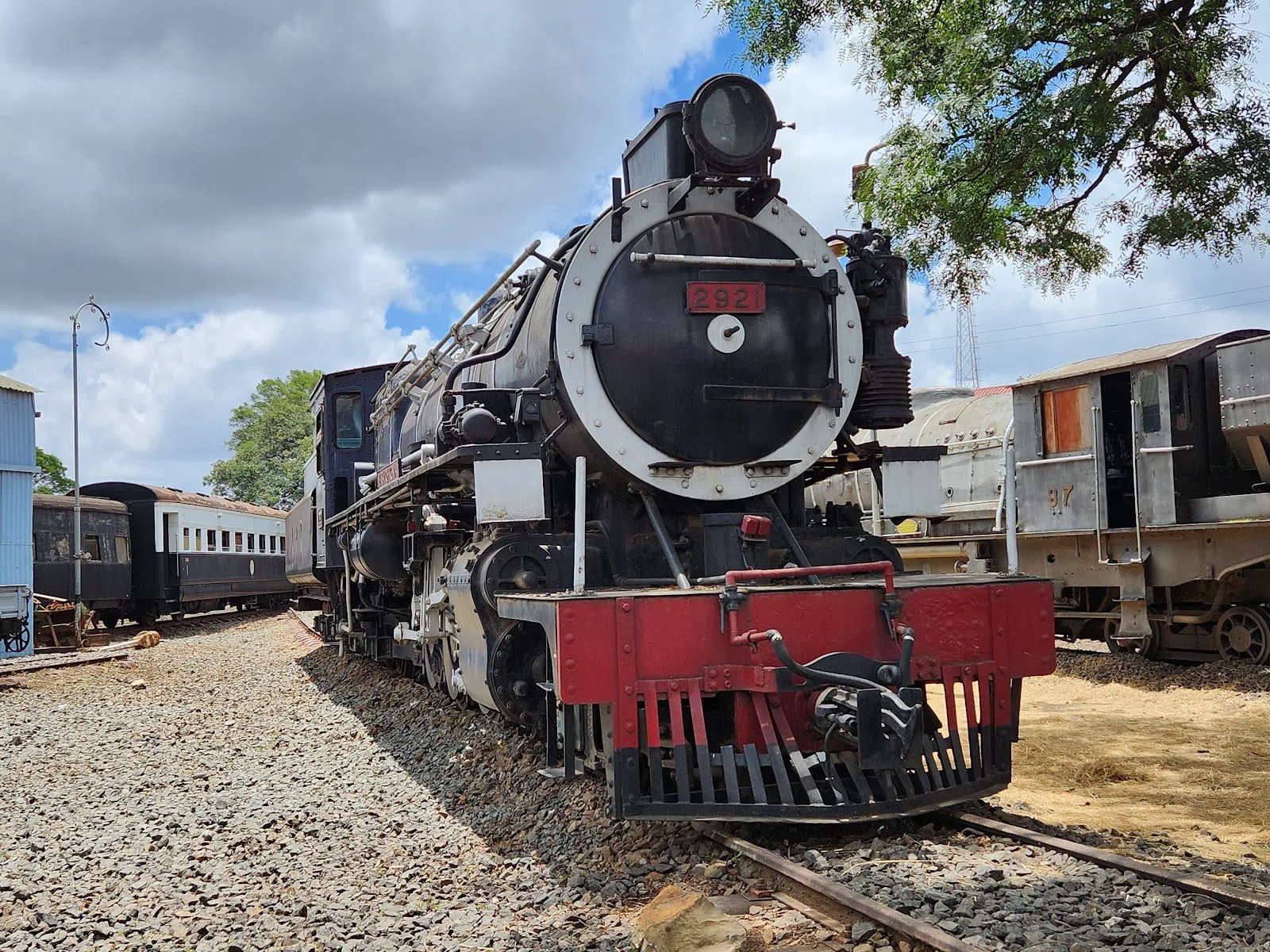
Afterwards, the Nairobi Railway Museum (western edge of the CBD, beside the old station) explains why the city is here at all. Ten-plus preserved locomotives, the Lunatic Express story, and a yard that is scruffy and visibly under-funded but entirely the real thing. KES 600 for a non-resident adult, KES 300 for a child, open daily 8.30am to 5.30pm, with on-site parking and picnic areas if your group arrives together.
Markets and one long detour
Maasai Market (rotating; enclosed at Village Market in Gigiri on Wednesdays and Fridays) moves by day of the week: Monday at Capital Centre, Tuesday on Kijabe Street, Wednesday and Friday at Village Market, Thursday at The Junction, Saturday in the High Court car park, Sunday at Yaya Centre. Confirm the location on the morning, as it shifts with events and security. Entry is free, no booking, groups fine. Bargain hard: expect to land at roughly a third of the opening price, and do it cheerfully. The Gigiri edition is the calmest for a first visit.
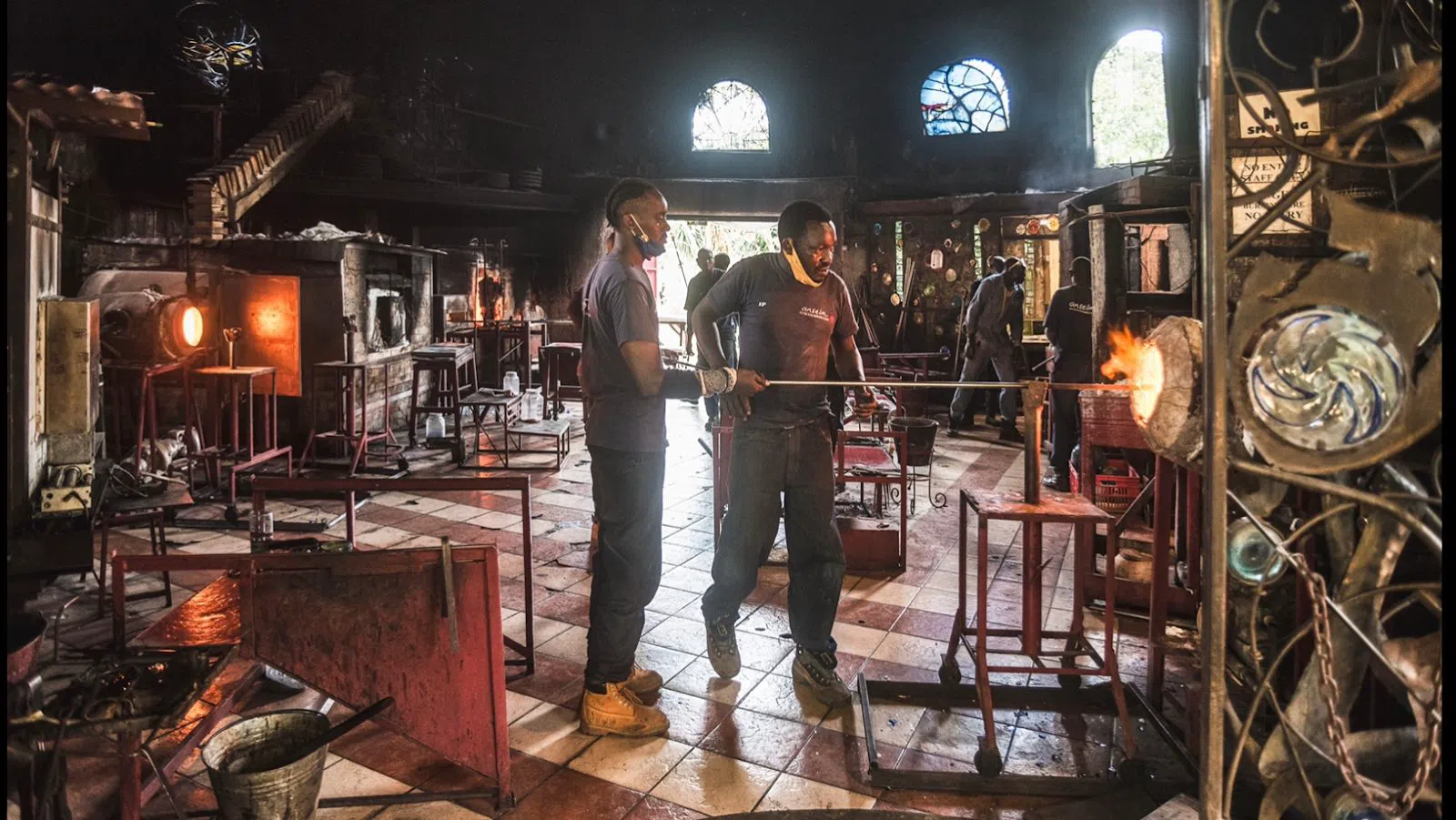
If you have a genuinely free half-day, a late flight out or a fourth morning, Kitengela Hot Glass (on the southern boundary of the national park) is worth the drive, and it is a full hour from the centre in traffic each way. Anselm Croze's recycled-glass compound is a Gaudi-ish sprawl of mosaic and blown glass, free to wander, with guided glass-blowing tours around KES 1,500 to 3,000 and a pool at KES 500 for adults. Glassblowing runs Tuesday to Saturday 8am to 4.30pm and Sunday to Monday 9am to 1pm; private tours with a demonstration can be arranged in advance for a group. Do not squeeze it into a day that already has a park gate in it.
Tables worth planning around
Two more restaurants, at opposite ends of the same city.
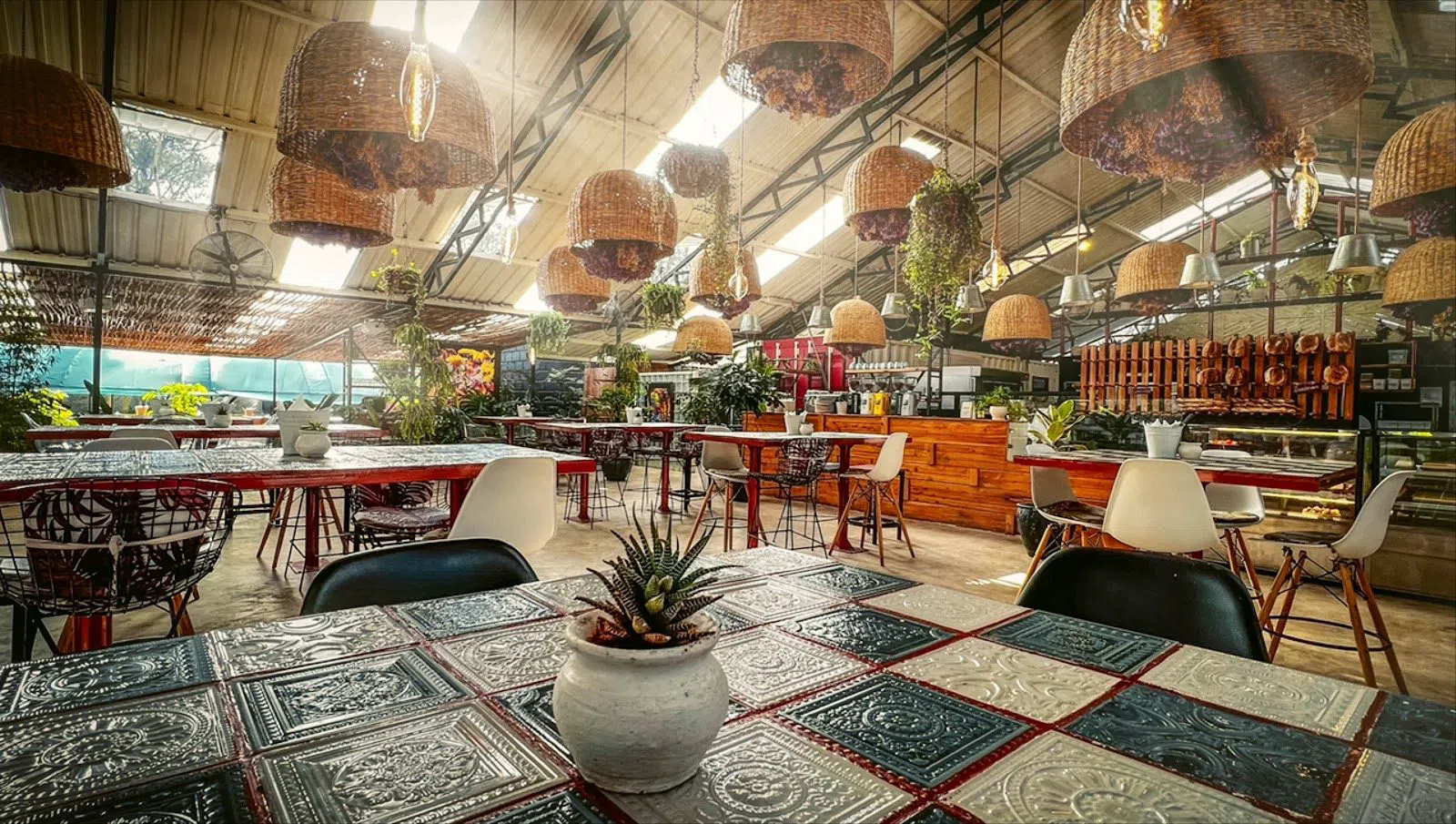
Cultiva Kenya (Karen) is the most serious cooking in this part of Nairobi and a World's 50 Best Discovery listing, with the menu grouped as Hunter, Gatherer, Farmer and Fisher and rewritten around what the farm cuts that week. KES 3,500 to 6,000 a head. The dining room is small and seating is limited, so this is a table for two or four, not twelve; a group needs to reserve well ahead by phone, Eat App or EatOut. It opens Tuesday from noon to 10pm and Wednesday to Sunday 8am to 10pm.
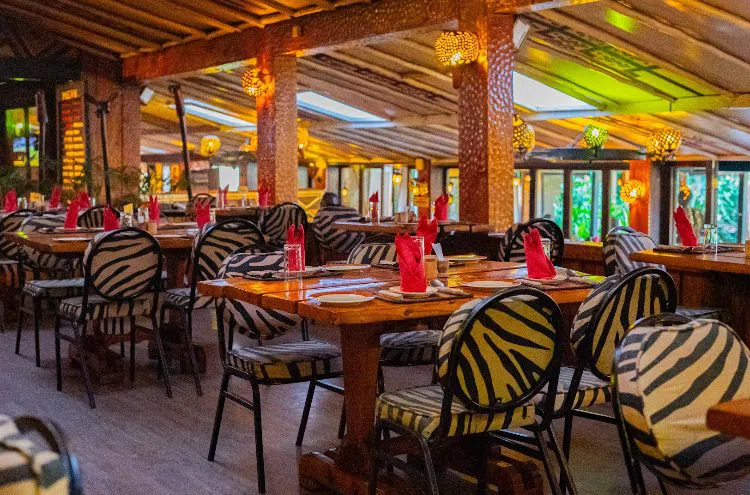
The Carnivore Restaurant (Lang'ata) is the opposite proposition and honest about it. Coach parties, birthdays and safari groups are its core trade. KES 4,950 fixed price buys the full Beast of a Feast, soup through roasts to dessert and coffee, drinks extra, with the paper flag on your table staying up until you surrender. It is touristy and unapologetic, but the charcoal work is genuinely good and a fixed price makes a large table painless. Book online or by email for anything over six. If you are two people wanting a quiet dinner, go elsewhere.
Practical notes
Nairobi is further along on cashless payment than most visitors expect. Karura, the Giraffe Centre, the Blixen house, the national museum and the park gates are all card, M-Pesa or eCitizen, and several take no cash at all. The Sheldrick nursery donation is the exception and must be cash in US dollars on the day. Get a local SIM with M-Pesa at the airport if you can; it removes most of the friction.
Only three things genuinely need advance action: the Sheldrick nursery, weeks ahead by email; your park entry on eCitizen KWSPay; and a table at Cultiva or The Talisman. Everything else in this itinerary takes walk-ins.
Gates and museums mostly run 8.30am to 5.30pm, and dark falls fast around 6.30pm year-round at this latitude. Sunday mornings are the only time the roads are genuinely quiet, so use them for anything far out. Mondays close The Talisman and shorten the glass studio.
Carry your passport for the park, a jacket for the evenings, and sunblock, because 1,795 metres burns you faster than the temperature suggests.
Excluding your hotel, this three-day route runs roughly US$250 to 400 per person: the guided park drive is the single largest line at US$120 to 180, entries add up to about US$60 to 90, and meals range from KES 600 at a canteen lunch to KES 4,950 for the fixed-price feast. Skip the guided drive and do the city on foot and it comes in well under half that.
Before you go
How many days do you need in Nairobi before a safari?
Three full days is the right length. One for a forest walk and the national museum while jet lag clears, one for the national park at dawn plus the elephant nursery and the Giraffe Centre, and one for the city centre on foot. Two days works if you drop the CBD walking tour; one day means choosing between the park drive and the animal stops, because the nursery only opens 11am to noon.
Do I need to book the Sheldrick elephant nursery in advance?
Yes, and only by email through the Sheldrick Wildlife Trust's Nairobi office. Capacity for the 11am to noon public hour is capped and there are no same-day slots. Bookings made through Viator or GetYourGuide are not valid. Reserve the exact headcount you will bring, weeks before you travel. The donation is US$20 per adult and US$5 per child in cash on the day, plus a separate KWS park gate fee.
Is Nairobi National Park worth doing if I am going on safari anyway?
It works as a warm-up, not as a substitute for the Mara. It is the only big-game park inside a capital city, with black and white rhino, lion, buffalo and giraffe against the skyline, and there are no elephants. Entry is US$80 per non-resident adult per 24 hours plus a vehicle charge, or US$120 to 180 per person for a half-day guided drive with transport.
How do I pay for attractions in Nairobi?
Mostly digitally. Karura Forest, the Giraffe Centre and the park gates take card or M-Pesa. The Karen Blixen Museum and the Nairobi National Museum sell tickets through the National Museums eCitizen portal, with no cash at the gate. You pay park entry in advance on eCitizen KWSPay, where guest checkout works. The Sheldrick nursery donation is the main cash-only exception.
What does three days in Nairobi cost per person, excluding hotels?
Roughly US$250 to 400 on this itinerary. The guided park drive is the biggest single item at US$120 to 180. Entry fees total about US$60 to 90 across the park, nursery, giraffes, both museums and the forest. Meals run from KES 600 to 1,200 at K'Osewe up to KES 4,950 for the fixed-price menu at The Carnivore. Dropping the guided drive brings it well under half.