The Nairobi issue
Which Part of Nairobi to Sleep in on a First Trip
Westlands, Karen, Gigiri or the park edge: a distance-first look at where to base yourself in Nairobi, and what each area costs you in time and money.

By Lukas BrandtNairobi neighbourhood by neighbourhood, on foot and by matatu
Nairobi sits at roughly 1,795 metres above sea level, which is why you want a jacket after dark on the equator and why the light goes long and gold by five in the afternoon. It is also a city where the distance between two addresses tells you almost nothing: eight kilometres can be twenty minutes or an hour and ten, depending entirely on which side of the rush you set off. So the first decision of a first trip here is which part of the city you are willing to be stuck in. The hotel follows from that.
How the city is arranged
Start with the centre. The CBD is a compact grid of early-1900s streets and 1970s towers around Kenyatta Avenue, with the National Museum on the rise just to its north. Westlands is about five kilometres north-west, a commercial district that grew out of a 1950s shopping parade and now holds most of the city's newer hotel stock, its malls and a dense run of restaurants. Further north is Gigiri, built around the United Nations complex that opened there in 1976. It is the diplomatic quarter and it feels like one.
West and south-west of the centre are Kilimani and Lavington, older residential suburbs now layered with cafés, embassies and apartment towers. Upper Hill sits directly south of the CBD, close enough that the drive takes minutes rather than planning. Fifteen to twenty kilometres out along Lang'ata Road are Lang'ata and Karen, low-density and heavily treed, laid out across the old coffee and dairy estates west of the city. They are the base for nearly every animal attraction a first-time visitor comes for.
The part that surprises people is that Nairobi National Park begins at the southern edge of the built city, a short drive from downtown, which is why lion sightings and office towers end up in the same photograph. Jomo Kenyatta International Airport is south-east of the centre; Wilson Airport, from which most light safari aircraft leave, is south-west near Lang'ata. The Nairobi Expressway, opened in 2022, runs elevated above the airport highway from JKIA through Upper Hill and out past Westlands. It is tolled, a few hundred shillings for a car depending on how many sections you use, and on a weekday morning it is worth every one of them.
If you want the wider picture of what there is to do once you have a bed, the Nairobi guide covers it. What follows is only the question of where to sleep.
Plan your Nairobi trip
Live prices from our booking partners.
Free cancellation on many rooms. We may earn a commission when you book.
Westlands for walking to dinner
Westlands is the default first-trip answer. It is the one part of Nairobi where you can leave a hotel on foot and reach coffee, dinner and a mall without planning a car around it, and it has the fastest access to the Expressway in both directions.
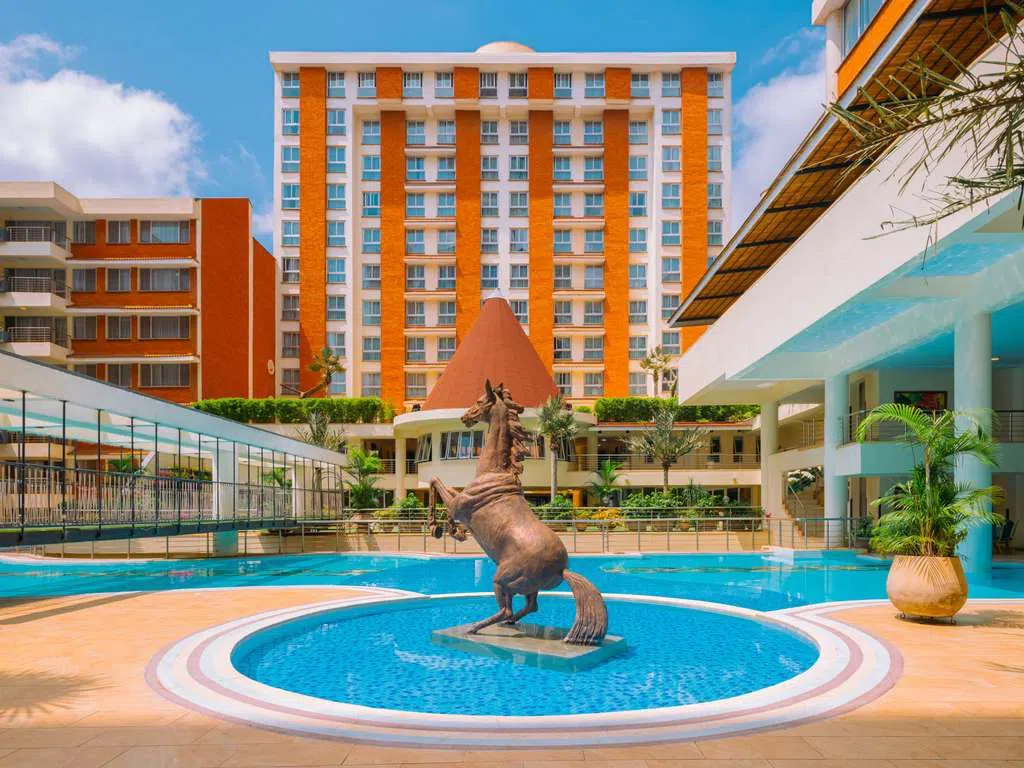
Mövenpick Hotel & Residences Nairobi (Westlands) is the most flexible building in the district: 276 keys, a meaningful share of them one- and two-bedroom residences with full kitchens, plus connecting family rooms, a ballroom and an exhibition hall. Rates run about USD 165 to 280 a night, with residences above that. The kitchens and connecting rooms make it the sane choice for a family or four friends who want to self-cater between safari legs, and the revolving restaurant is a genuinely useful first-night orientation: you watch the city's geography turn past the window and the map finally makes sense.
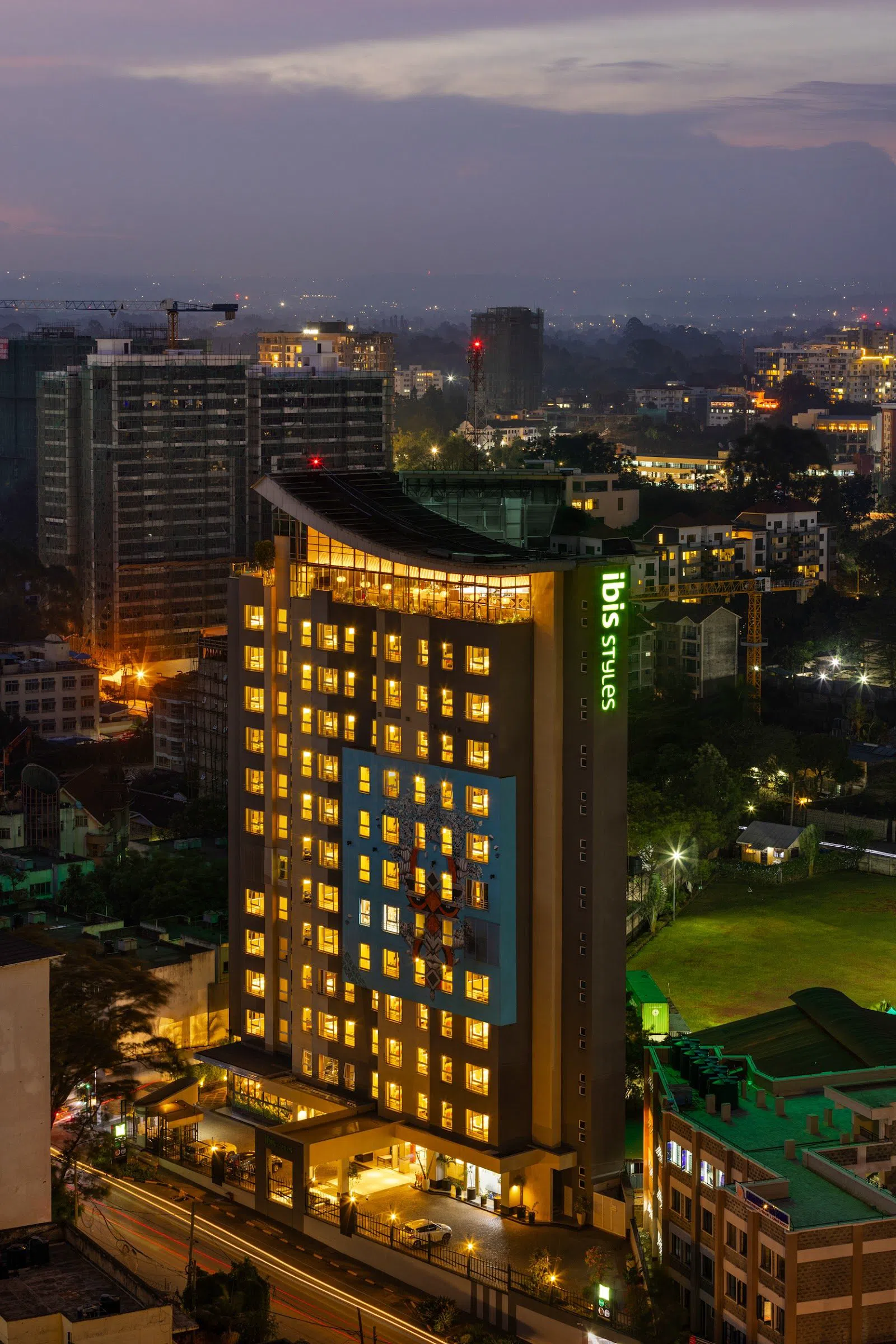
ibis Styles Nairobi Westlands (Westlands) keeps you in the same district without the three-hundred-dollar rate. It has 266 rooms, most sleeping up to three, and five meeting rooms including a solar-powered Green Room, at roughly USD 70 to 120 a night usually with breakfast. You get the same walkable streets and the same Expressway ramp as its five-star neighbours at about a third of the rate. It is a value hotel and does not pretend otherwise, but for a first trip where most days are spent out of the building, that trade is easy.
Lavington and Kilimani for a quieter middle
If Westlands sounds busy and Karen sounds far, the answer is the belt between them.
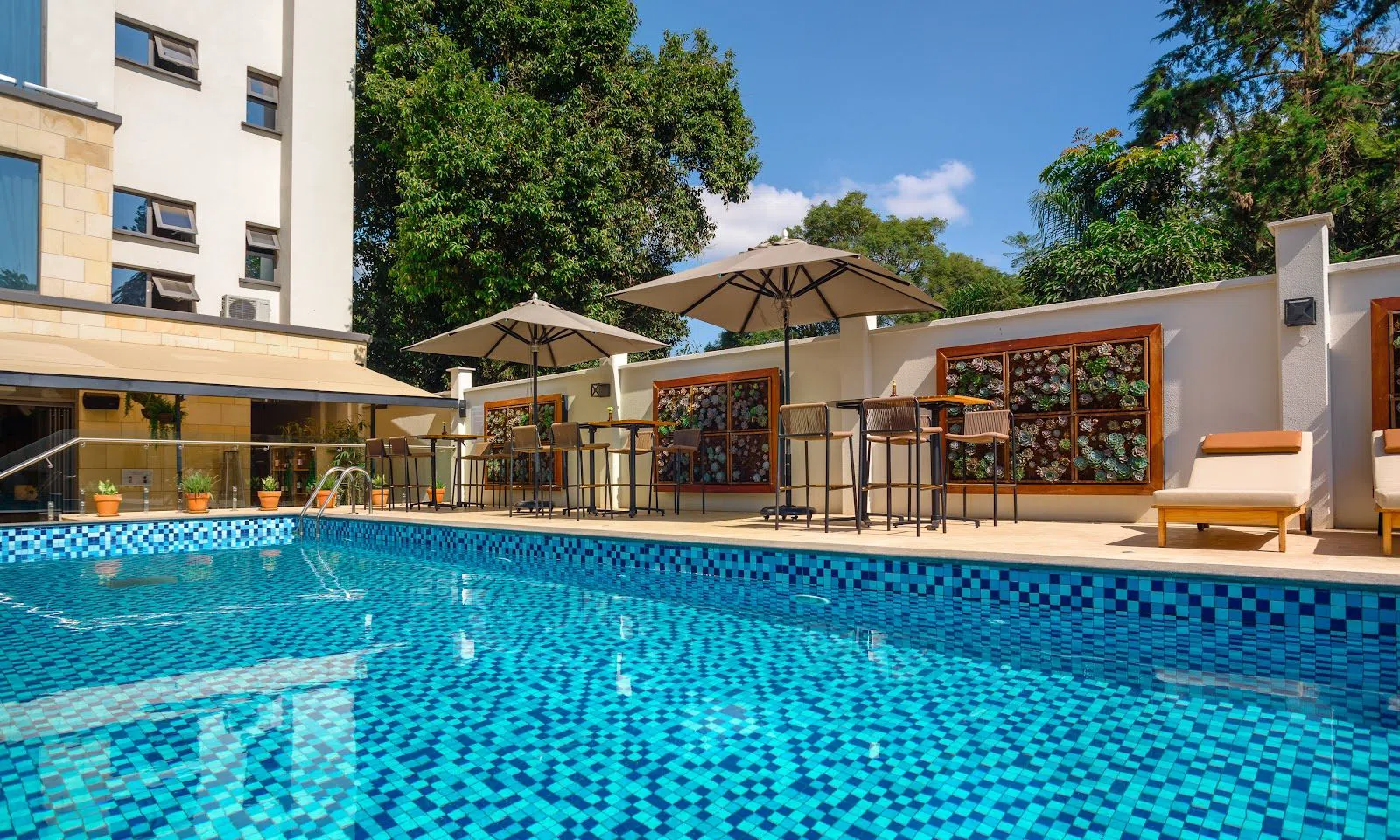
The Social House (Lavington) sits between Westlands and Kilimani with none of either's traffic noise. Its 83 rooms come with four restaurants, seven event spaces, an open-fire grill, a coffee roastery and a rooftop, which between them solve the decision fatigue of the first two nights: you can arrive jet-lagged and simply eat downstairs. Expect USD 120 to 200. The rooftop takes bookings for parties, so if you are a group of eight wanting a table on a Friday, reserve it rather than turning up and hoping; conversely, if you are a couple after a quiet drink, ask what is booked that night before you commit.
Sarova Panafric (Kilimani) is the value option on this side of town: 176 rooms, a large conference floor and gardens that absorb a crowd, at about USD 90 to 160 B&B. The Flame Tree breakfast buffet is set up for early safari departures, which matters more than it sounds when your driver wants you in the car at six. One honest note: the meetings-and-events wing is being expanded until around October 2026. Rooms, restaurants and the wellness centre stay open throughout, but if you are a light sleeper, ask for a room away from the works.
Gigiri when a calm landing matters
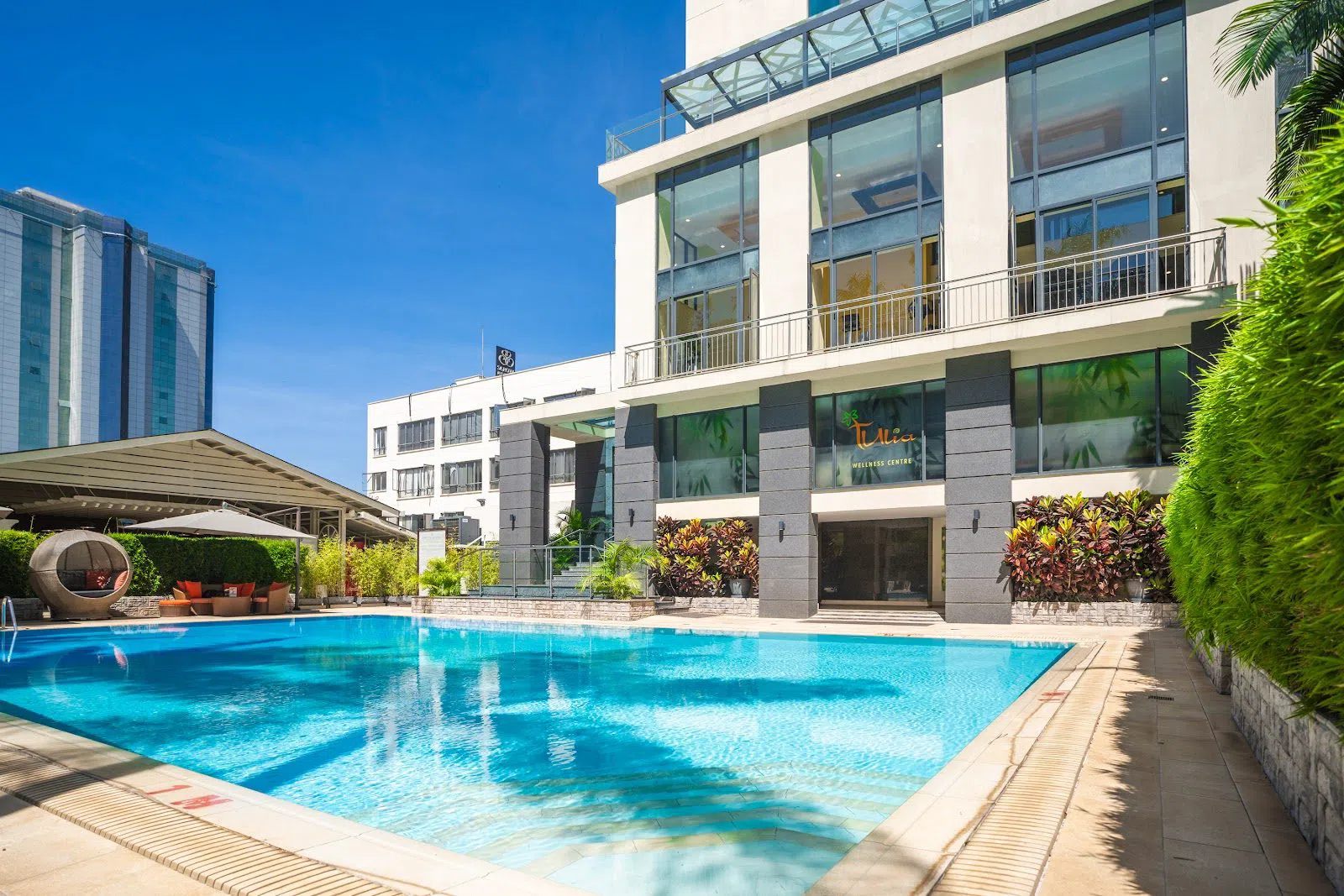
Tribe Hotel (Gigiri) is the calmest first night available in Nairobi. The diplomatic quarter is quiet, heavily patrolled and low-rise, and Tribe's 128 rooms and suites sit next door to the Village Market, which absorbs groups for food, cinema and the Friday Maasai market without anybody having to negotiate a taxi. Rates run about USD 180 to 320. The Jiko kitchen and the Kaya spa justify the extra twenty minutes back into town, and there is event space if you are travelling as a party. The trade is straightforward: you are further from the centre, and every trip downtown is a committed drive rather than a stroll.
The old centre and Upper Hill
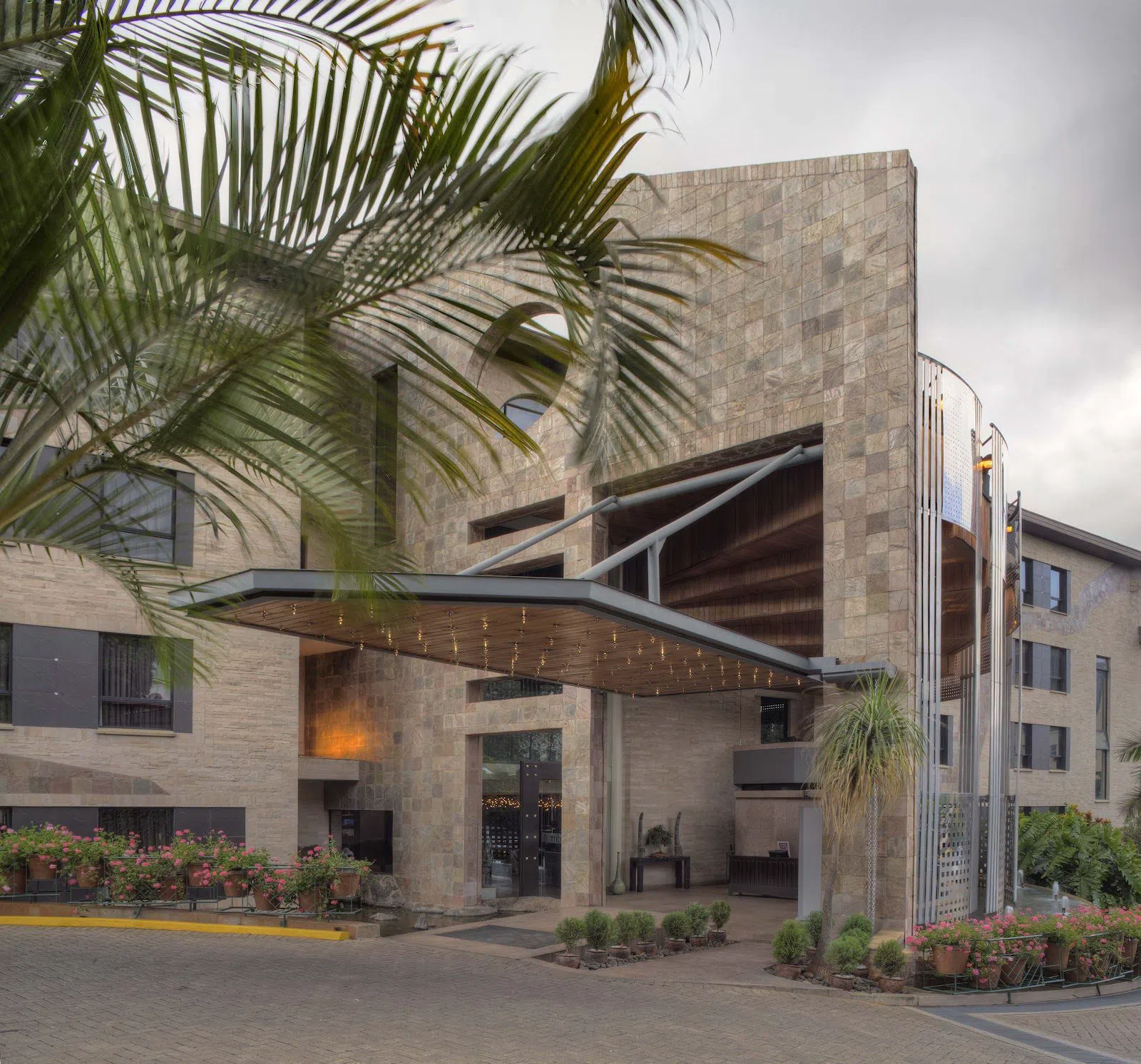
Fairmont The Norfolk (city centre, Harry Thuku Road) is Nairobi's oldest hotel, open since 1904, and still the best central choice for anyone who wants the National Museum and the CBD on foot. It holds 125 rooms and suites, extensive banqueting and conference facilities, a pool and a spa, and it has been handling tour groups and delegations for longer than most countries in the region have existed in their current borders. Roughly USD 250 to 400. The terrace is where a good deal of the city's history actually happened, rather than a reconstruction of it.
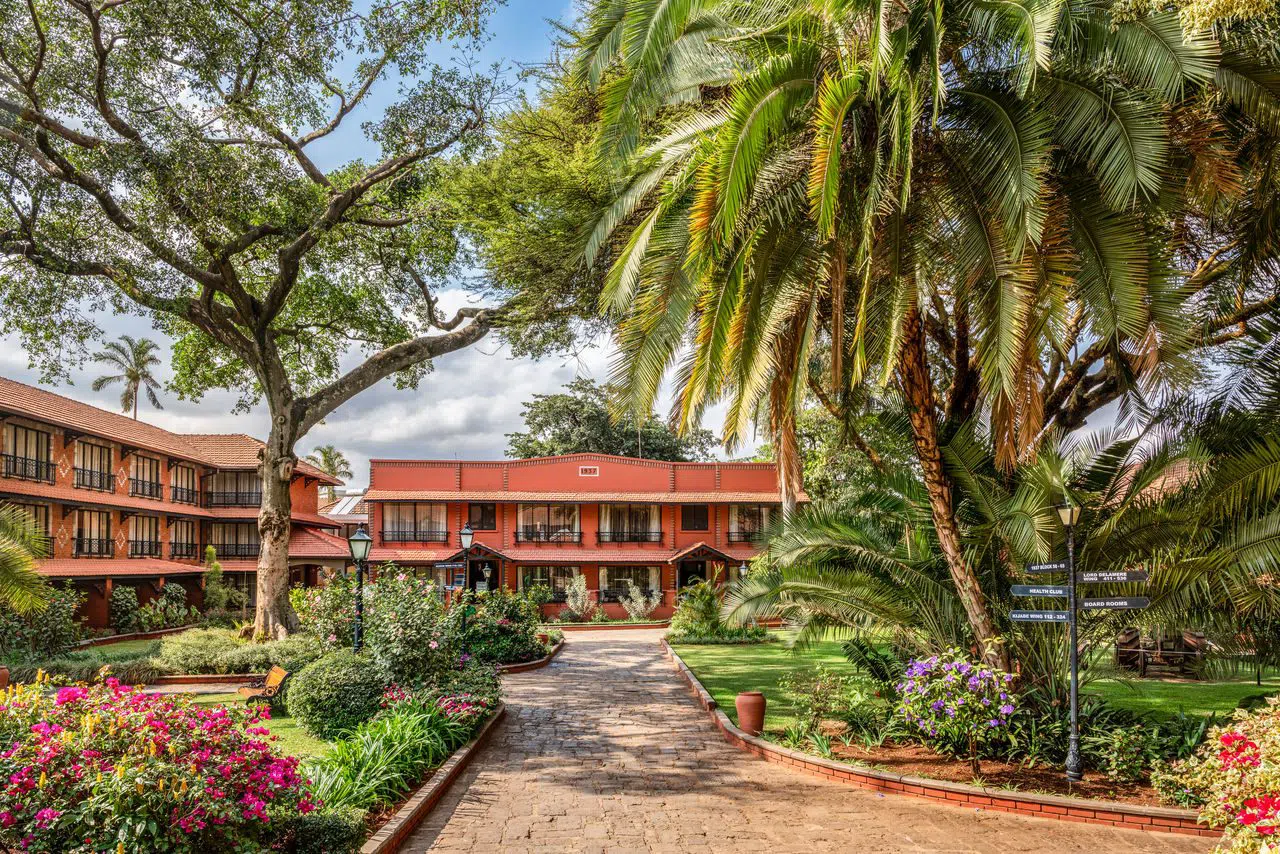
Fairview Hotel Nairobi, Vignette Collection by IHG (Upper Hill) is the quiet counterweight: 99 rooms and suites spread across heritage, garden and Manor House buildings, three restaurants and nine meeting spaces, with gardens large enough to swallow a big party comfortably. About USD 110 to 200 B&B. It has been family-run since 1946 and was rebranded into IHG's Vignette Collection, so search under the current name or you will find stale listings. You are five minutes from the CBD and so far behind the trees that you forget it.
Karen and Lang'ata for the animal circuit
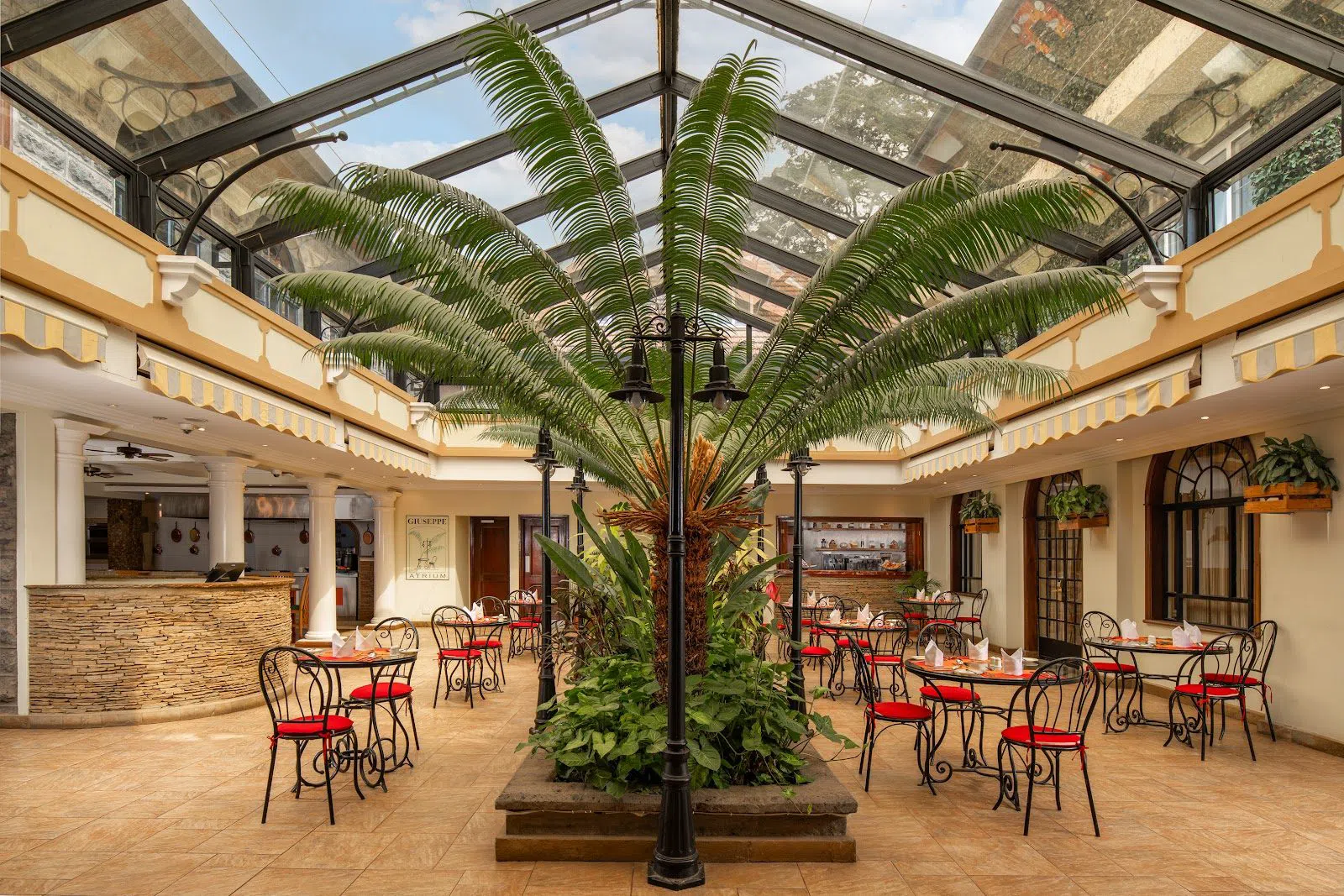
Almost everything a first-time visitor wants to see in a day (the elephant orphanage at Sheldrick, the Giraffe Centre, the Karen Blixen Museum) is clustered out here. Basing yourself in Karen or Lang'ata turns a full day of driving into a series of short hops. The cost is that dinner in Westlands becomes a forty-minute commitment each way.
Hemingways Nairobi (Karen) is the benchmark for the area: 45 all-suite rooms with full butler service, a brasserie, a sunset bar and a spa, at USD 450 to 700 a night for a suite with breakfast. It takes small groups and families well and does private dining in an exclusive-use style. It is the right base if your trip is bookended by safari flights out of Wilson, since the airfield is close and the whole Karen circuit is a short drive.
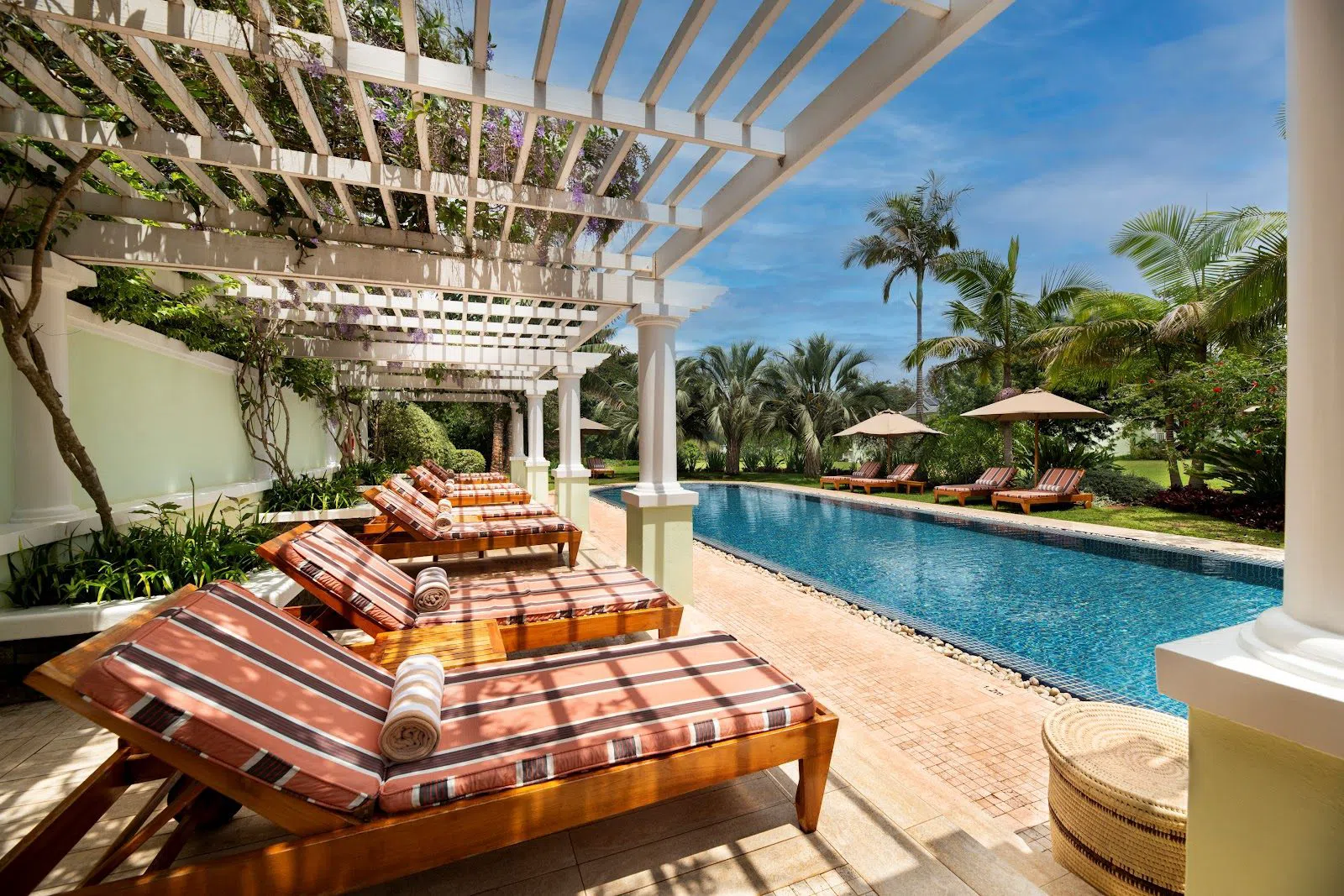
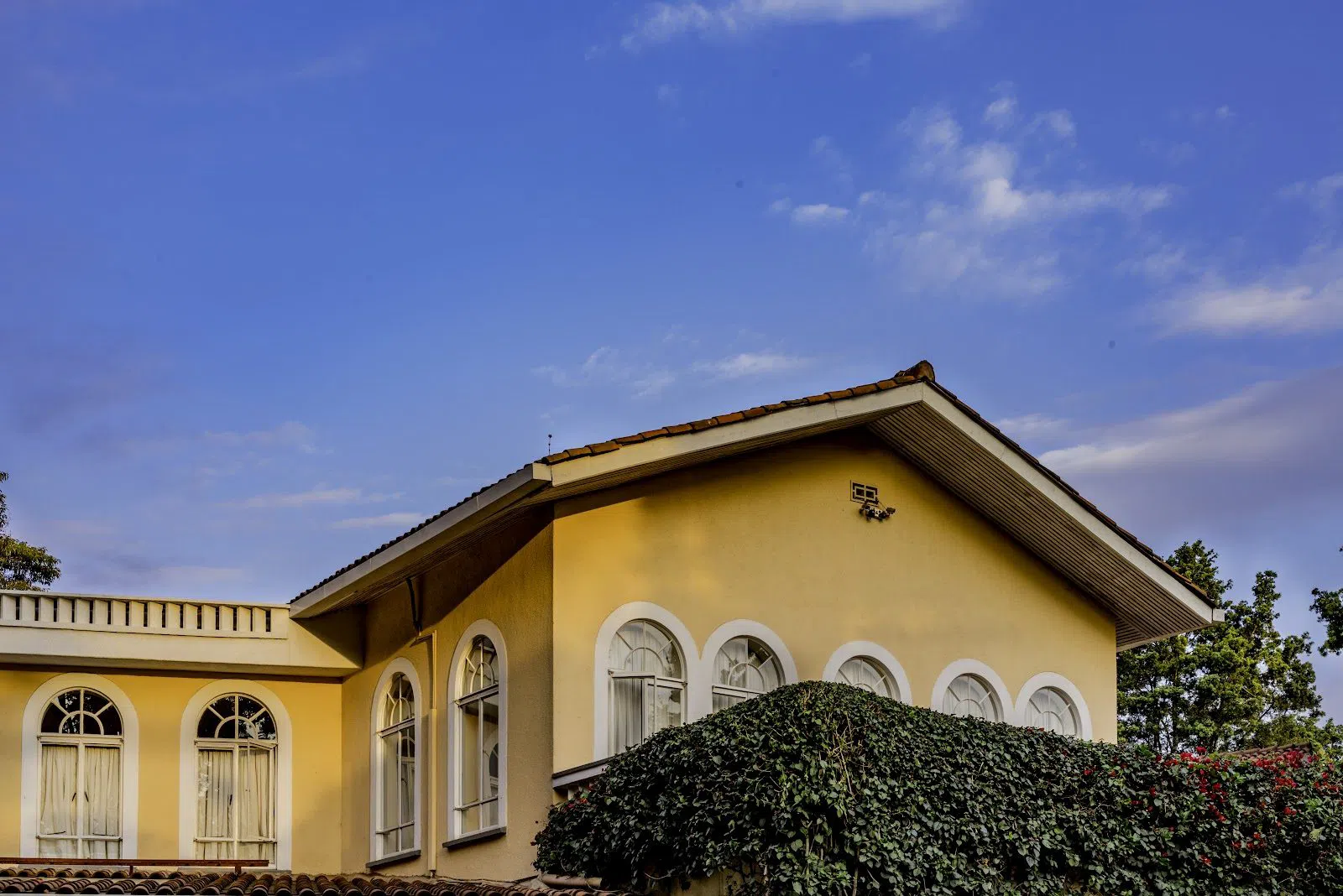
House of Waine (Karen) suits travellers who would rather stay in a house than a hotel: 11 rooms plus a cottage and a 20-seat meeting room, about USD 250 to 380 B&B. It is small enough for a family or a group of friends to buy out entirely, and the scale means the staff learn your name by the second morning, which counts for more on a first trip than another restaurant option does.
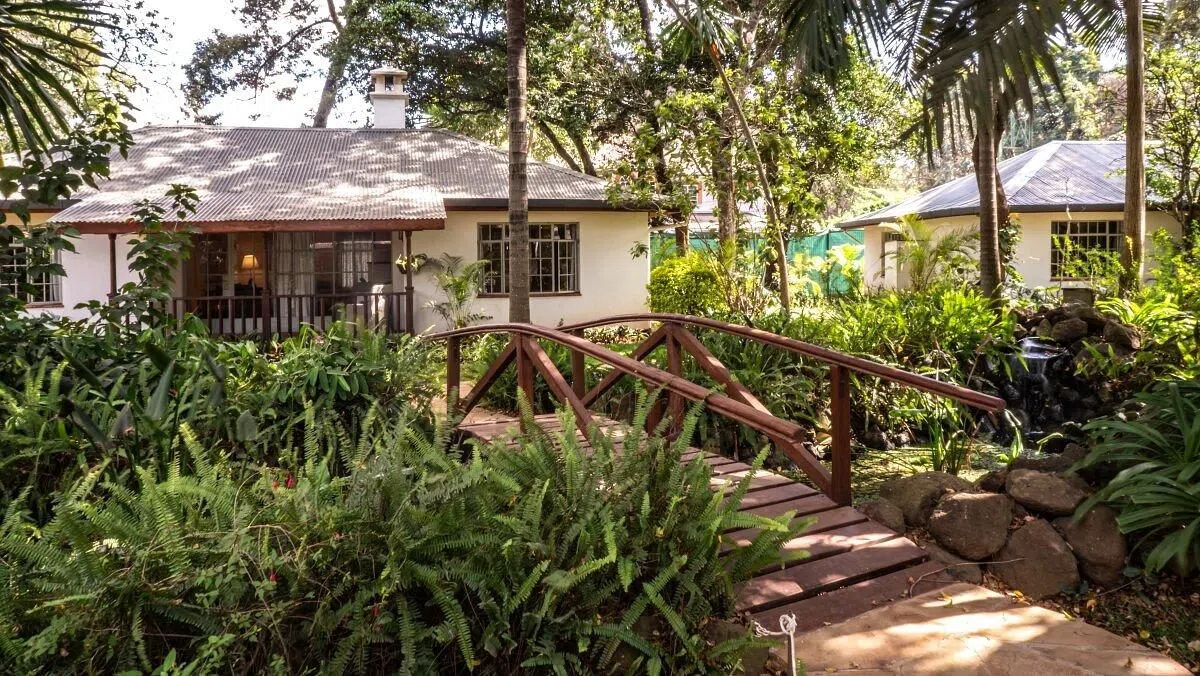
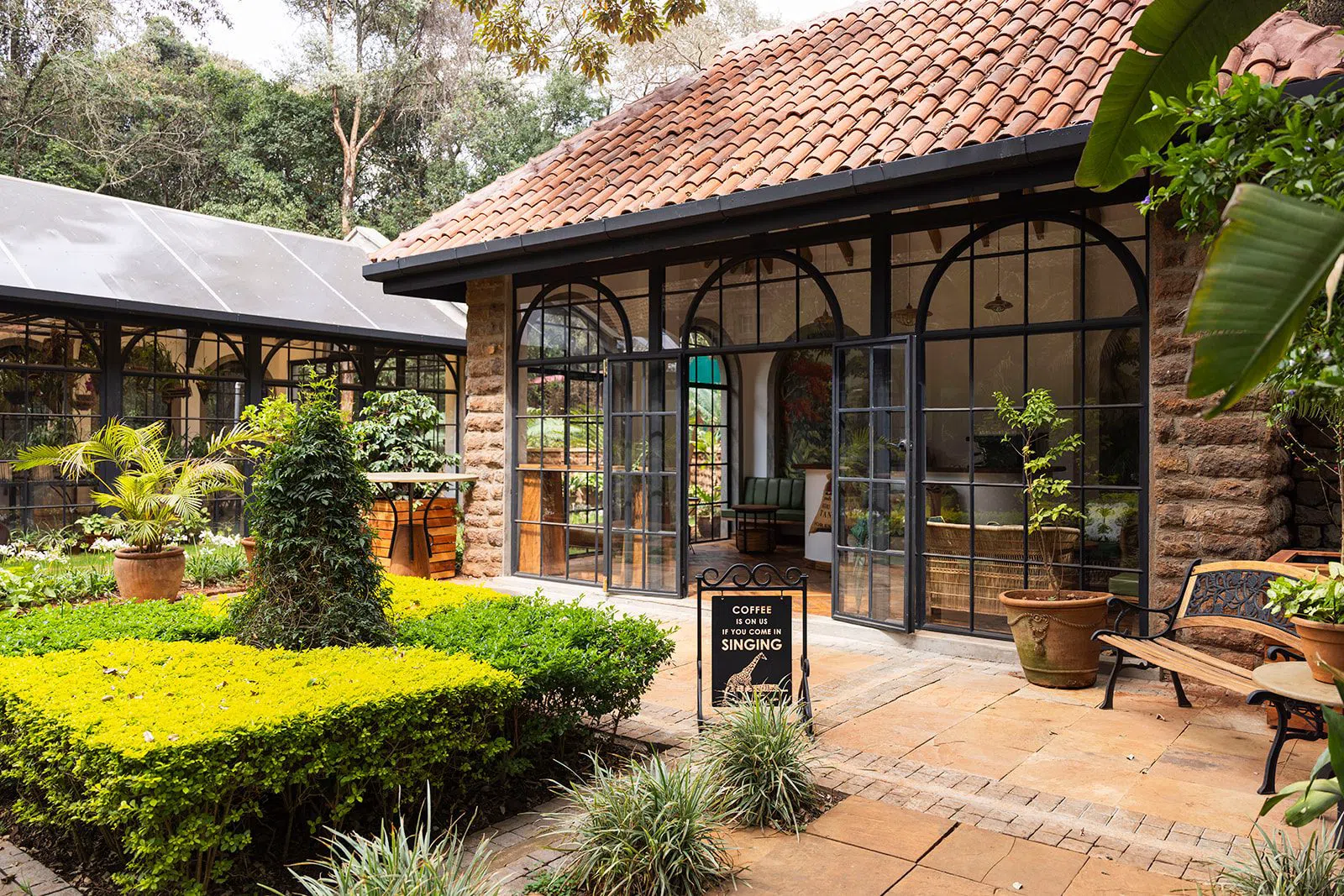
Karen Blixen Coffee Garden & Cottages (Karen) is the most atmospheric mid-price bed in the area: seven cottages holding 13 rooms with flexible configurations and extra beds, and four dining venues on site that make it an easy meeting point for a larger party. Roughly USD 150 to 260 B&B, and about half a mile from the Karen Blixen Museum. The garden restaurant is a destination in its own right, so book a table even if you are sleeping elsewhere, because walk-ins on a weekend are optimistic.
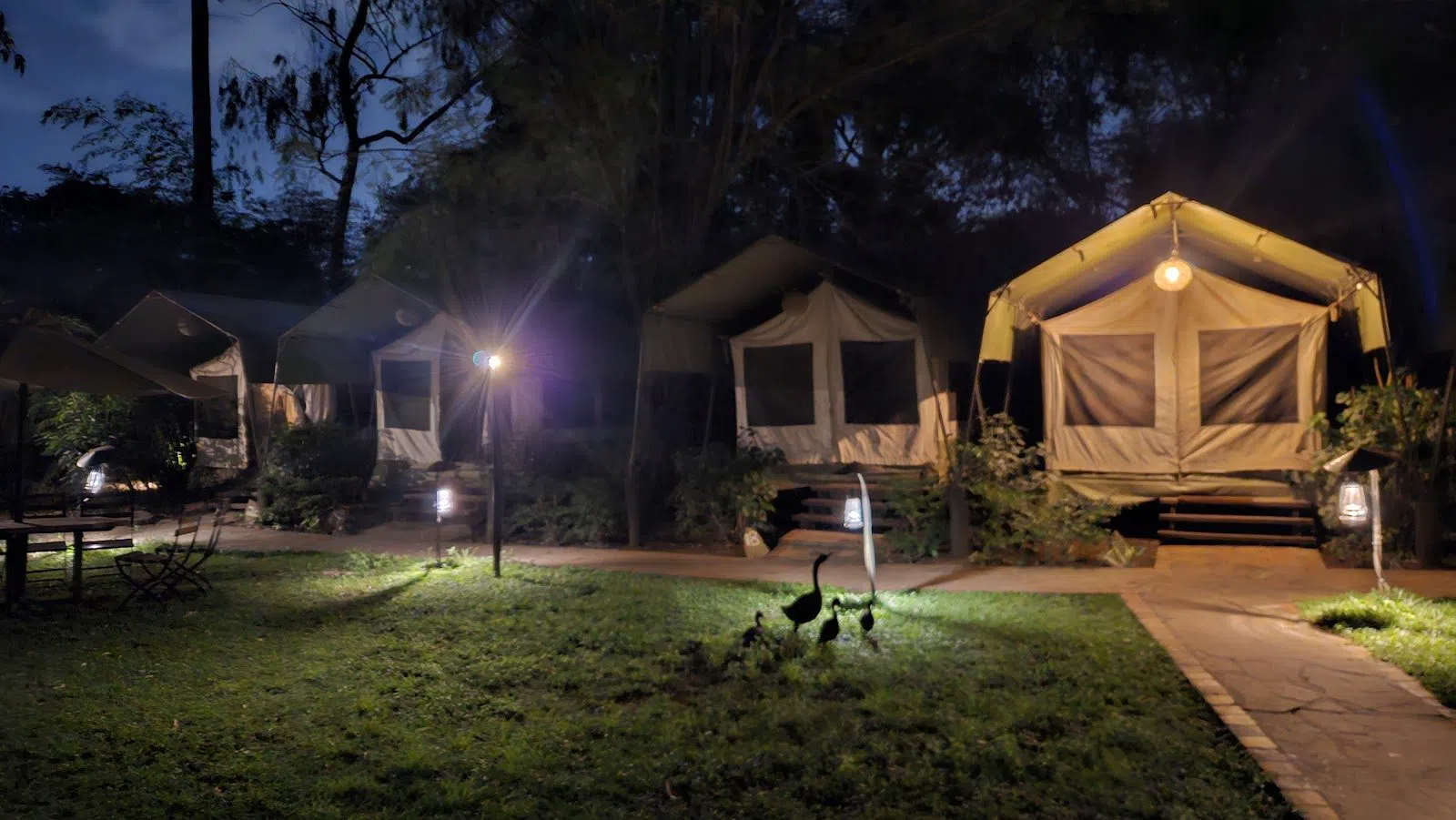
Wildebeest Eco Camp (Lang'ata) is the budget bed that does not feel like a compromise: 19 tents plus dorms, cottage rooms and garden camping, with a shared lounge and bar. Camping starts around USD 7, safari tents from about USD 30 per person, and garden tents and cottages from about USD 70. It is the standard backpacker meeting point before departures to the Mara, close to Sheldrick and the Giraffe Centre, and the easiest place in the city to find people to split a safari with. It is a sociable place by design, so a couple after silence should look at the cottages rather than the tented rows.
Giraffe Manor (Lang'ata) is not really a city base. Ten rooms, from about USD 1,410 per person per night all-inclusive at 2026 rates, with two superior family suites; a group effectively means taking most of the house, and Historic Manor rooms are released to guests who are also booking a Safari Collection camp. Book roughly a year ahead. It is the single most photographed stay in Kenya and worth one night if the budget stretches, but it is a long drive from anything else you plan to do.
Sleeping inside the park
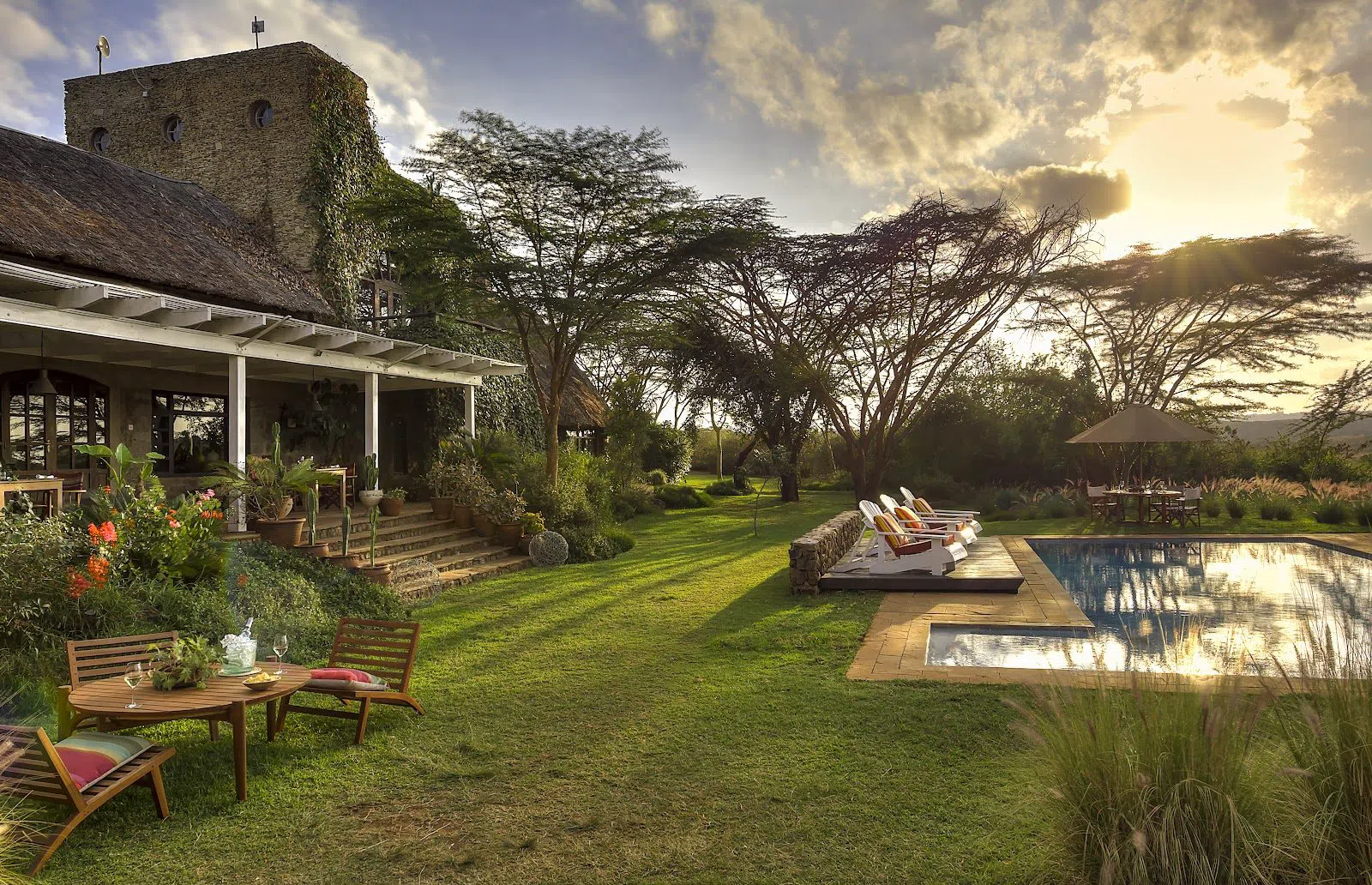
The Emakoko (Nairobi National Park) is the only way to fall asleep inside a national park forty-five minutes from an international airport. Ten safari suites plus an exclusive-use private house with two en-suite bedrooms and its own pool; the villa is the group and family option. It is a luxury tier, and the full-board rate includes drinks, laundry, private airport transfers and game drives, which makes the headline number less alarming than it first looks. Use it as the first or last night of a Kenya trip rather than as a city base, because commuting into town from here defeats the point.
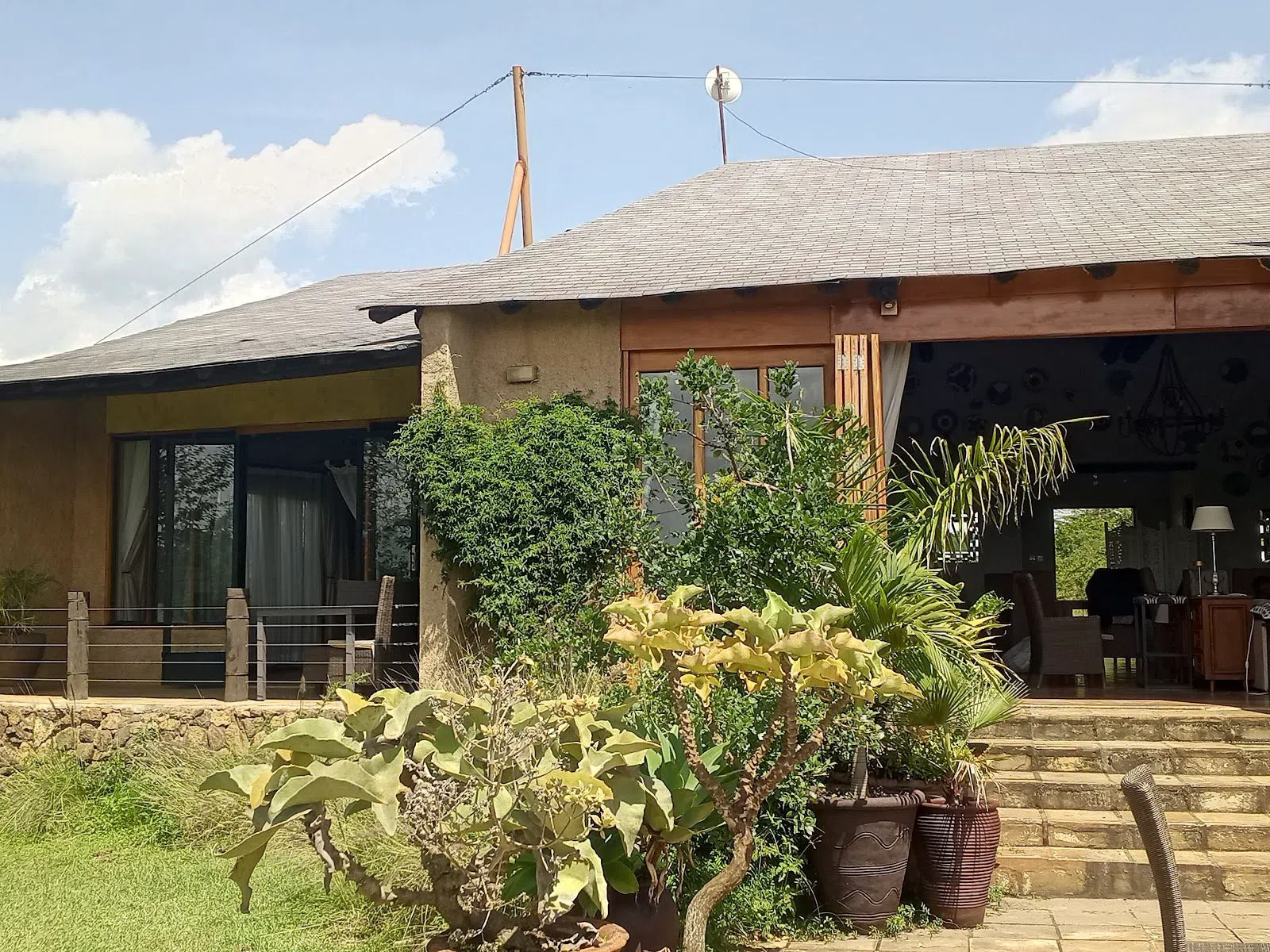
Ololo Safari Lodge & Farm (Nairobi National Park boundary) is the more relaxed version: a working farm with a three-bedroom stable cottage, a dedicated family wing, tented cottages and converted stables. Rates sit upper-mid to luxury and typically include transfers, all meals, house drinks and two park game drives. Wildlife on one side of the river, vegetable beds on the other, and children can collect eggs and ride between drives, which is why families choose it over the alternatives.
Groups, families and what to check before you book
Nairobi hotels do not run door policies in the nightclub sense. The gates you pass through are security screening, standard at every hotel here, and a vehicle check on arrival is normal rather than a signal that something is wrong. Budget two or three minutes for it each time.
What does vary is capacity. If you are four or more, the practical questions are whether a property has kitchens (Mövenpick), rooms that legitimately sleep three (ibis Styles), gardens that absorb a crowd (Sarova Panafric, Fairview), or a buyout option (House of Waine, Ololo's stable cottage, the Emakoko villa). Small houses read beautifully online and then turn out to have eleven rooms, which is either perfect or impossible depending on your numbers.
Couples should read the same list in reverse: the conference floors and event spaces that make a hotel good for groups also mean you may share breakfast with a delegation. Tribe, Hemingways and Karen Blixen Coffee Garden & Cottages skew calmest; The Social House and Mövenpick skew liveliest. To compare live rates and availability across all of these in one place, use the Nairobi hotel search.
Getting around, paying and timing
Do not rent a car on a first trip. Ride-hailing apps work well and are cheap by international standards, with a Westlands-to-CBD run usually a few hundred shillings, and every hotel here will arrange a car and driver by the half-day, which is what most visitors end up using for the Karen circuit. Matatus, the minibuses, are the city's real transit system and are genuinely useful once you know the routes; on day one you will not. Allow an hour from Karen or Lang'ata to Westlands at peak, half that outside it. From JKIA, use the Expressway.
Rooms at this level are quoted and often settled in US dollars, but everyday spending is in Kenyan shillings, and mobile money via M-Pesa is more common than cash for small purchases. Cards are accepted without fuss at every hotel listed here. Carry some shillings for markets, tips and small restaurants; tipping a driver or guide is customary and modest.
The long rains fall roughly March to May and the short rains around late October to December; July and August are cool and often grey, January and February warm and dry. Nairobi is a year-round city rather than a seasonal one, but safari plans downstream of it are not, so book the animal attractions before you arrive. Sheldrick in particular runs on timed slots that fill.
As a rough shape: USD 7 to 70 a night at Wildebeest, USD 70 to 160 for solid three- and four-star rooms in Westlands and Kilimani, USD 110 to 320 across Upper Hill, Lavington, Gigiri and the city centre, USD 250 to 400 at the Norfolk, and USD 450 upward once you reach Hemingways, the park lodges and Giraffe Manor. Add a car and driver, park entry and one or two of the Karen attractions, and a comfortable mid-range day in the city lands well under what the same day costs in most capital cities. The expensive part of Kenya starts after you leave.
Before you go
Which part of Nairobi is best for a first visit?
Westlands is the usual answer: it is the one area where you can walk to coffee, dinner and a mall, and it has the fastest access to the Expressway in both directions. If you want quieter, Lavington and Kilimani sit just south-west of it with less traffic noise, and Gigiri is the calmest of all, at the cost of a committed drive into town every time.
How long does it take to get from the airport to a hotel?
From Jomo Kenyatta International Airport, the Nairobi Expressway runs elevated above the airport highway through Upper Hill and out past Westlands, and it is worth the toll of a few hundred shillings for a car. Reckon on 30 to 45 minutes to Westlands, Upper Hill or the city centre using it, and longer to Karen or Lang'ata, which sit fifteen to twenty kilometres out on the other side of the city.
Should I stay in Karen instead of the city centre?
Stay in Karen or Lang'ata if your days are built around the elephant orphanage at Sheldrick, the Giraffe Centre and the Karen Blixen Museum, all of which are clustered there, or if you are flying out on a light safari aircraft from Wilson Airport. Stay central or in Westlands if you want restaurants and the National Museum without a forty-minute drive each way. Many visitors split the trip between the two.
How far ahead do I need to book Giraffe Manor?
Roughly a year. There are only ten rooms, 2026 rates start around USD 1,410 per person per night all-inclusive, and Historic Manor rooms are released to guests who are also booking a Safari Collection camp. A group essentially means taking most of the house. It is a one-night experience rather than a practical city base, and a long drive from everything else.
Do I need cash in Nairobi, or will cards work?
Cards are accepted without any fuss at every hotel in this guide, and room rates are commonly quoted in US dollars. Everyday spending is in Kenyan shillings, and mobile money via M-Pesa is more widely used than cash for small purchases. Carry some shillings for markets, small restaurants and tips for drivers and guides.